Global Nuclear Expansion, LNG Deals Signal Long-Term Energy Shift
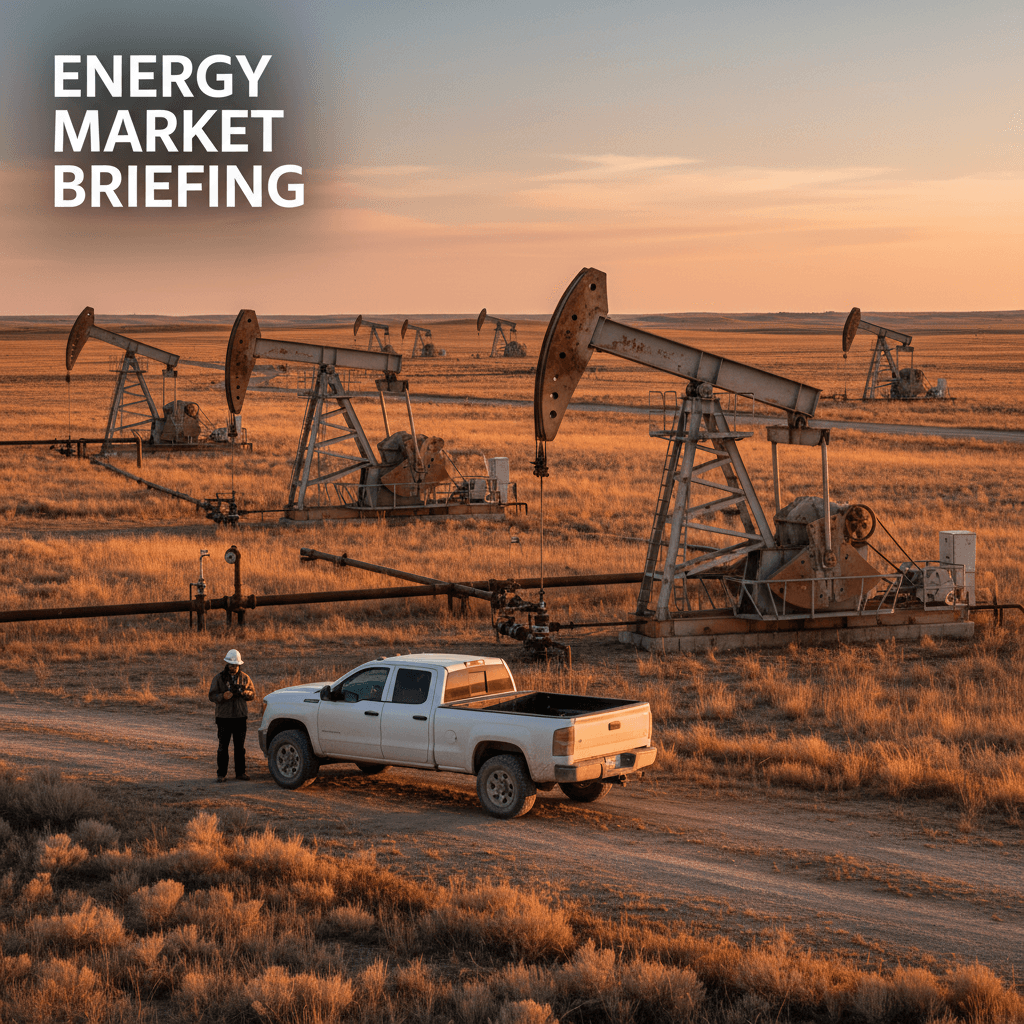
A surge in nuclear power capacity and new LNG supply contracts highlight growing competition for Bakken crude and gas in global energy markets.
The global push for low-carbon baseload power is accelerating, with nuclear capacity projected to jump 44% by 2036, according to a new BloombergNEF report published Wednesday. This long-term structural shift, driven by energy security and AI-driven electricity demand, presents a evolving competitive landscape for fossil fuels from regions like the Bakken.
Global nuclear capacity is forecast to reach 535 gigawatts (GW) by 2036, up from 372 GW at the end of 2025, OilPrice.com reported. China is set to nearly double its capacity to 102 GW, surpassing the United States as the world's largest nuclear power holder. India also aims for a massive expansion, targeting 100 GW of nuclear capacity by 2047 from just 8.8 GW now.
For Bakken operators, this represents a gradual but significant demand headwind for thermal coal and natural gas in power generation abroad, particularly in the key growth markets of Asia. The report notes nuclear power is making a "global comeback" as governments and tech companies seek reliable, low-carbon energy, which could dampen long-term global appetite for gas-fired power and the LNG that supplies it.
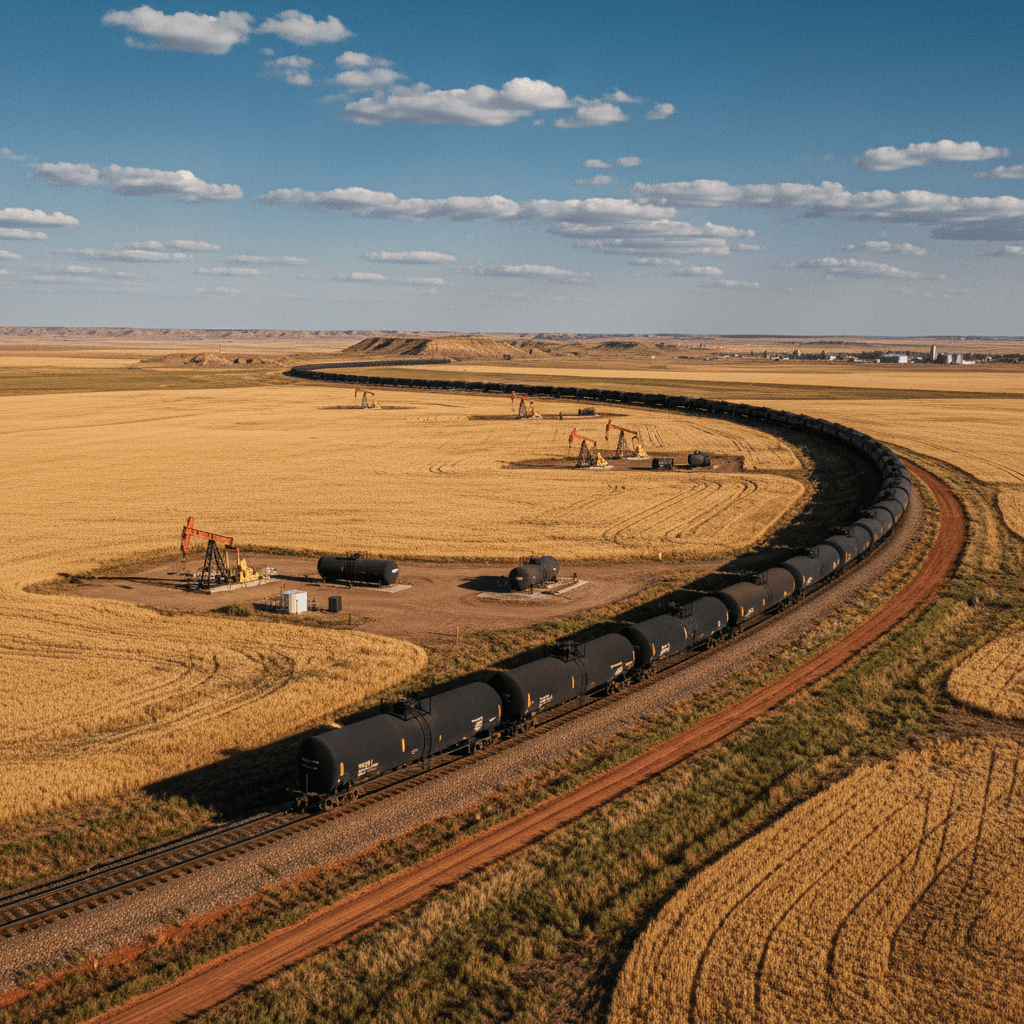
Simultaneously, new liquefied natural gas supply chains are being cemented. In a separate deal, LNG Japan secured its first contract to supply over 30 petajoules of gas from Australia's Scarborough field to utility Alinta Energy, Rigzone reported. This highlights the ongoing development of major LNG export projects worldwide, adding to the global gas supply that competes with U.S. exports, which include gas from associated Bakken production.
The combined trends underscore a global energy landscape increasingly focused on diversification and decarbonization. While oil demand for transport and petrochemicals remains robust, the aggressive build-out of nuclear capacity and LNG supply points to more competition for the energy mix share of natural gas. North Dakota's gas, often a byproduct of oil drilling in the Bakken, faces a future market where baseload power demand may be increasingly met by non-combustion sources.
The direct, near-term impact on Bakken crude production is limited, as oil is not typically used for electricity generation. However, the long-term strategic outlook for associated gas volumes and their marketability is intertwined with these global shifts. The report specifically cites China building solar, wind, coal, and nuclear "with equal enthusiasm," indicating a broad-based energy strategy that could affect all fossil fuel imports over time.
Source
OilPrice.com, Rigzone