Global Oil News Impacts North Dakota's Budget Outlook
State CIO cites price volatility, while UAE export expansion and Texas job growth signal market dynamics.
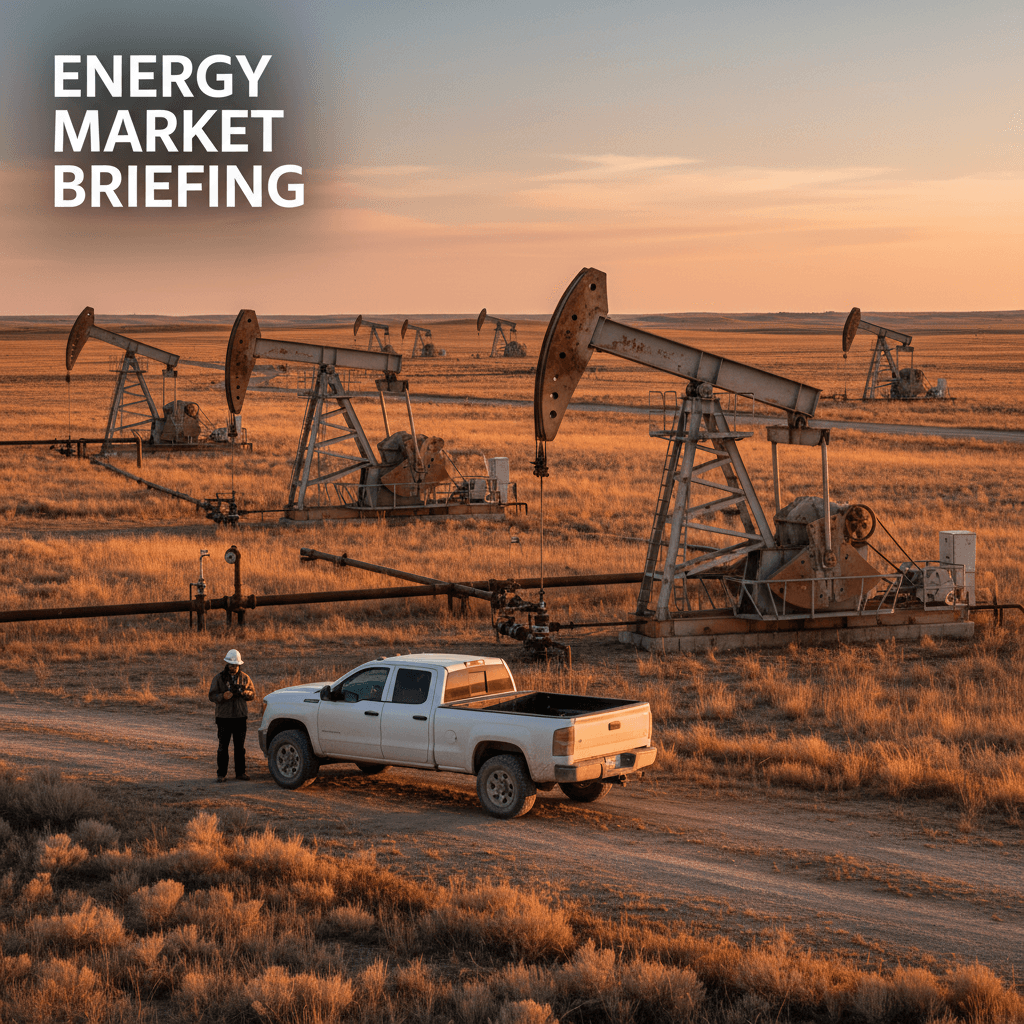
North Dakota's budget planning for 2027 hinges on daily oil price fluctuations, according to state Chief Information Officer Corey Mock. In a statement reported by GovTech on May 15, 2026, Mock said the state's fiscal reality "depends on the price of a barrel of oil." He noted that prices around $50 to $55 a barrel projected a scenario that merely meets expectations, unlike prior years of surplus.
Mock stated that 2027 might be the first time in a while the state must focus on "cost stability, if not in some areas, cost reductions." As an oil-producing commodity state, a big chunk of North Dakota's revenue comes from oil production and extraction. The state's IT agency is evaluating its funding model to incentivize service delivery while providing stability, according to the source.
Globally, a major pipeline expansion could influence market flows. The United Arab Emirates will double its capacity to export crude oil bypassing the Strait of Hormuz by next year, Rigzone reported on May 15, 2026. This development increases the UAE's ability to move crude without relying on the strategic and often tense Hormuz shipping lane.
In a competing U.S. oil basin, employment trends are rising. Texas upstream employment increased in March, according to a separate Rigzone report from May 15, 2026. Texas Independent Producers & Royalty Owners Association President Ed Longanecker said the increase "demonstrates the strength and resilience of our industry."
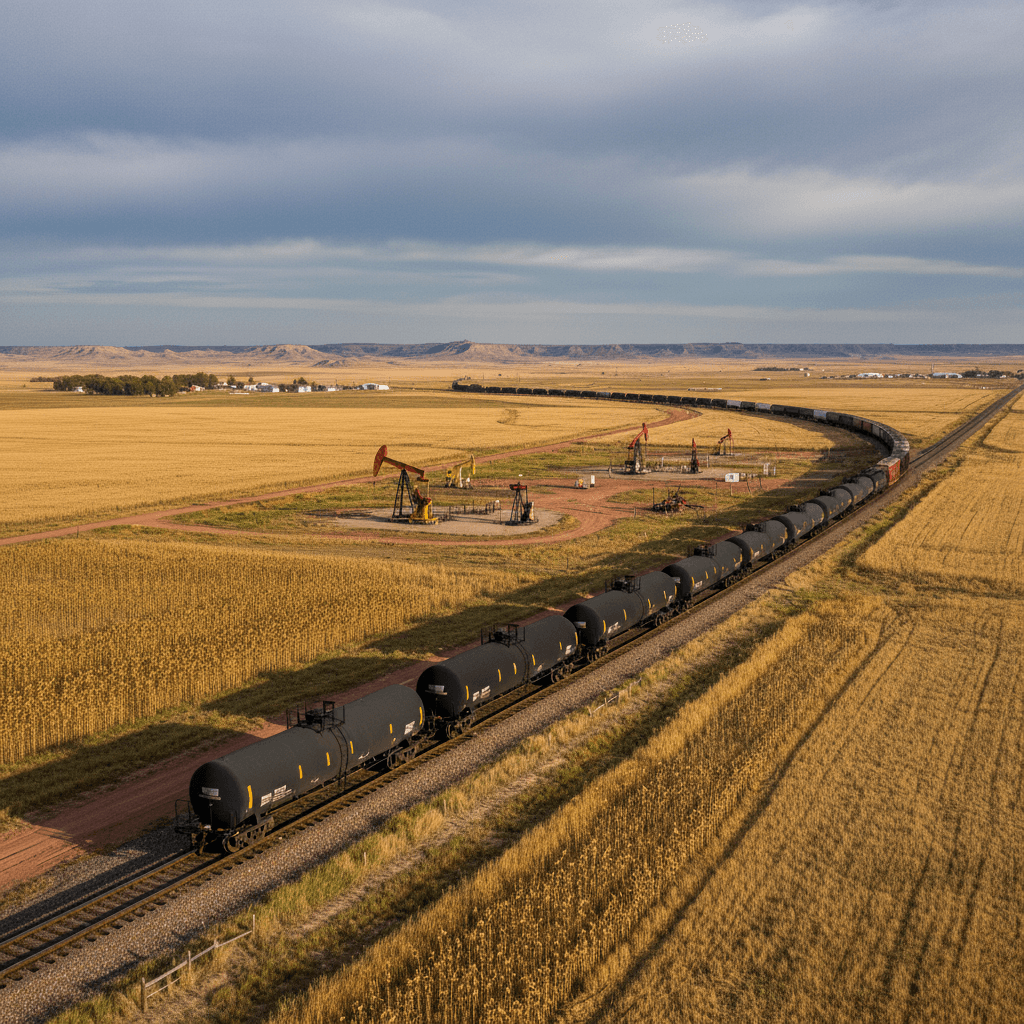
For Bakken operators and royalty owners, these developments underscore the interconnected nature of the global oil market. North Dakota's direct budgetary reliance on commodity prices places local fiscal health in line with international supply changes, like the UAE's export capacity growth, and domestic competition, as seen in Texas's employment gains. The state's approach, as described by CIO Mock, remains conservative as it prepares for a potential period of leveled-off spending after years of growth fueled by oil development.
Source
GovTech, Rigzone