Global Oil Pressure Eases as Cuba Crisis, Total Stake, and Price Dip Emerge
A potential Hormuz truce pushes prices to a six-week low, while European investment and Caribbean turmoil signal shifting global energy flows.
Oil prices settled at a six-week low on Friday as traders bet on the potential reopening of the critical Strait of Hormuz amid ongoing truce negotiations, according to Rigzone. The price decline reflects shifting geopolitical risks that can influence the global market backdrop for Bakken crude.
The energy crisis in Cuba has deepened significantly following U.S. intervention in Venezuela in February, OilPrice.com reported. Cuba, which requires about 100,000 barrels of oil per day, previously relied on Venezuela for fuel imports. That flow stopped after the U.S. action, and subsequent U.S. threats of tariffs against third-party suppliers like Mexico have exacerbated severe blackouts and fuel shortages on the island.
In response to the crisis, the Cuban government is loosening state control to spur private investment in energy diversification. New regulations provide tax exemptions for businesses importing solar panels. A more significant shift came in March with a new law allowing private capital to merge with state companies for the first time, which could open historically closed sectors like mining to outside investment.
Cuban President Miguel Díaz-Canel condemned U.S. sanctions in May as "immoral, illegal, and criminal" after stricter measures were imposed on Cuban officials. This occurred around the time of a visit by CIA director John Ratcliffe, who reiterated a U.S. offer of assistance in exchange for "fundamental changes" to Cuba's political regime.
In European investment news, Czech billionaire Daniel Kretinsky sees potential to increase his stake in energy giant TotalEnergies. Kretinsky, whose investment vehicle currently holds less than 5 percent, stated, "Given that we currently own a stake of less than 5 percent, if we felt the need to further diversify, we could continue increasing our stake in Total," Rigzone reported. This highlights continued strategic positioning within major international oil companies.
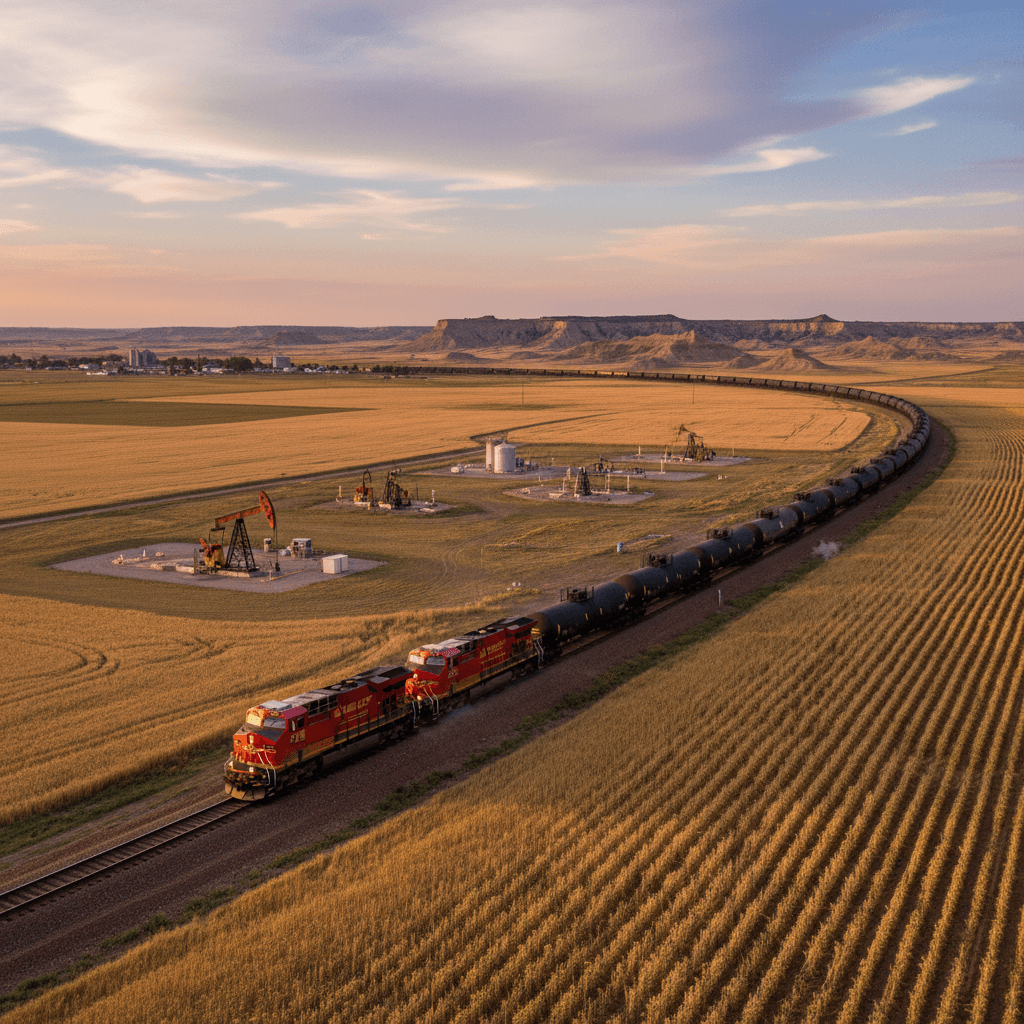
For Bakken operators, these global developments create a mixed signal. The downward pressure on oil prices from a potential Hormuz detente could narrow margins, underscoring the importance of operational efficiency in North Dakota. Meanwhile, the forced energy transition in markets like Cuba, driven by supply blockade, illustrates how geopolitical shocks can rapidly alter a nation's fuel mix and investment landscape. The incremental opening of Cuba's economy, particularly in mining, may eventually present distant opportunities, but remains fraught with political and sanction-related risk.
Source
OilPrice.com, Rigzone