Global Oil Pressures Mount as Prices Hit Six-Week Low, Colombia Election Looms
Brent crude falls on potential supply relief, while an upcoming election in a key producer nation highlights policy risks for global markets.
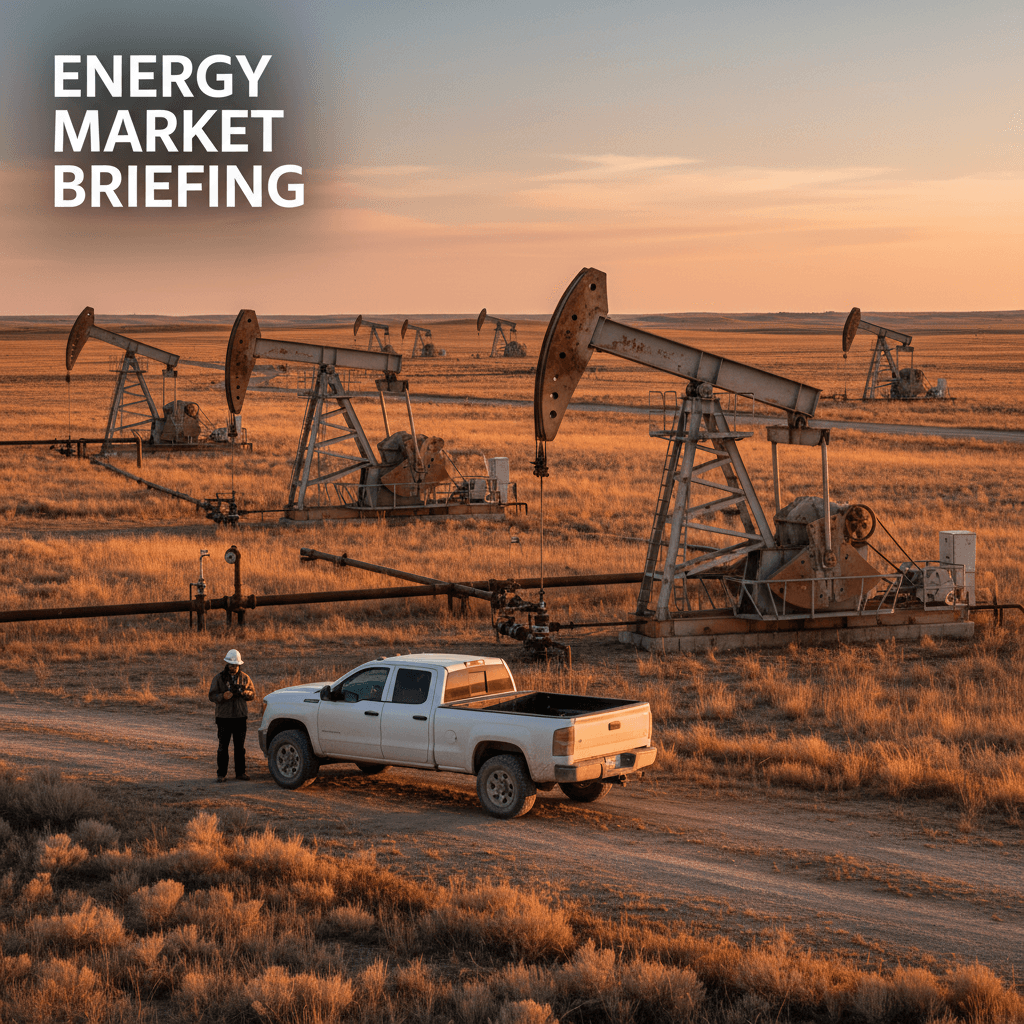
Global oil prices settled at a six-week low on Friday, according to Rigzone, as traders bet on the potential reopening of the critical Strait of Hormuz amid ongoing truce negotiations. The price decline introduces a headwind for Bakken producers who are sensitive to fluctuations in the global benchmark.
The market pressure coincides with significant political uncertainty in major oil-producing regions. Colombia’s approaching 2026 presidential election is generating considerable concern about the future of its oil industry, OilPrice.com reported. The country's hydrocarbon output has sharply declined under current President Gustavo Petro, who banned new exploration contracts, hiked taxes, and attempted to prohibit hydraulic fracturing.
Data from Colombia’s National Hydrocarbon Agency (ANH) shows oil production in March 2026 was 740,497 barrels per day, well below the 917,210 barrels per day produced a decade earlier. Natural gas output of 700 million cubic feet per day is at its lowest levels in decades, forcing the country to rely on imports for over a fifth of its consumption. The sector's decline, which earned $12.5 billion in 2025, is impacting a fiscally fragile economy.
The election outcome could either prolong this decline or reverse it. Ivan Cepeda, the continuation candidate for Petro's Pacto Historico, stated at an April 2026 rally that Colombia requires a policy "that diversifies the economy and avoids dependence on hydrocarbons," while promising a gradual transition. The industry hopes a new president will deliver a more sustainable energy policy to revive the economically vital sector.
Separately, European energy investor Daniel Kretinsky signaled potential for increased market consolidation. According to Rigzone, Kretinsky stated, "Given that we currently own a stake of less than 5 percent, if we felt the need to further diversify, we could continue increasing our stake in TotalEnergies." Such moves by major investors can signal long-term confidence or strategic positioning within the integrated oil sector.
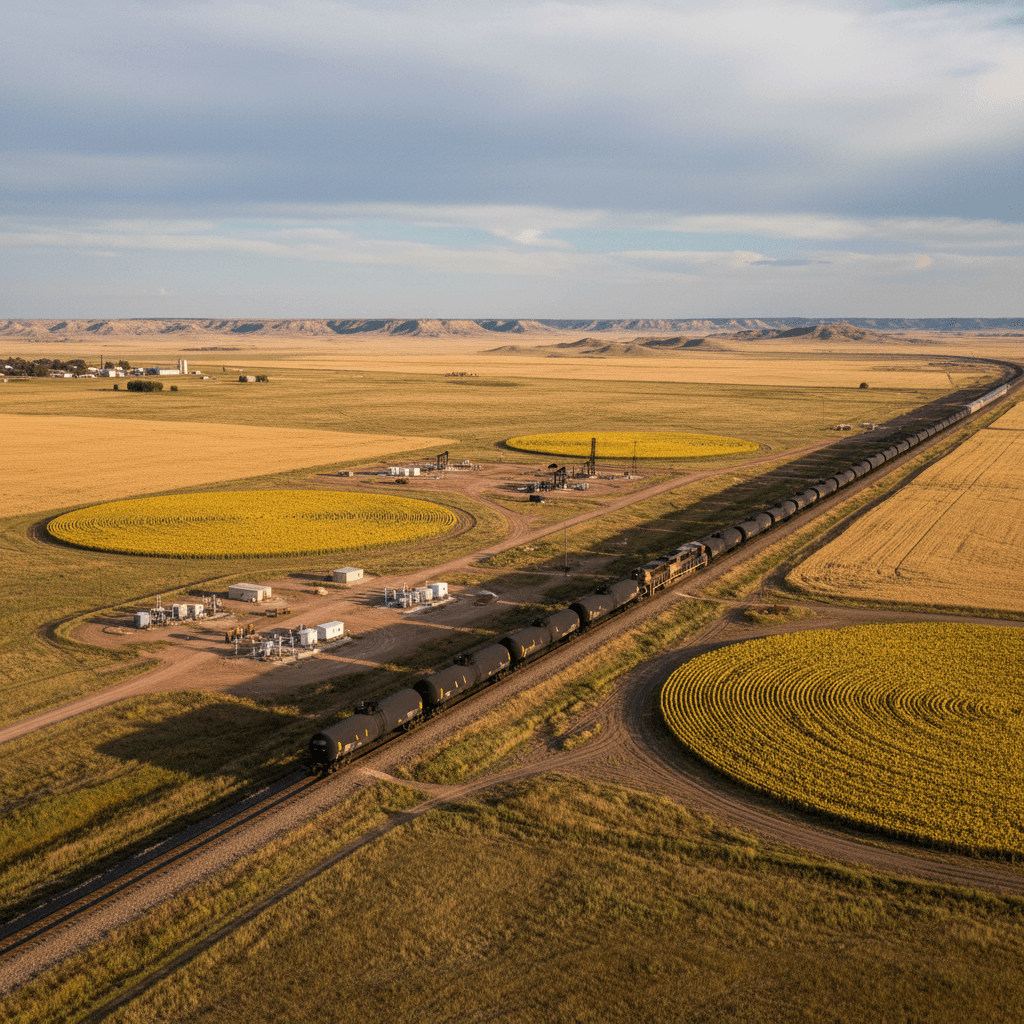
For North Dakota operators, these global developments underscore the interconnected nature of oil markets. A sustained price downturn directly impacts Bakken drilling economics. Furthermore, the potential for a policy-driven supply crunch from traditional producers like Colombia could introduce volatility, affecting long-term price forecasts and investment decisions in the Williston Basin. The focus for local firms remains on managing costs amid external pressures from both geopolitical events and broader market sentiment.
Source
OilPrice.com, Rigzone