Global Oil Price Surges on Strait of Hormuz Tensions
Bakken crude prices expected to follow broader market upward as U.S.-Iran strikes threaten key shipping lane.
Oil prices jumped sharply on Monday following a fresh exchange of military strikes between the United States and Iran, according to reports from Rigzone. The overnight strikes renewed immediate concerns over the safe passage of oil and other commodities through the critical Strait of Hormuz, according to Saxo Bank via Rigzone.
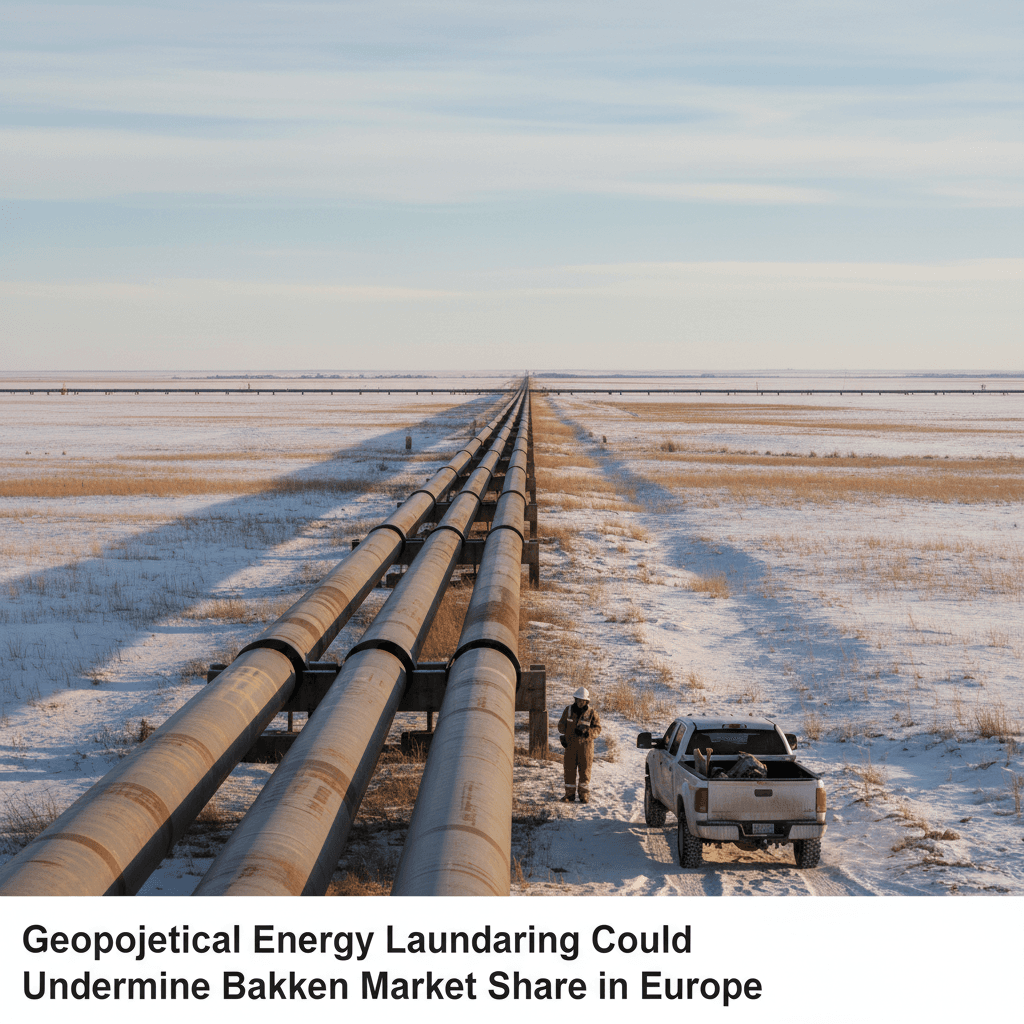
The Strait of Hormuz is a narrow waterway through which a significant portion of the world's seaborne oil passes. Any disruption to traffic there typically causes a swift increase in global benchmark crude prices, which directly impacts the price Bakken operators receive for their crude. Higher oil prices can improve margins for Bakken producers and increase royalty payments to North Dakota mineral owners, though they also raise the cost of services and equipment.
In other industry news, French energy major TotalEnergies is selling its small-scale solar assets in Europe, Rigzone reported on July 12. The company stated the sale is part of an effort to refocus its renewable development on large utility-scale solar and wind farms to benefit from economies of scale. While not a direct Bakken operator, TotalEnergies' strategic shift underscores a broader industry trend where energy giants are prioritizing large-scale, efficient projects, a principle that also applies to oil and gas development in regions like the Williston Basin.
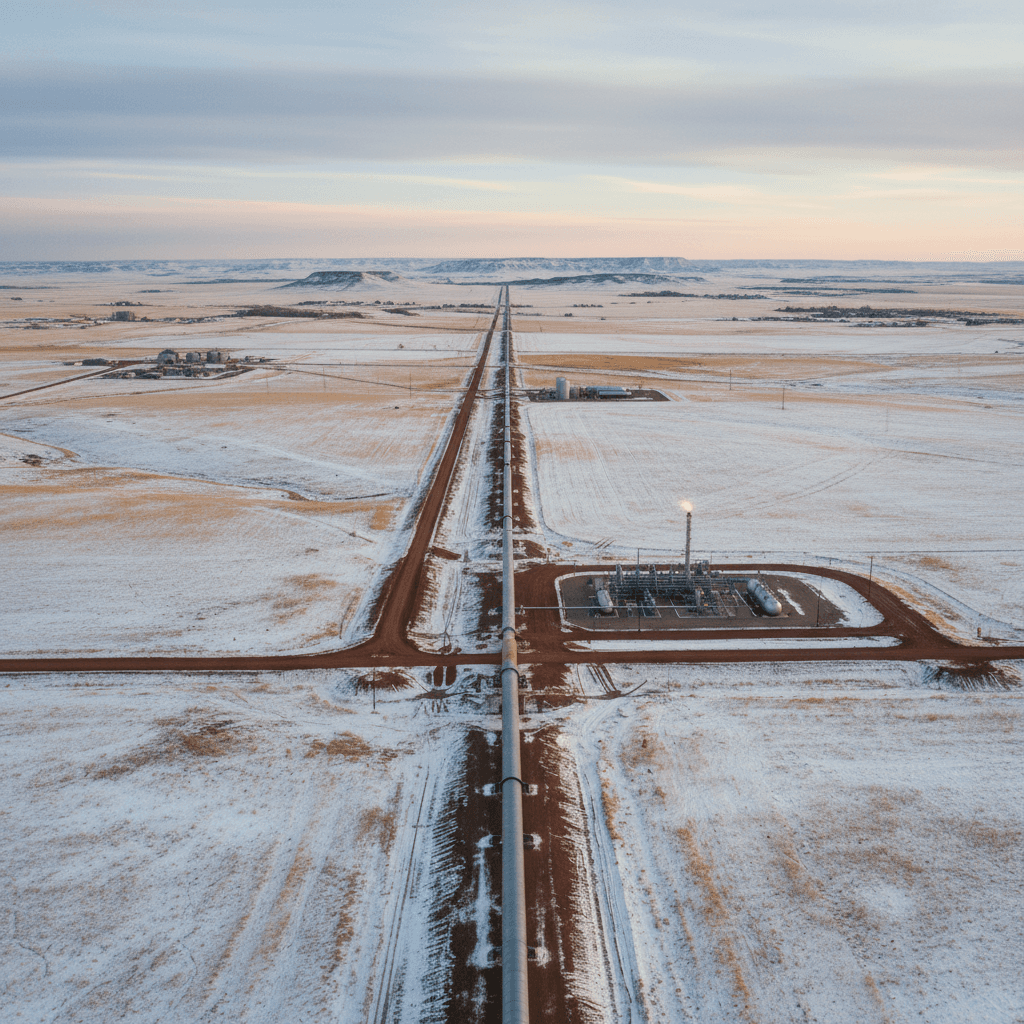
For Bakken operators, the primary focus remains the volatile geopolitical landscape. The sudden price increase driven by Middle East tensions highlights the basin's exposure to global supply risks. The price movement will be closely watched as it translates to wellhead economics in North Dakota.
Source
According to Rigzone reports from July 13, 2026, and July 12, 2026.