Global Tensions, SPR Status Highlight Need for Secure Supply
Bakken crude's pipeline access to U.S. markets gains strategic importance as global chokepoints face disruption and stockpiles are drawn down.
Oil prices surged on Monday after a reported escalation in the battle for control of the Strait of Hormuz, a critical global oil transit chokepoint. According to Saxo Bank, fresh strikes by U.S. and Iranian forces renewed concerns about the safe passage of oil through the narrow waterway, Rigzone reported. Such geopolitical disruptions underscore the value of secure domestic supply chains, including those from the Bakken formation.
The instability comes as the U.S. Strategic Petroleum Reserve (SPR) remains at historically low levels. Rigzone reported the SPR is 56 percent empty, or conversely, just 44 percent full, as of July 13. The drawn-down state of the national stockpile reduces a key buffer against supply shocks, potentially increasing the market's reliance on steady production from domestic basins like the Bakken.
In a parallel move highlighting global concern over supply security, South Africa plans to increase its strategic oil reserves for the first time since the apartheid era, Rigzone separately reported. This indicates a broader trend of nations seeking to bolster energy security in an uncertain geopolitical climate.
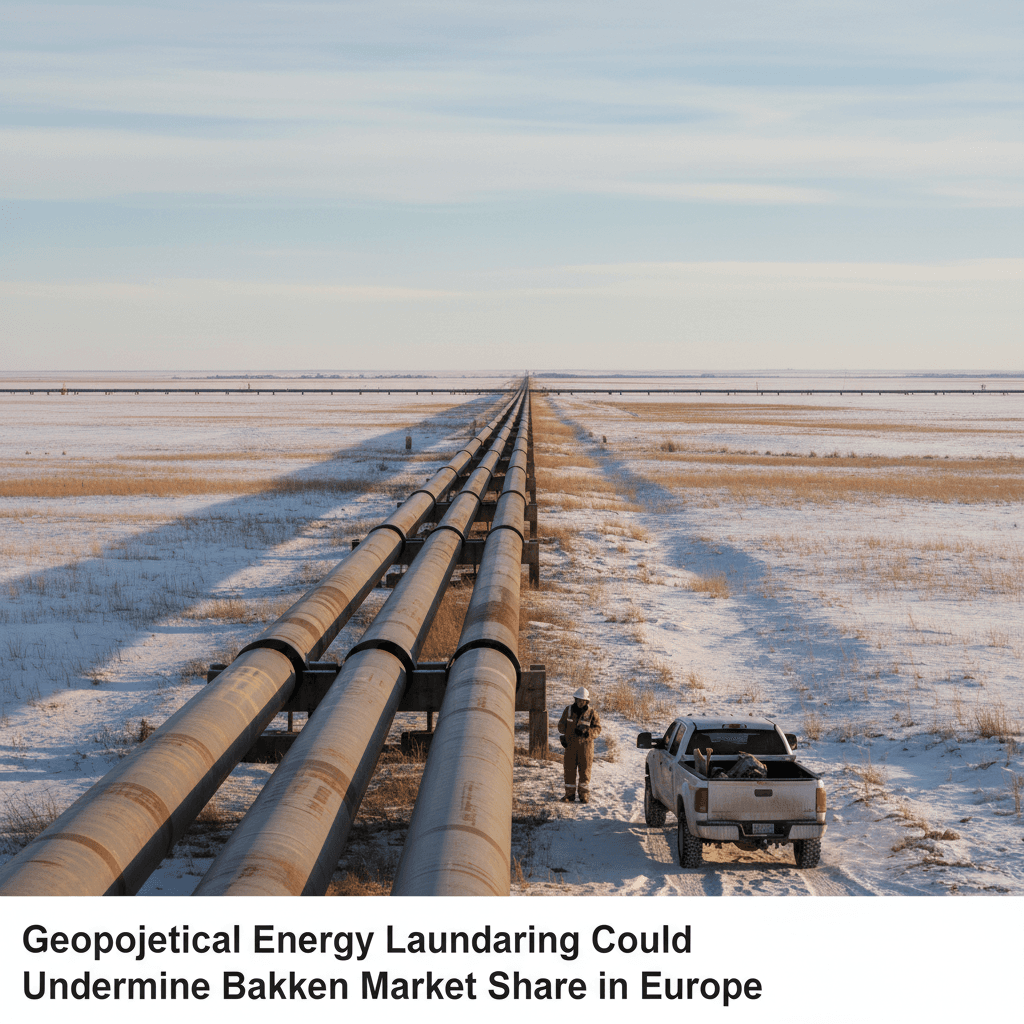
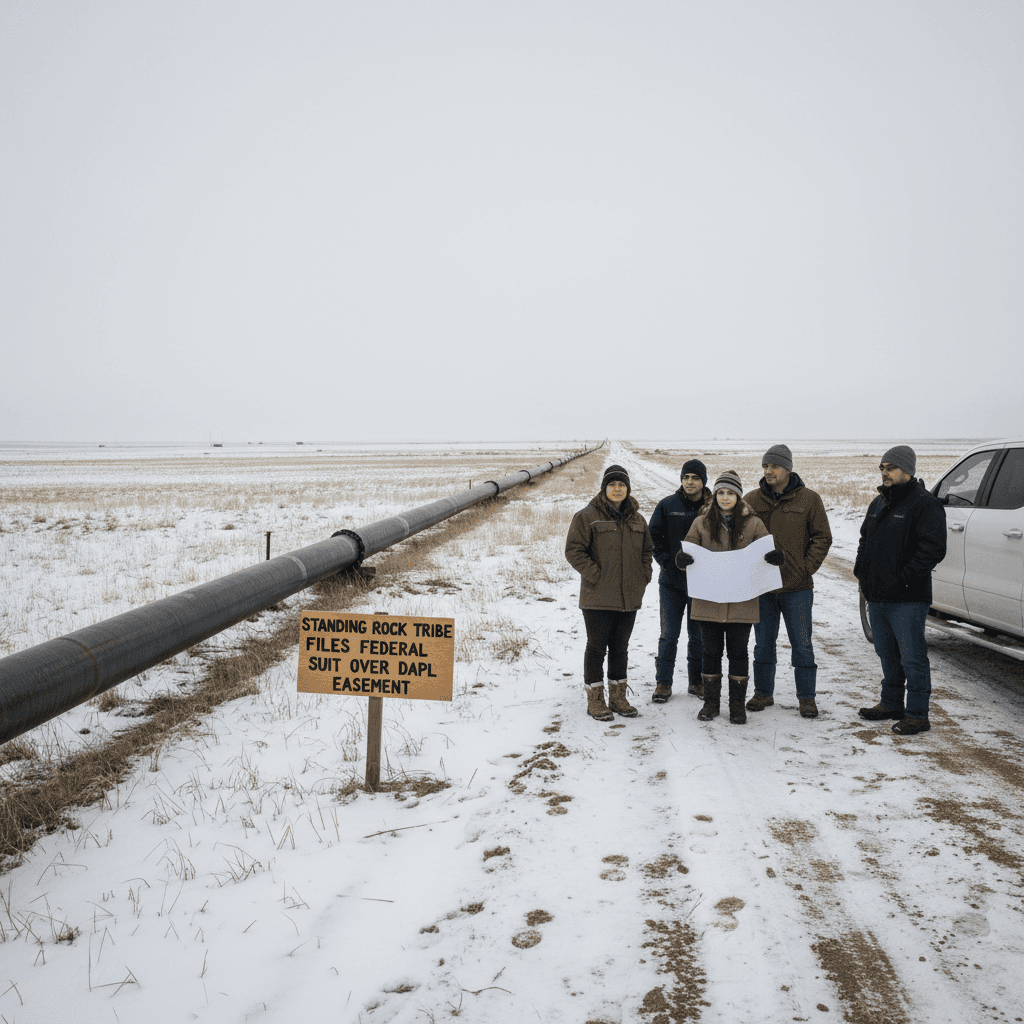
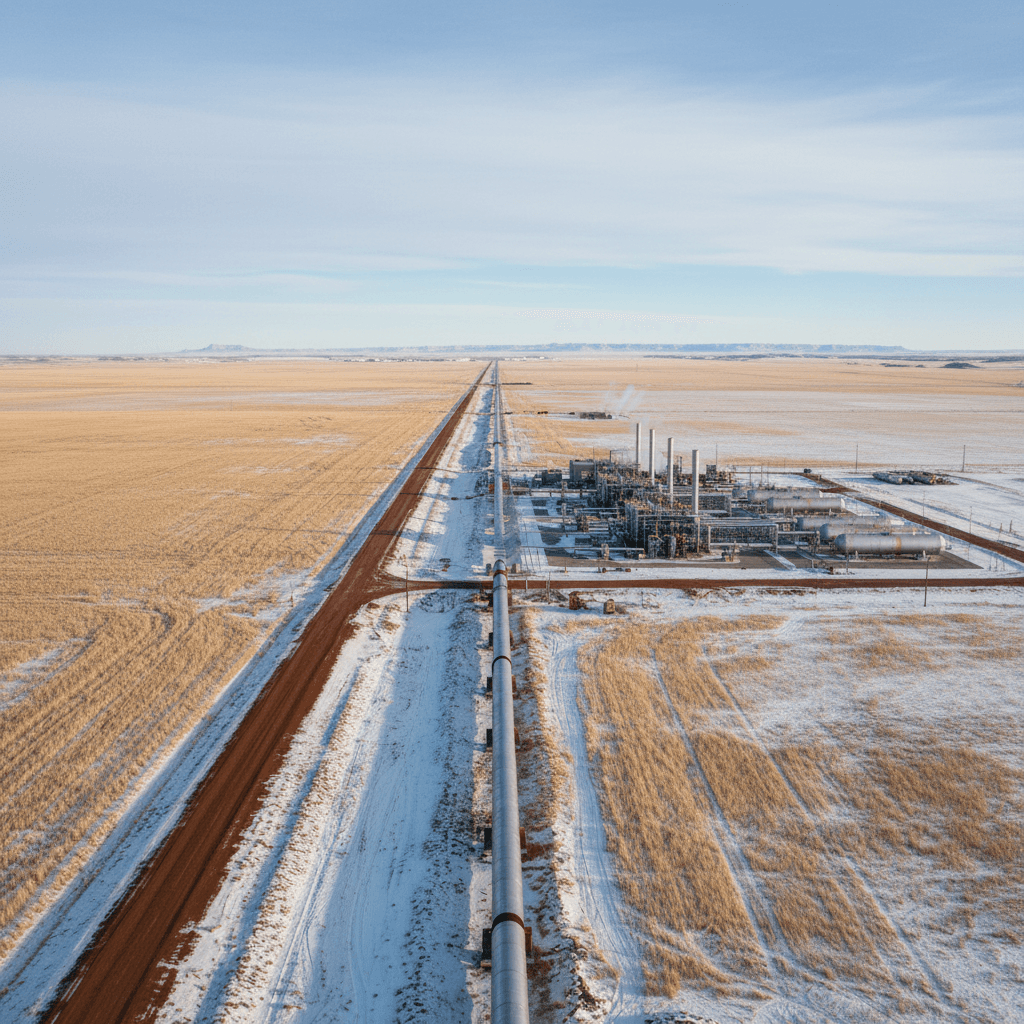
For Bakken operators and North Dakota royalty owners, these developments reinforce the strategic importance of the region's crude and its pipeline infrastructure. While the headlines do not specify direct local impacts, sustained global volatility and low national stockpiles generally support the case for reliable domestic production. Bakken crude, largely transported via pipeline to U.S. refineries, is insulated from seaborne transit risks like those in the Strait of Hormuz. Market tensions can improve netbacks for inland crudes, though specific price movements for Bakken blends were not detailed in the sources.
Source
Rigzone (July 13, 2026)