Global Oil Surges on Hormuz Blockade; U.S. Natural Gas Glut Persists
Geopolitical tensions boost crude prices while oversupply weighs on gas markets, creating a split outlook for Bakken operators.
Global oil prices surged to multi-year highs on Tuesday as a blockade of the Strait of Hormuz tightened worldwide supply, according to Rigzone. The critical shipping chokepoint has been impacted by the ongoing Iran conflict.
On Wednesday, former President Donald Trump insisted a nuclear deal must be reached before the blockade is lifted, Rigzone reported. "The blockade is somewhat more effective than the bombing," Trump was quoted as saying. The geopolitical instability continues to underpin crude markets.
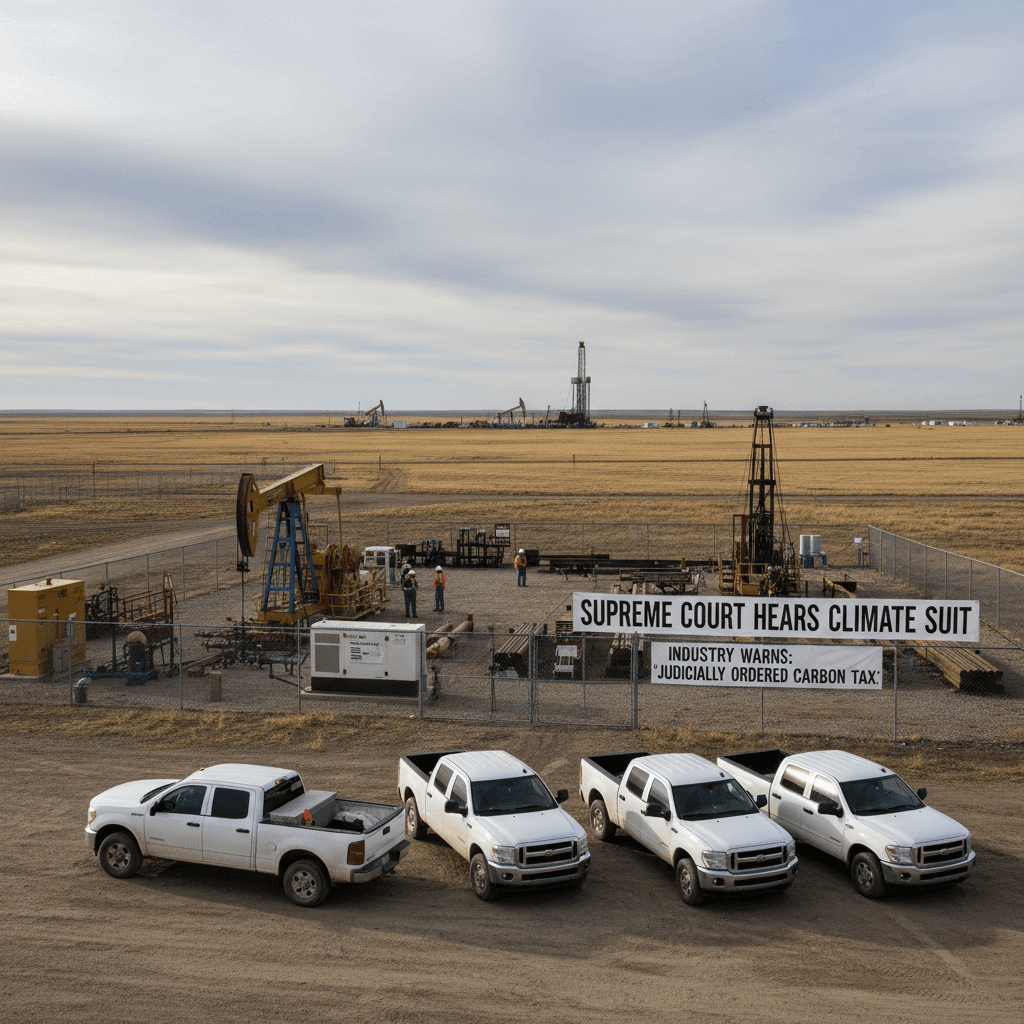
Meanwhile, the domestic natural gas market presents a stark contrast. The United States has more natural gas than it can use, Rigzone reported Tuesday. In the heart of U.S. shale country, which includes the Bakken formation, gas is so plentiful that producers are facing negative pricing, having to pay buyers to take it.
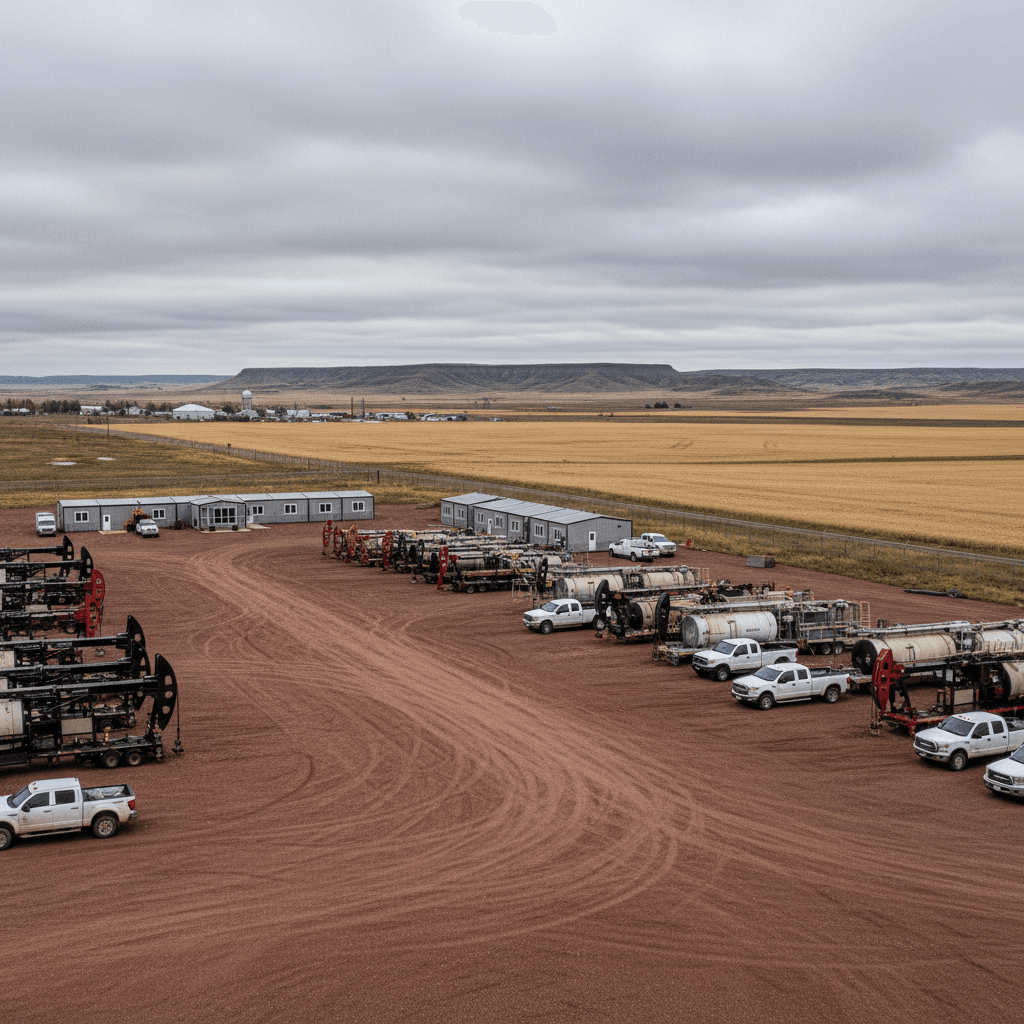
For Bakken operators, the news creates a dual reality. The surge in oil prices, if sustained, could improve margins and cash flow for crude-focused producers in the region. The Williston Basin is a major oil-producing area, and higher crude prices directly benefit its economics.
Conversely, the severe oversupply in the natural gas market poses a significant challenge. Bakken wells produce associated natural gas alongside crude oil. The reported glut and negative pricing put pressure on operators' profitability and complicate the economics of drilling new wells. It also highlights the continued need for pipeline and processing infrastructure to move gas to more favorable markets.
The divergence underscores how Bakken producers are caught between powerful global forces and local market constraints. While geopolitical risk drives the value of their primary product higher, a domestic supply boom erodes the value of a necessary byproduct.
Source
Rigzone (April 29-30, 2026)