Global Risks, Gold Boom Impact Bakken Outlook as ND Oil Hits Premium
Red Sea disruptions threaten global oil flows while a Central Asian gold surge and a rare local pricing anomaly underscore volatile commodity markets.
Saudi Arabia's critical Red Sea export route is facing a sustained blockade, creating a new bottleneck for global oil flows that could impact market stability. According to OilPrice.com, Houthi actions have made the Bab El Mandeb strait inaccessible, forcing Saudi cargoes loaded at the Yanbu terminal on the Red Sea to seek lengthy alternate routes. While crude can still move north through the Suez Canal, volumes destined for Asia—the primary market for Saudi oil—must travel around the Cape of Good Hope, creating one of the world's longest energy transport routes. This logistical challenge, stemming from the Iran war and Hormuz crisis, exposes a key vulnerability in global supply chains despite Saudi Arabia's use of its 7-million-barrel-per-day East-West Pipeline as a workaround.
Meanwhile, a surge in gold prices to around $4,000 an ounce is transforming economies in Central Asia, a shift with indirect implications for commodity-dependent regions like the Bakken. OilPrice.com reports that gold now accounts for roughly 30% of Uzbekistan's record $33 billion in exports and is a top export for Kazakhstan, Kyrgyzstan, and Tajikistan. The price boom has boosted state reserves, fueled government spending, and raised wages for miners, but economists warn it also creates a risky dependence on a single commodity, drawing parallels to the cotton-driven economies of the 1990s.
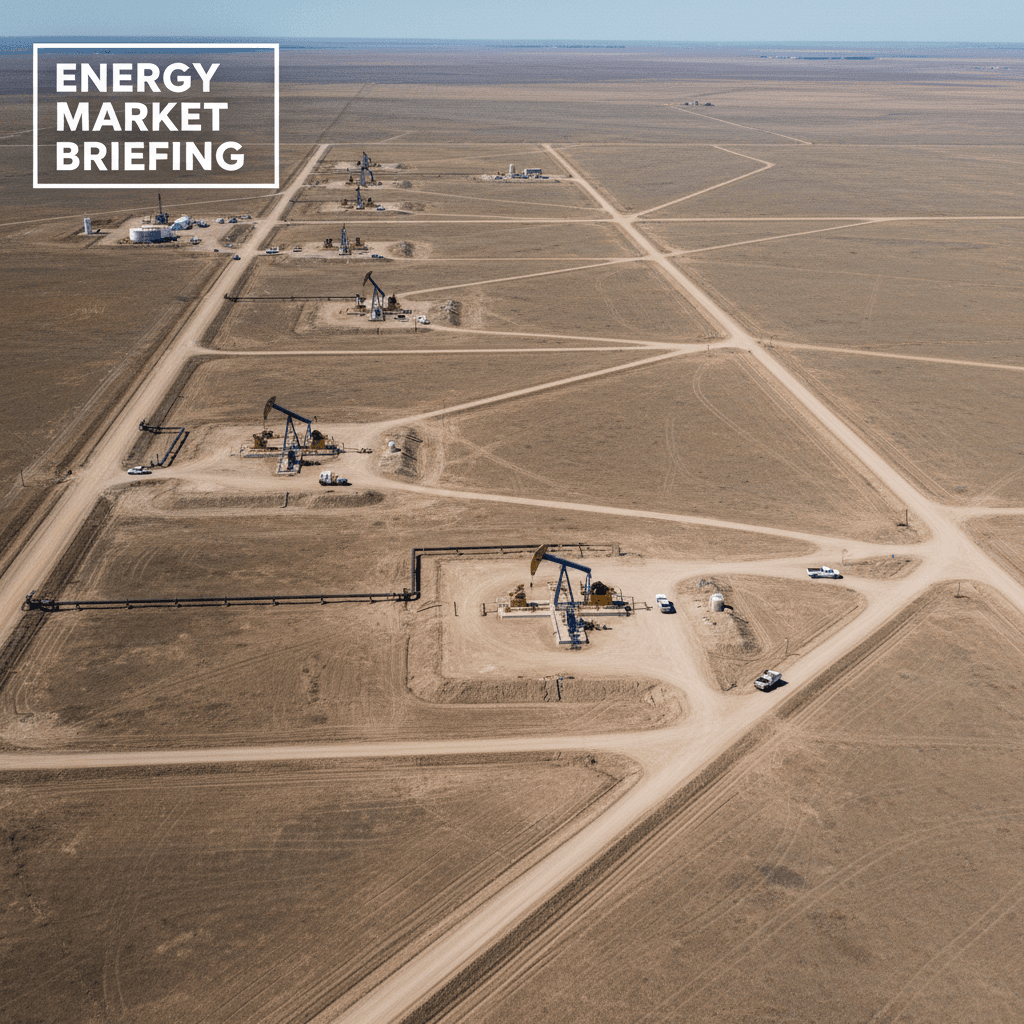
For North Dakota operators, global energy volatility intersects with a rare local pricing event. According to Bing News, North Dakota oil fetched a high premium in May for the first time in roughly 40 years. This pricing anomaly resulted in an estimated $29 million in additional oil tax revenue for the state that month, providing a direct, positive fiscal impact from favorable market conditions.
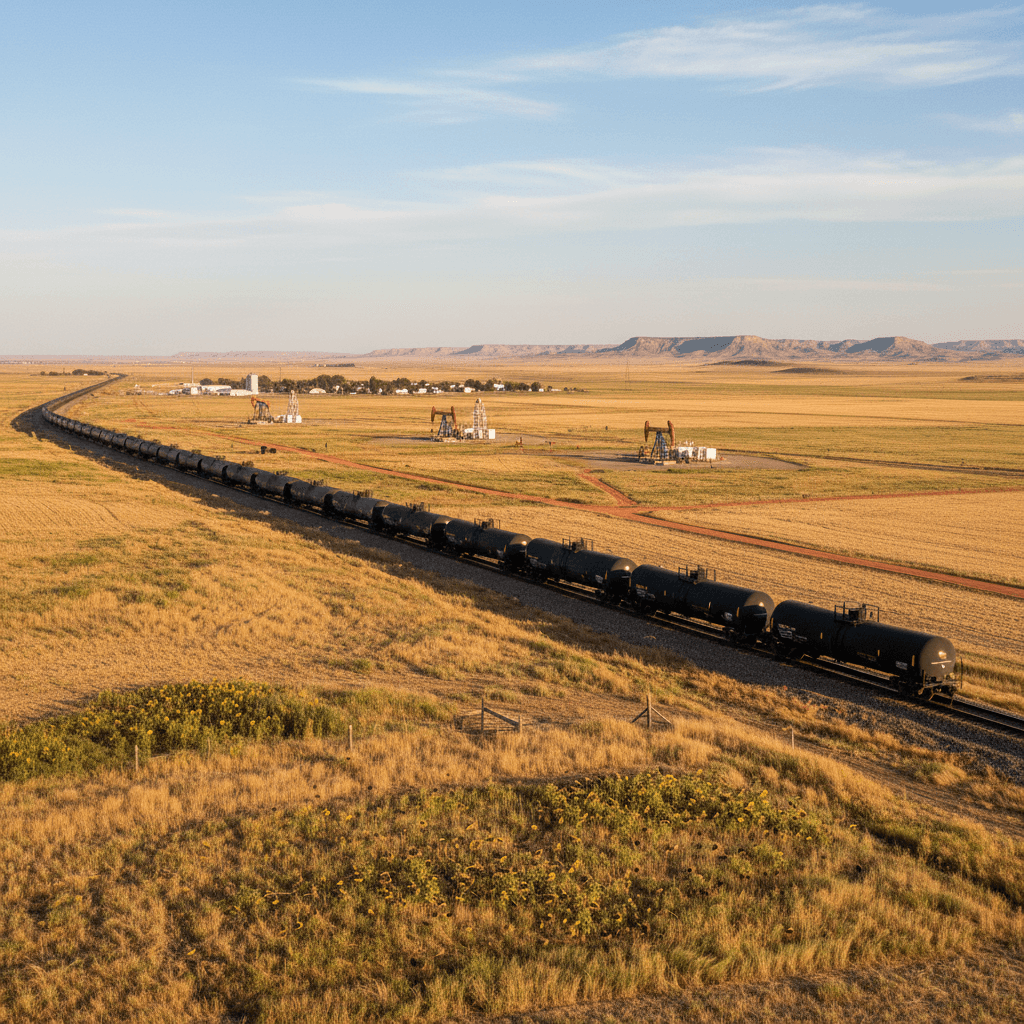
The confluence of these events highlights the interconnected nature of commodity markets. A major disruption in Middle Eastern oil exports can tighten global supply, potentially supporting prices for Bakken crude. Simultaneously, the gold boom demonstrates how a spike in one resource can reshape regional economies, underscoring the broader fiscal importance of North Dakota's oil sector. The state's recent premium serves as a reminder that local production can benefit from broader market dislocations, even as operators monitor geopolitical risks that could alter trade flows and costs worldwide.
Source
OilPrice.com, Bing News