Global Risks Keep LNG Demand High as Shell Loses Court Fight
Rystad analysis says strong El Niño unlikely to ease Europe's winter LNG needs, while Middle East tensions support oil prices.
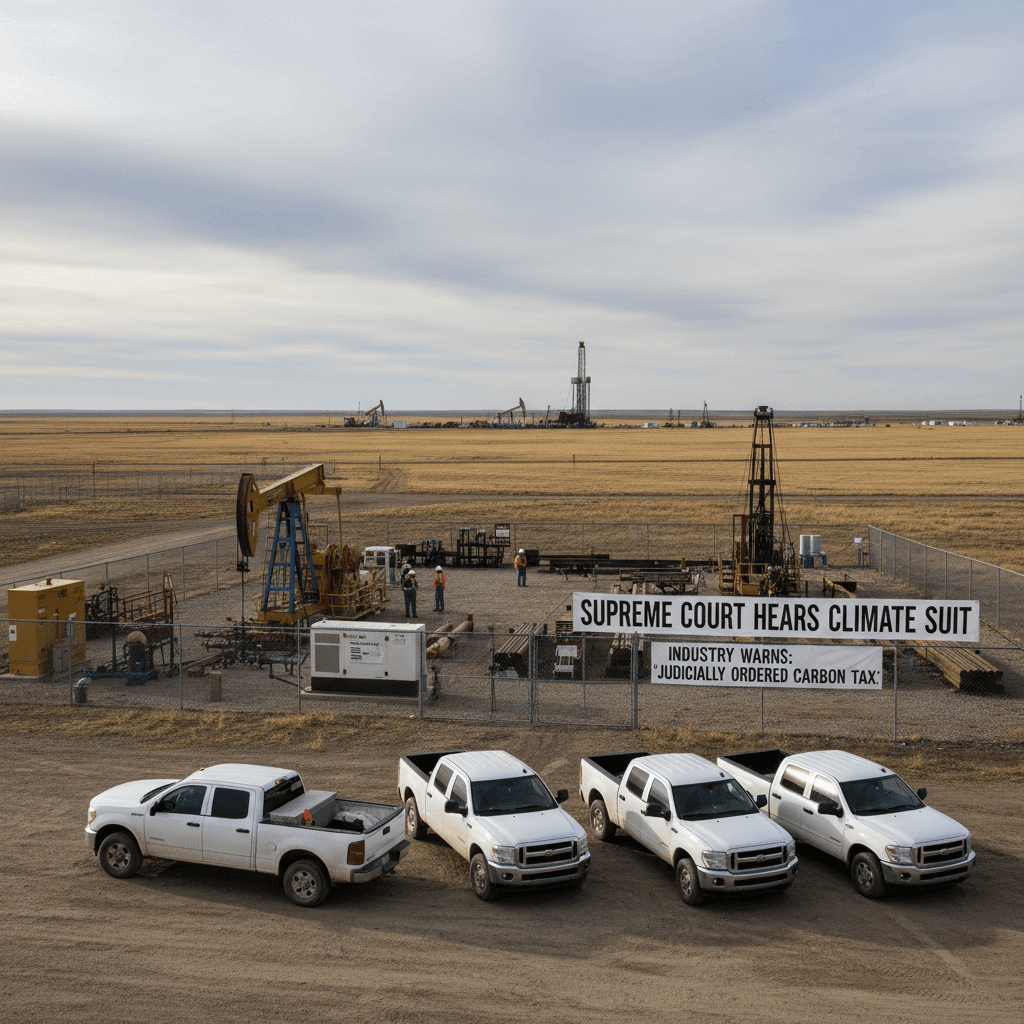
A record-strength El Niño event this winter is still unlikely to significantly reduce Europe's demand for liquefied natural gas, according to a new analysis. For Bakken operators, sustained global LNG demand supports the long-term market for associated gas and provides a backdrop of firm energy prices alongside rising crude.
Rystad Energy's analysis, reported by OilPrice.com, indicates European winter temperatures would need to be at least 2 degrees Celsius above the historical average for LNG demand to fall to last winter's level. While forecasters rate a 100% probability of an El Niño forming and an 81% chance of a strong event, the statistically probable outcome is that Europe will still need "meaningfully more LNG than it did last winter." The analysis notes the coming El Niño is forecast to be the strongest since 2015-2016, but its warming effects are less consistent in Europe than in Asia.
The stakes for global gas supply are heightened this winter due to ongoing hostilities in the Middle East, which have pushed LNG prices higher and cut deliveries from the Persian Gulf. This sustained demand outlook is relevant for North Dakota producers managing gas capture and monetization in the Bakken.
In other operator news, Shell has lost a long legal battle for exploration rights off South Africa's coast. The Constitutional Court ruled the oil major will not be allowed to renew an exploration right off the Wild Coast, according to Rigzone. The decision highlights the increasing regulatory and legal challenges facing international oil companies seeking new conventional resources.
Global crude prices found support mid-week amid renewed geopolitical friction. Oil rose on August 14 as the United States threatened new economic pressure on Iran while uncertainty over the Strait of Hormuz persisted, Rigzone reported. The Strait is a critical chokepoint for global oil shipments, and sustained tensions there typically provide a floor under global benchmark prices, which directly impact Bakken crude economics.
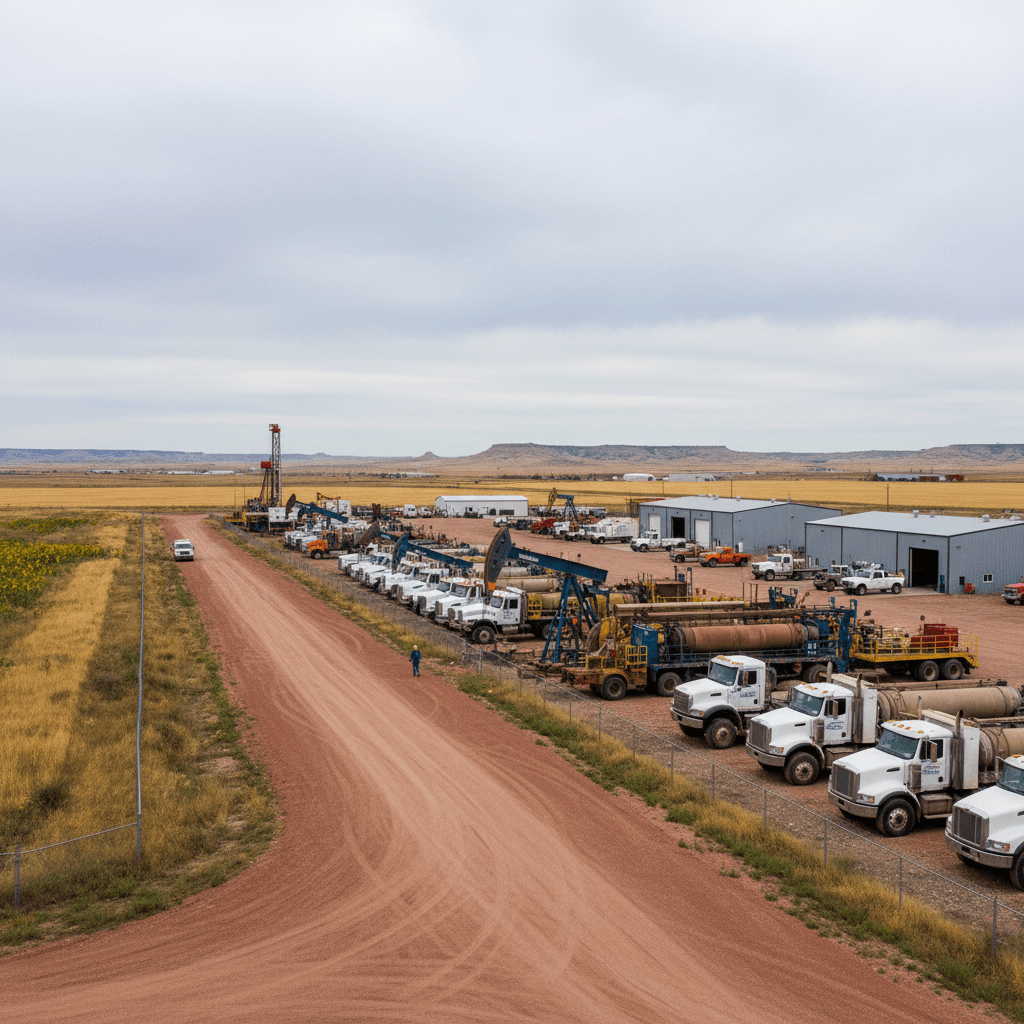
Together, these developments paint a picture of a global market where demand for hydrocarbons remains robust but access to new resources faces headwinds. For Bakken operators, the focus remains on stable production from established assets in North America, supported by external market factors that keep commodity prices firm.
Source
Analysis from Rystad Energy reported by OilPrice.com; news reports from Rigzone.