Global Roundup: Standing Rock Anniversary, BP's Pivot, Pemex Spill
A decade after protests, DAPL flows up to 750k bpd; BP doubles profit with oil focus; Pemex faces fallout from major Gulf spill.
Ten years after the historic Standing Rock movement began, the Dakota Access Pipeline (DAPL) continues to transport between half a million and 750,000 barrels of crude oil per day with plans to increase capacity to over one million barrels daily, according to a report from ICT. The pipeline, which crosses the Missouri River less than a mile from the Standing Rock Sioux Reservation, was the focal point of a massive protest movement in 2016 that drew global attention and participants from hundreds of tribes. Janet Alkire, former chairwoman of the Standing Rock Sioux Tribe (2021-2025), called it an "awakening" comparable to the Civil Rights Movement. The tribe's fight continues through legal challenges and demands for more information from operator Energy Transfer on pipeline conditions and any leaks.
In corporate strategy, BP has executed a dramatic pivot back to its core oil and gas business under new CEO Meg O'Neill, OilPrice.com reports. The company has abandoned ambitious renewable targets set during the pandemic, restructuring back into distinct upstream and downstream divisions. The strategic shift, accelerated under O'Neill, paid off in the first quarter of 2026 as BP's profit more than doubled, buoyed by a $3.2 billion profit from its trading desk amid Middle East volatility. The results came despite the closure of the Strait of Hormuz, a key shipping lane, during the period.
Meanwhile, Mexico's state-owned Pemex is facing renewed scrutiny following a major oil spill in the Gulf of Mexico, according to a separate OilPrice.com report. In February 2026, a slick covering 19 square miles was detected, eventually spreading over 370 miles along the coast from Tabasco to Tamaulipas. Environmental groups estimate up to 800 tons of oil spilled. Pemex CEO Victor Rodriguez stated in April that the spill was caused by a leak near the Abkatun field, with repairs conducted without leadership's knowledge. The incident has highlighted Pemex's poor safety record, which includes multiple fires and accidents in recent years.
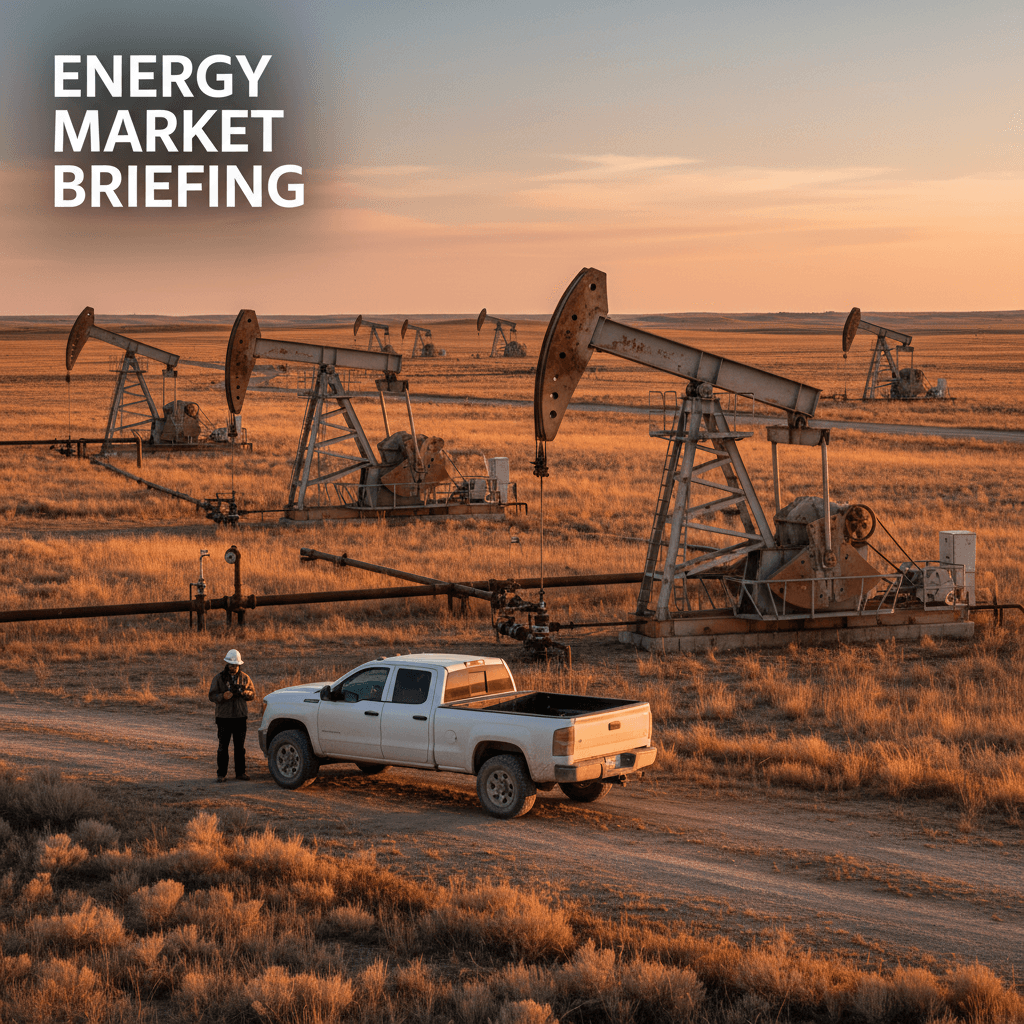
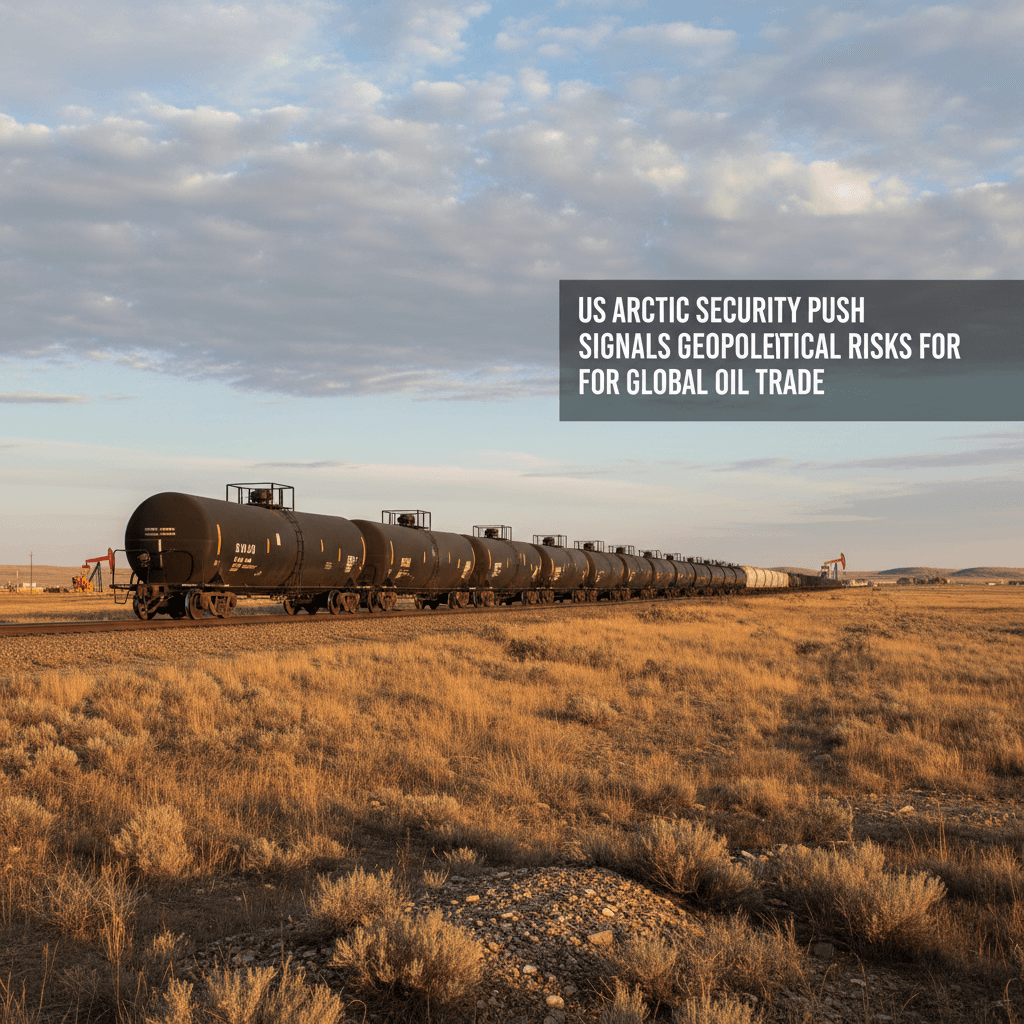
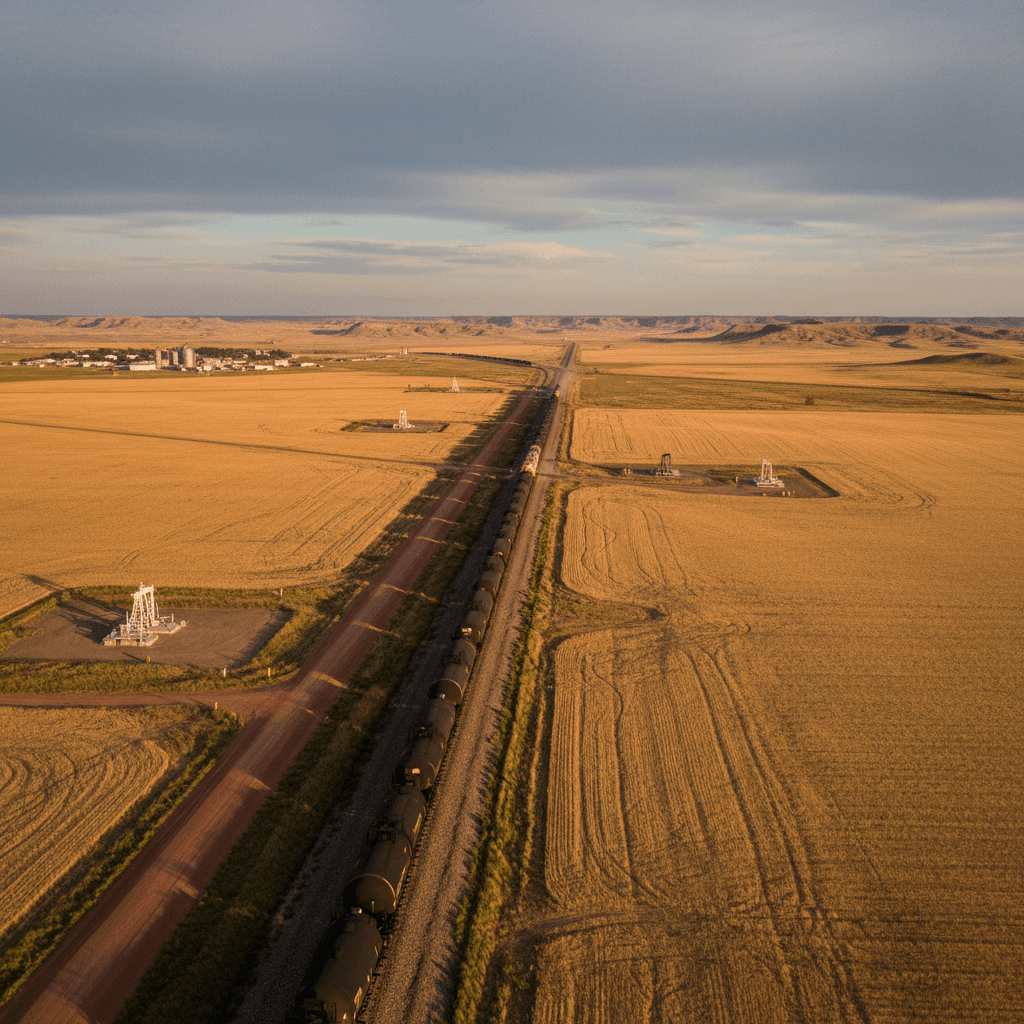
Implications for the Bakken: The ongoing operation and planned expansion of DAPL underscores the pipeline's continued critical role in moving Bakken crude to market. The legal and regulatory environment surrounding pipeline infrastructure remains a key concern for North Dakota operators. BP's renewed focus on hydrocarbons and strong financial performance reflects a broader industry trend of prioritizing oil and gas investments, which could influence capital flows and partner strategies in the Williston Basin. The Pemex spill serves as a stark reminder of the operational and reputational risks associated with pipeline and offshore infrastructure, reinforcing the importance of safety and transparency for all operators.
Source
ICT (via Bing News), OilPrice.com