Global Roundup: Vaca Muerta Booms, Suriname Bets Big, Space Mirrors Spark Debate
Developments in Argentina and Suriname highlight shale and offshore potential, while a novel solar project draws controversy.
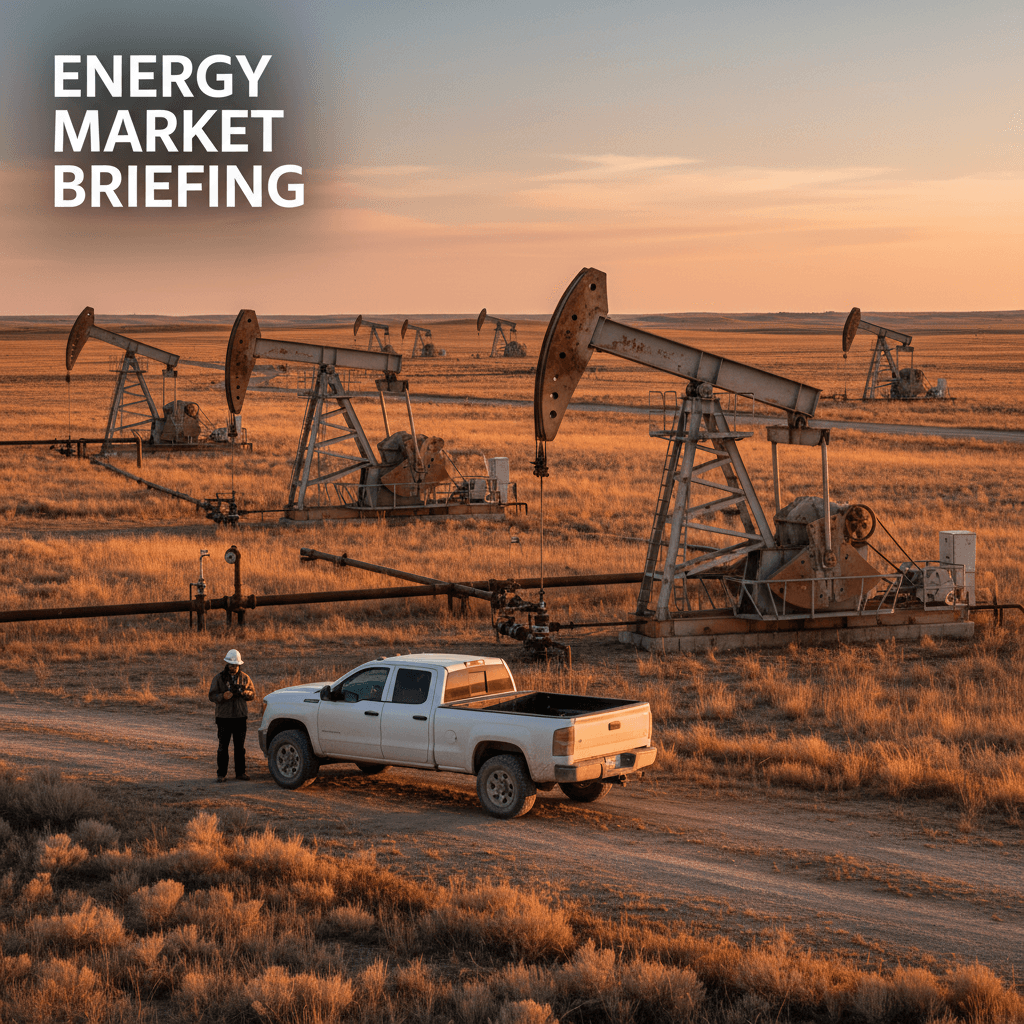
Argentina's Vaca Muerta shale play, a key global shale province outside the U.S., is posting record production but failing to lift the nation's wider economy, according to OilPrice.com. Crude oil output hit an all-time high of 887,227 barrels per day in May 2026, up 19% year-over-year. Natural gas production reached 5.5 billion cubic feet per day in the same month.
This boom has turned the Neuquén province into an energy hotspot, with oil and gas sector salaries averaging $5,600 monthly—triple the average in Buenos Aires. However, the report states the rest of Argentina struggles with sluggish growth, high inflation, and weak consumer spending, creating "two Argentinas." The play is viewed by companies as a de-risked basin with proven geology, offering an alternative to Middle East supply corridors.
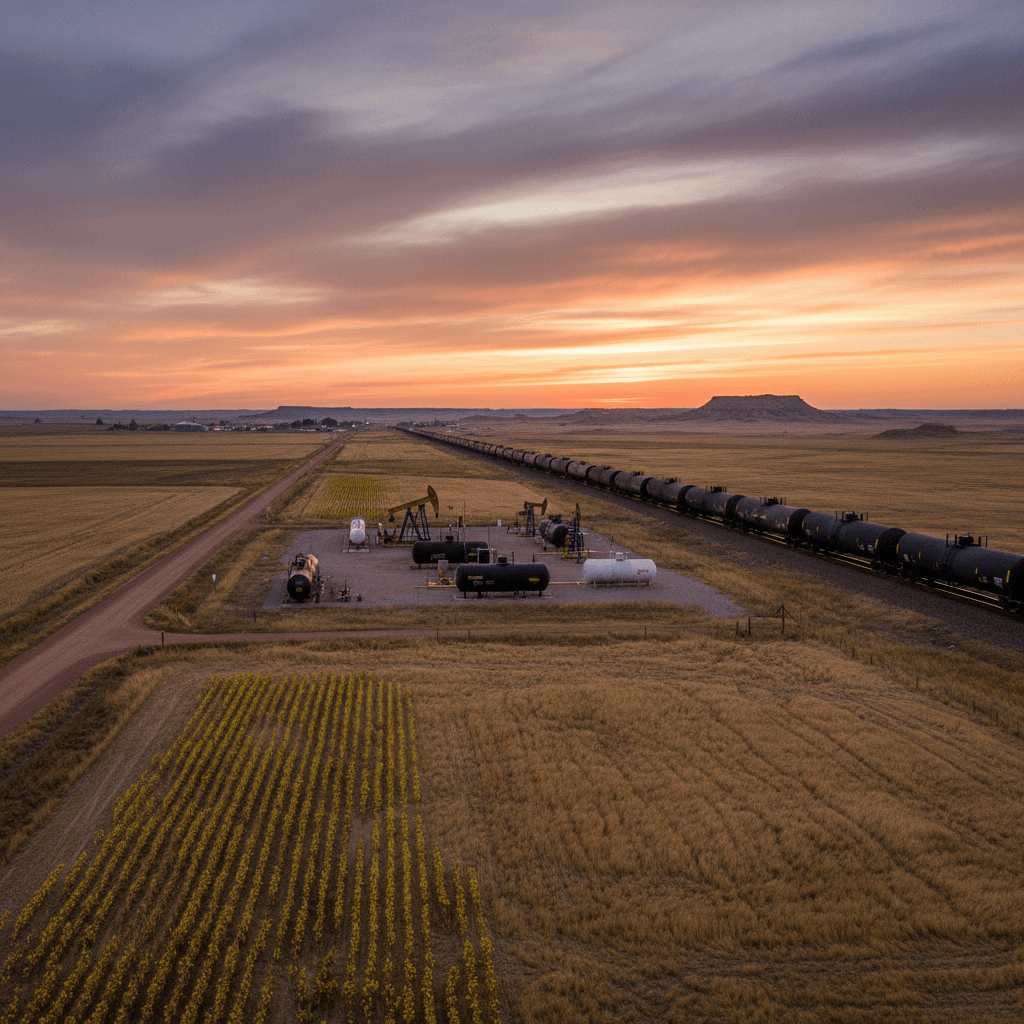
Meanwhile, Suriname's $26 billion offshore oil bet is advancing after years of delays, OilPrice.com reported. TotalEnergies and APA Corporation approved the final investment decision for the deepwater GranMorgu project in Block 58. The project's FPSO vessel, targeting the Sapakara and Krabdagu discoveries with 760 million barrels of estimated recoverable resources, is expected online in 2028 with a 220,000 bpd capacity.
The development, spurred in part by Middle East turmoil affecting the Strait of Hormuz, is a potential game-changer for Suriname's crisis-hit economy. The state company Staatsolie acquired a stake in the project, which is expected to generate up to $26 billion in fiscal income.
In a separate energy development, a California startup's plan to launch a satellite with a large mirror to reflect sunlight to Earth has drawn regulatory approval and scientific controversy, according to OilPrice.com. Reflect Orbital received FCC permission to test its Eärendil-1 demo satellite, which aims to reflect sunlight onto areas 5-6 km wide to power solar farms at night or provide illumination.
The startup raised a $20 million Series A in May 2025 and plans to sell reflected light for up to $5,000 an hour. However, scientists have raised over 1,800 comments with the FCC, warning the project could disrupt astronomy, human and animal circadian rhythms, plant growth, and marine ecosystems. The American Astronomical Society and other international scientific groups have requested a full environmental review.
Source
OilPrice.com reports from August 1, 2026.