Global Strains Tighten Oil Market as Hormuz Traffic Stays Low
Rising WTI prices and refinery expansions abroad contrast with ongoing Middle East supply restrictions and geopolitical tensions.
Global crude oil benchmarks rallied this week as the Strait of Hormuz remained severely restricted, tightening physical supply. According to OilPrice.com, October WTI crude oil futures were trading at $86.31 late Thursday, up $4.82 or 5.91% for the week, having reached as high as $87.69. The rally followed the collapse of diplomatic efforts, with no new talks scheduled between Washington and Tehran.
Shipping traffic through the critical chokepoint, which handled about one-fifth of global oil and LNG consumption before the conflict, remains in the single digits. Data from Kpler showed just five commodity vessels passed through the strait last Saturday and none on Sunday, with traffic falling to six vessels by Tuesday. OilPrice.com reported this is not a reopening but a "restricted supply system," complicating refinery scheduling and insurance.
The geopolitical landscape intensified as Iran warned Gulf states that any support for U.S. military operations would make them participants in the war. This followed the United Arab Emirates suspending all trade and financial transactions with Iran on Tuesday. According to OilPrice.com, former President Trump has threatened "tremendous" economic consequences for any country providing Iran a "lifeline," with the U.S. set to announce the "toughest sanctions in history" on Monday, primarily targeting China.
In refinery news with long-term market implications, Nigeria's Dangote Group has offered a 30% stake in a planned mega-refinery in Kenya to East African nations. The project, estimated to cost $17 billion, is planned for Lamu Island with a capacity of up to 700,000 barrels per day, exceeding the region's current demand. A senior adviser to Kenya's president stated the total equity offer for the region is about $1.5 billion, with Kenya's potential 10% stake valued at $500 million.
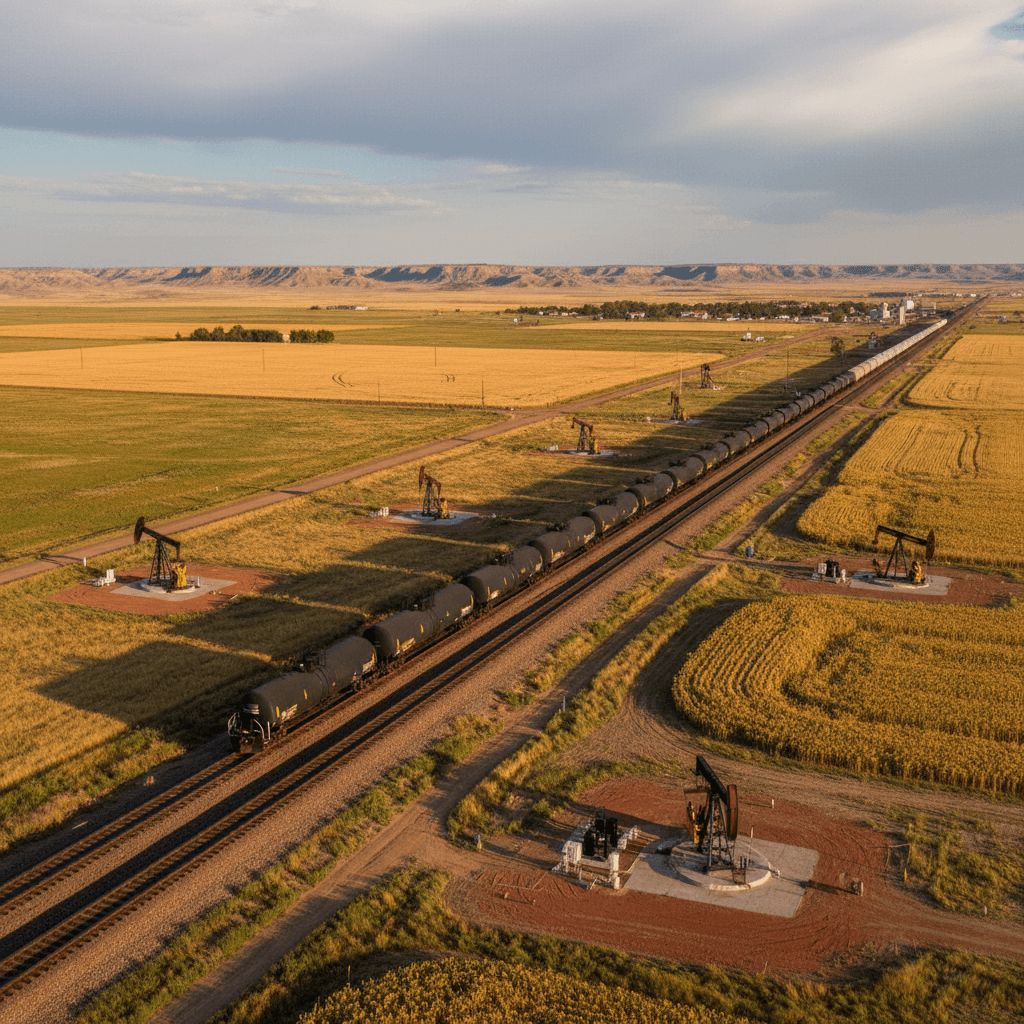
For Bakken producers, the sustained premium in global crude prices, driven by ongoing Middle East supply constraints, provides a supportive price environment. However, the geopolitical volatility underscores the fragility of global trade routes. The development of major new refining capacity in East Africa, like the Dangote project, represents a continued shift in global downstream infrastructure that could influence long-term crude flow patterns.
Source
OilPrice.com reports from August 21, 2026.

