Global Straits Tensions Shape Long-Term Oil Outlook; Bakken Pipeline Gains Capacity
Analysts see continued price volatility from Iran conflict as North Dakota's proposed Bakken East gas line is upgraded for greater capacity.
Global oil market analysts warn that a lasting peace between the U.S. and Iran is unlikely, suggesting continued price volatility for crude producers despite the recent reopening of a key chokepoint. According to OilPrice.com, Fereidun Fesharaki, chairman emeritus of consultancy FGE NexantECA, said it is "impossible to imagine" a scenario where the two nations reach a lasting deal, predicting "more conflict" and "more trouble."
This outlook comes as up to 75% of previous oil flows through the Strait of Hormuz are expected to return by year's end. However, Fesharaki notes that significantly lower oil prices for 2027 are not guaranteed, with his firm's pre-conflict forecast of prices in the upper $50s to low $60s per barrel still possible only if lasting peace is achieved. Other banks, like Citigroup and Morgan Stanley, predict a supply glut and lower prices, with Citi forecasting Brent Crude could plunge to $60 per barrel by end-2026.
The recent crisis highlighted the strait's strategic vulnerability, catalyzing a spike in oil prices of over 70% after Iran blockaded the route in late February. According to OilPrice.com, the blockade prompted U.S. and Gulf allies to pursue alternative routes, including expanding Saudi Arabia's East-West Pipeline and using land-based trucking through Iraq, though these moved a fraction of the pre-blockade volumes.
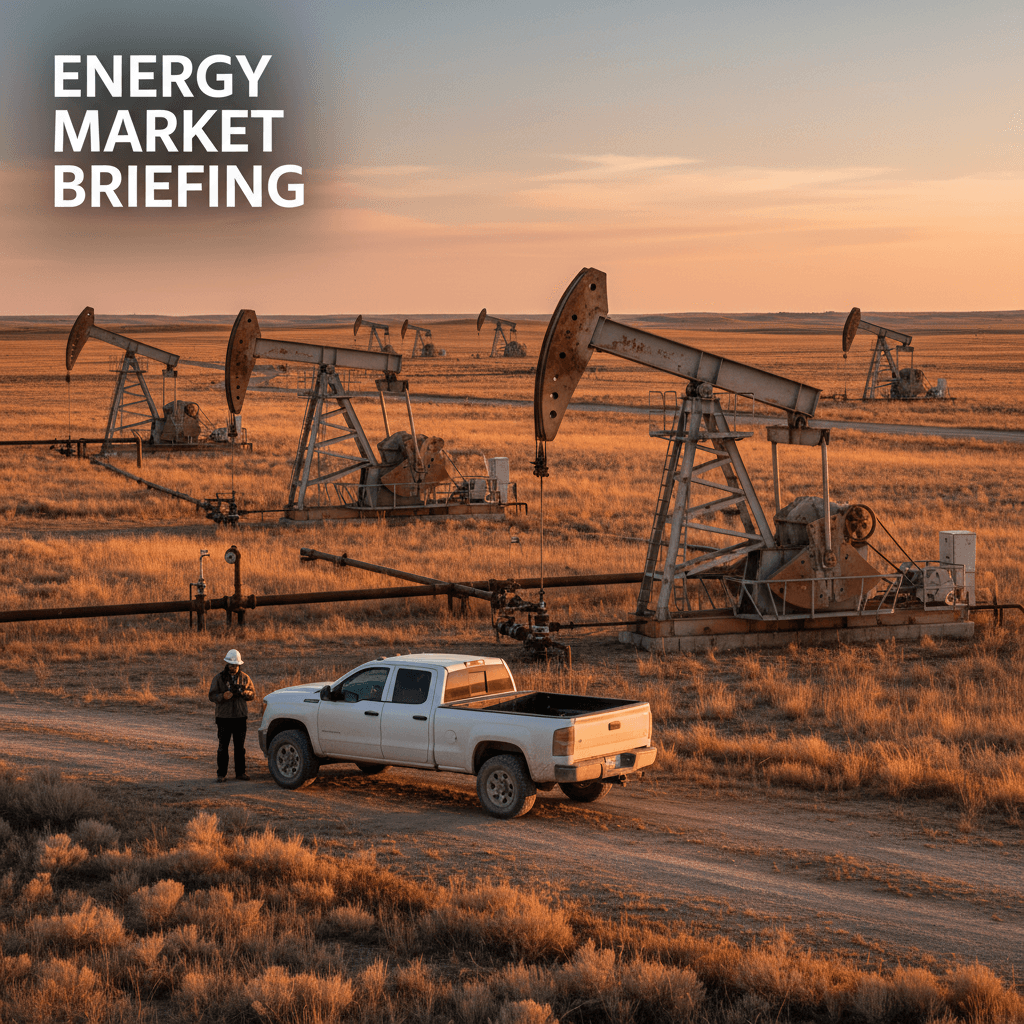
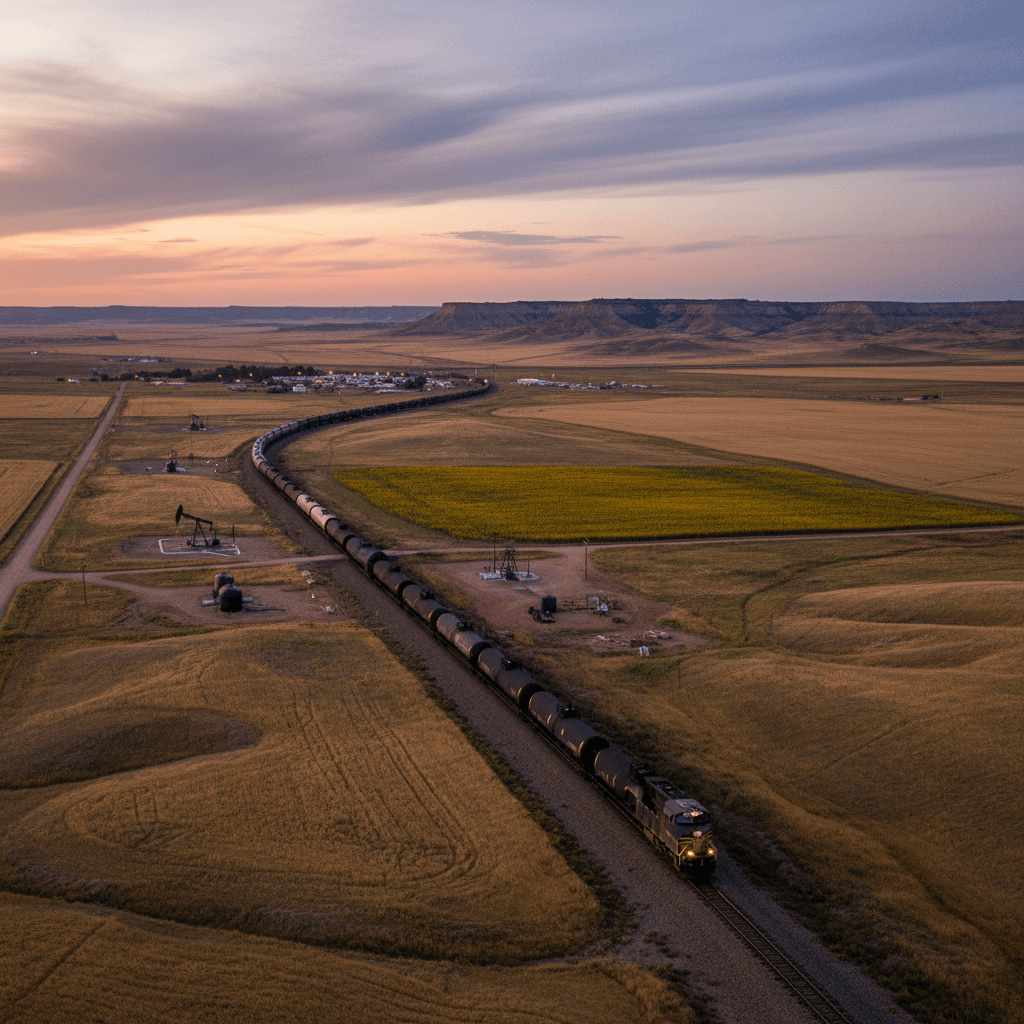
Bakken East Pipeline Upgraded Domestically, a major North Dakota energy infrastructure project has been upgraded in its planning stages. WBI Energy Transmission Inc.'s proposed Bakken East natural gas pipeline will likely feature larger pipe diameters than originally planned, according to Bing News. The 400-mile line from near Watford City to Mapleton would now use 42-inch pipe for the first 134 miles and 36-inch pipe for a 162-mile middle stretch, up from originally planned 36-inch and 30-inch diameters.
Justin Kringstad, director of the North Dakota Pipeline Authority, said the upgrade is "good news across the board for the eastern half of North Dakota," providing more capacity and long-term growth opportunities for the Red River Valley. He attributed the change to higher-than-anticipated interest from potential customers.
Keith Lund, President and CEO of the Grand Forks Region Economic Development Corp., said greater capacity creates greater opportunity for northeast North Dakota, ranking expanded natural gas access as a top priority. The line would provide a second source of gas to Grand Forks, adding redundancy useful for business development targeting agribusiness and data centers.
Source
According to OilPrice.com and Bing News.