Global Supply Dynamics Pressure Oil Prices, Impacting Bakken Outlook
Middle East export rebound and coordinated Hormuz transits contribute to market oversupply concerns despite low U.S. inventories.
Oil prices fell to postwar lows on Wednesday as traders focused on improving Middle East supply flows and growing signs of potential oversupply, according to Rigzone. This occurred despite historically low U.S. crude inventories.
The supply pressure is linked to a rebound in Persian Gulf oil trade. Qatar has joined other regional nations in reviving crude oil sales, with producers increasing activity as peace talks between the U.S. and Iran progress, Rigzone reported Thursday. Furthermore, a new system for transiting the Strait of Hormuz was confirmed this week. Shippers can now transit the critical chokepoint via Iranian or Omani and U.S.-coordinated waters as part of a broader plan to evacuate stranded vessels, the International Maritime Organization stated, according to a Rigzone report.
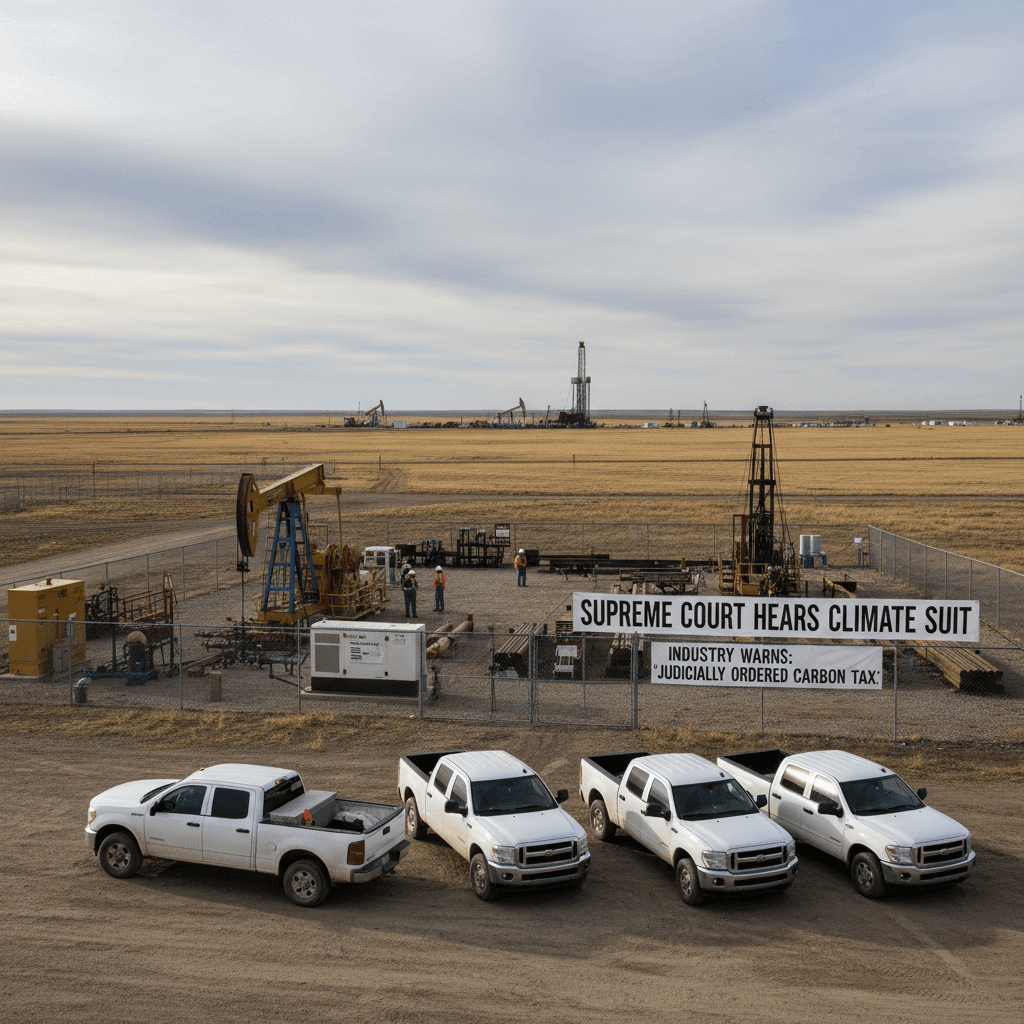
For Bakken operators and North Dakota royalty owners, these international developments introduce significant headwinds. Increased and more reliable crude flows from the Middle East can directly compete with U.S. light sweet crude, including Bakken barrels, in global markets. The coordination around the Strait of Hormuz, which handles about one-fifth of global oil consumption, aims to stabilize and potentially increase export volumes from the region.
A sustained increase in global supply, particularly from low-cost producers, typically exerts downward pressure on the international benchmark Brent crude price. This, in turn, narrows the price differential for Bakken crude priced at the Clearbrook, Minnesota, or Guernsey, Wyoming, hubs. A weaker price environment challenges the economics of well completions and drilling programs in the Williston Basin, where break-even costs are generally higher than in core Middle Eastern fields.
The market's focus on rising supply, even amid tight U.S. stockpiles, underscores the global nature of the oil price equation. Bakken producers will be monitoring whether the anticipated oversupply materializes and if demand can absorb the additional barrels from the Persian Gulf.
Source
Rigzone (June 24-25, 2026)