Global Supply Pressures from Iran, Russia Could Bolster Bakken Outlook
Analysts cite altered energy landscape from conflict, while Russian output stalls, potentially supporting North Dakota crude prices.
The global energy landscape has been fundamentally altered by the ongoing conflict in Iran, according to analysis from a major financial firm. This shift, alongside stalled production growth from Russia, creates a supportive backdrop for crude oil prices, a key factor for Bakken formation operators in North Dakota.
J.P. Hanson, Managing Director and Global Head of the Oil & Gas Group at Houlihan Lokey, stated that the Iran conflict has fundamentally altered the global energy landscape, Rigzone reported Wednesday. While the exact market impact was not detailed, sustained geopolitical instability in major oil-producing regions typically introduces a risk premium to global crude prices and can tighten physical supply balances.
In a separate development, Russia expects its oil production to remain flat throughout 2026, according to a Rigzone report. The country anticipates only modest growth in the subsequent two years as its energy infrastructure faces intense drone attacks from Ukraine. Russia is one of the world's top three oil producers alongside the United States and Saudi Arabia.
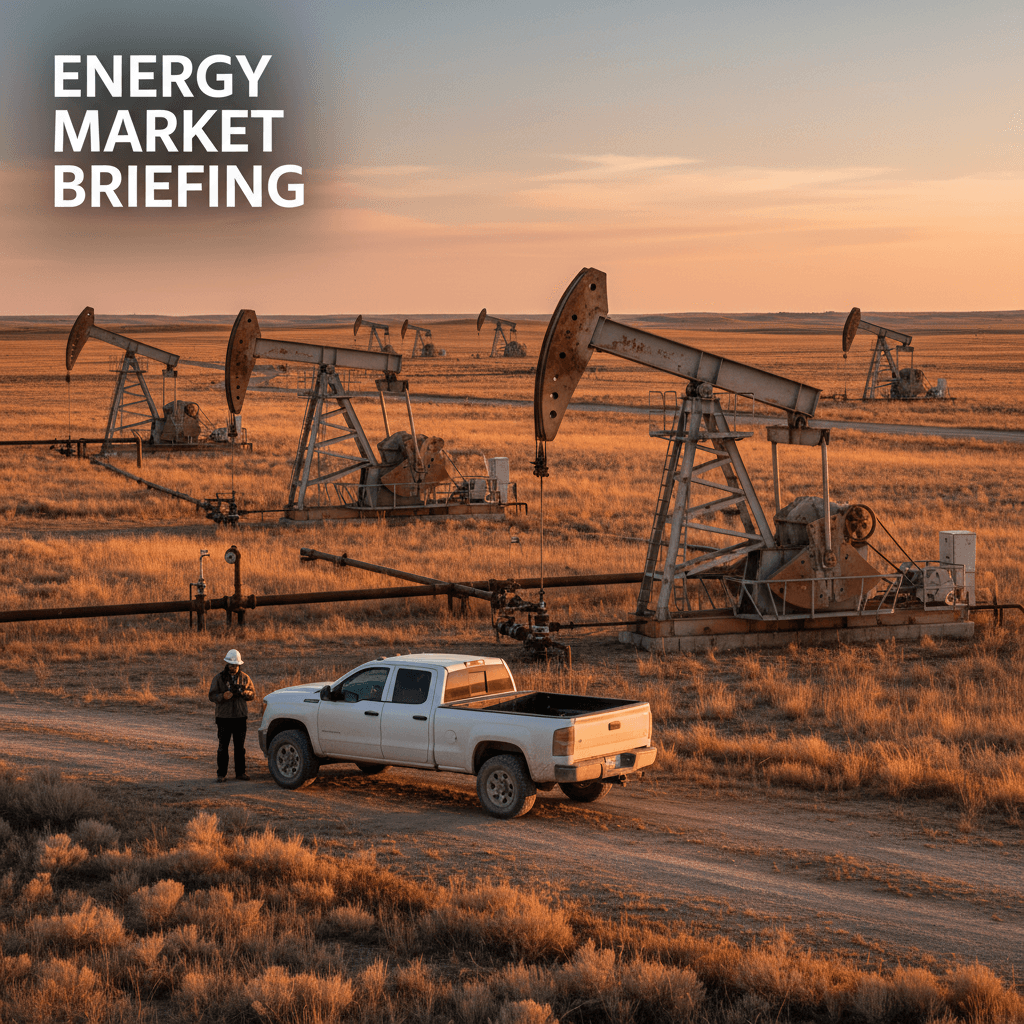
For Bakken operators, these simultaneous developments point to a potentially firmer price environment. The Williston Basin's economics are directly tied to the price of West Texas Intermediate (WTI) crude, which is influenced by global supply disruptions and geopolitical events. Any sustained reduction or constraint on output from other major producers can increase the relative value of stable, domestic production from shale plays like the Bakken.
While North Dakota producers focus on local efficiency and costs, their revenue is ultimately set on a global stage. Continued volatility and supply concerns abroad generally benefit U.S. shale operators by providing a higher price floor. This environment can support steady drilling activity and capital investment in the Bakken, which is North Dakota's primary oil-producing region.
The combined effect of a reshaped landscape due to the Iran conflict and stagnant Russian output underscores the interconnected nature of the oil market. Bakken producers, while insulated from direct physical disruption, remain highly exposed to these global price signals.
Source
Rigzone (Iran conflict analysis, Russia output forecast)