Global Supply Risks Mount as Attacks, Tensions Roil Key Regions
Bakken operators watch as Ukrainian drone strikes hit Russian refineries and tanker traffic stalls near Hormuz, while Gulf lease sale proceeds.
A Ukrainian drone strike sparked a fire at a major Russian refinery overnight, continuing a campaign that has crippled Moscow's fuel exports and tightened global refined product markets. According to OilPrice.com, the attack hit a Rosneft-owned refinery in Ufa, in Russia's Bashkortostan region, on Wednesday, August 19. The regional governor reported a "small fire" and said repairs were expected within days.
The strike is part of a months-long Ukrainian campaign targeting Russian energy infrastructure. OilPrice.com reported that these attacks have forced many large Russian processing sites offline, contributing to gasoline and diesel shortages in Russia for over three months. Russia's diesel and gasoil exports crashed to just 80,000 barrels per day in early August, the lowest in years, according to the source.
Simultaneously, maritime risks are disrupting crude flows in another critical chokepoint. Rigzone reported that three China-linked supertankers aborted their attempt to transit the Strait of Hormuz on Wednesday, U-turning as security risks remain elevated. The report linked the heightened tensions to a hard line on Iran taken by President Donald Trump.
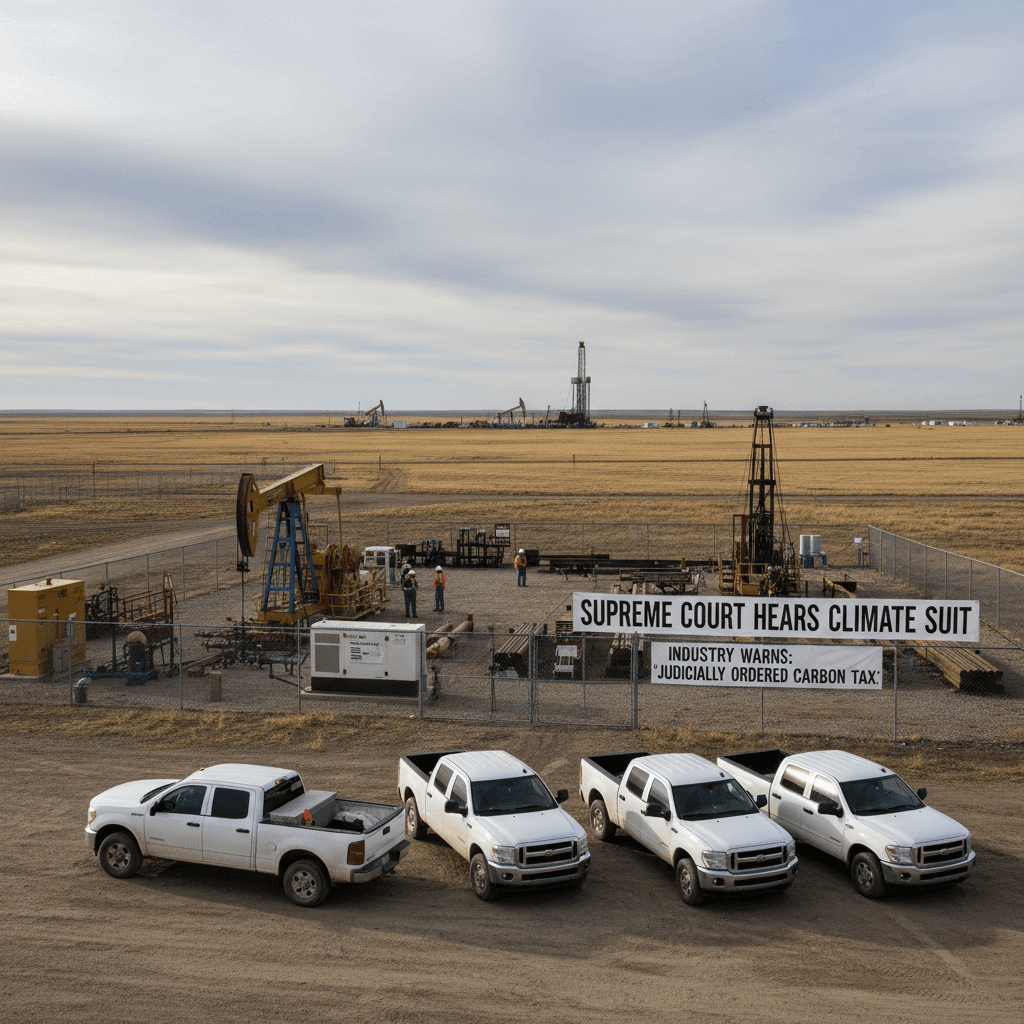
For Bakken producers, these events underscore persistent global supply risks that can support oil prices. The ongoing reduction in Russian refined product exports tightens the global diesel market, a key benchmark for Bakken crude. Disruptions at the Strait of Hormuz, a vital passage for seaborne crude, threaten the flow of waterborne oil to global markets.
In contrast, domestic offshore leasing activity continues. The U.S. Department of the Interior announced the "Big Beautiful Gulf 3" lease sale generated $82.6 million in high bids for 59 blocks in federal waters, Rigzone reported on Wednesday. This ongoing investment in U.S. federal acreage highlights continued industry commitment to domestic production.
The convergence of geopolitical events highlights a fragmented global market. While direct Bakken crude exports do not transit the Strait of Hormuz, any major disruption there impacts global benchmark prices. The attack on Russian refining capacity more directly affects the refined product complex, influencing the value of Bakken crude which yields a high proportion of diesel and other distillates.
North Dakota operators will monitor whether these sustained disruptions translate into a firmer price floor for crude and diesel. The situation remains fluid, with the Ukrainian campaign showing no signs of abating and maritime security in the Middle East uncertain.
Source
According to OilPrice.com and Rigzone.