Global Supply Risks Push Oil Prices Higher
Rising shipping costs and fuel market pressure support crude gains, providing a firmer price floor for Bakken producers.
Oil prices gained on Wednesday as renewed global supply risks and market pressures provided support, according to a report from Rigzone. The developments create a more favorable pricing environment for operators in North Dakota's Bakken formation.
Rigzone reported that crude gained amid multiple factors, including renewed supply disruptions, rising shipping costs, and continued pressure on global fuel markets. While the report did not specify the nature of the disruptions, such geopolitical or logistical events typically tighten the worldwide supply balance. Increased shipping costs can also make imported crude more expensive, boosting the competitiveness of domestic production.
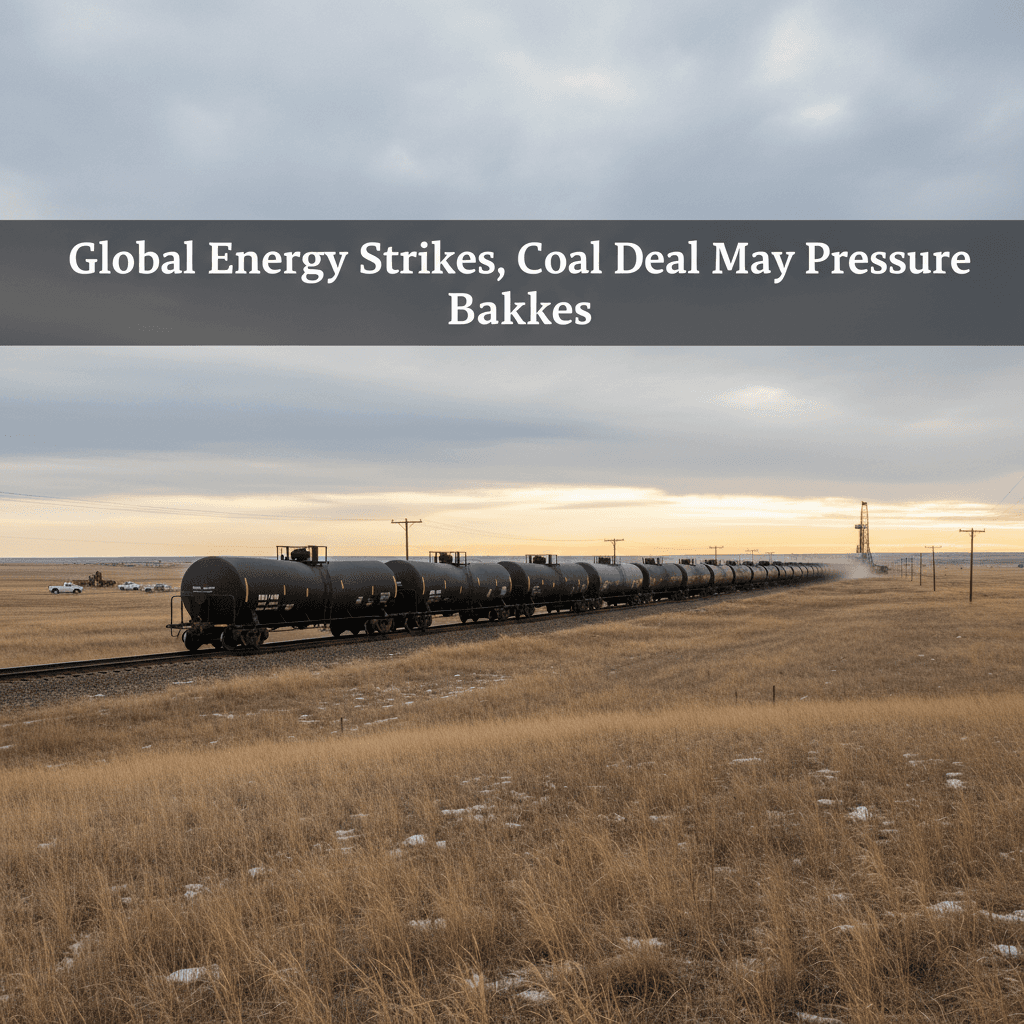
For Bakken operators, a higher global price benchmark directly strengthens the economics of wellhead production. The formation is a major contributor to U.S. light tight oil supply, and its output is sensitive to movements in global crude prices. A sustained period of gains can improve cash flow, support maintenance of production levels, and potentially influence future drilling plans.
The reported pressure on global fuel markets may indicate strong downstream demand or refining constraints, which ultimately supports the need for crude feedstock. This aligns with the broader industry context where Bakken crude is a key supplier to refineries across the U.S., particularly in the Midwest.
The price support comes at a critical time for the basin, where operators continuously manage costs to maintain profitability. While day-to-day price volatility remains, the underlying factors cited by Rigzone—supply risks and logistical pressures—can contribute to a firmer price floor. This environment allows Bakken producers to navigate operational decisions with slightly greater confidence in near-term revenue.
Source
Market developments attributed to Rigzone report from October 14, 2026.