Global Supply Shifts, EIA Forecast Boost Signal Bakken Opportunity
Russian refinery attacks tighten global fuel markets as U.S. production outlook rises, highlighting Bakken's strategic export role.
Russia has begun rationing gasoline in Moscow following a series of successful Ukrainian drone strikes on its oil refining infrastructure, according to a report from OilPrice.com. The attacks, including a recent strike on Gazprom Neft's Moscow refinery, have removed roughly 600,000 barrels per day of refining capacity, forcing major retailers like Rosneft and Lukoil to limit fuel sales. In response, Russia has banned gasoline exports through the end of July.
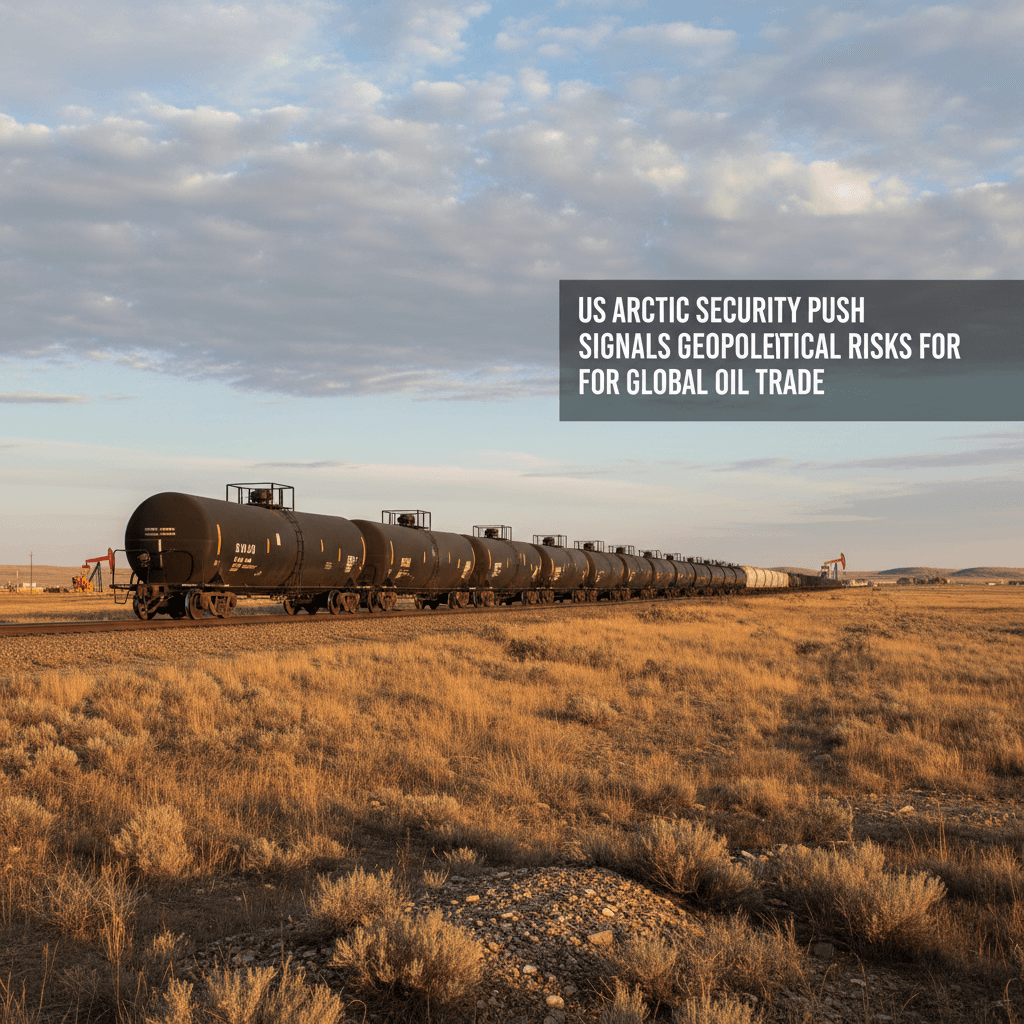
This disruption to one of the world's largest oil producers and exporters is tightening global fuel markets and exposing vulnerabilities in refining systems. For Bakken operators, the situation underscores the strategic value of secure, stable production from non-Russian sources, particularly as global demand for refined products remains robust. The need for Russia to reportedly import gasoline from Asia while rationing domestically highlights ongoing global supply dislocations that can support strong crack spreads for U.S. refiners processing Bakken crude.
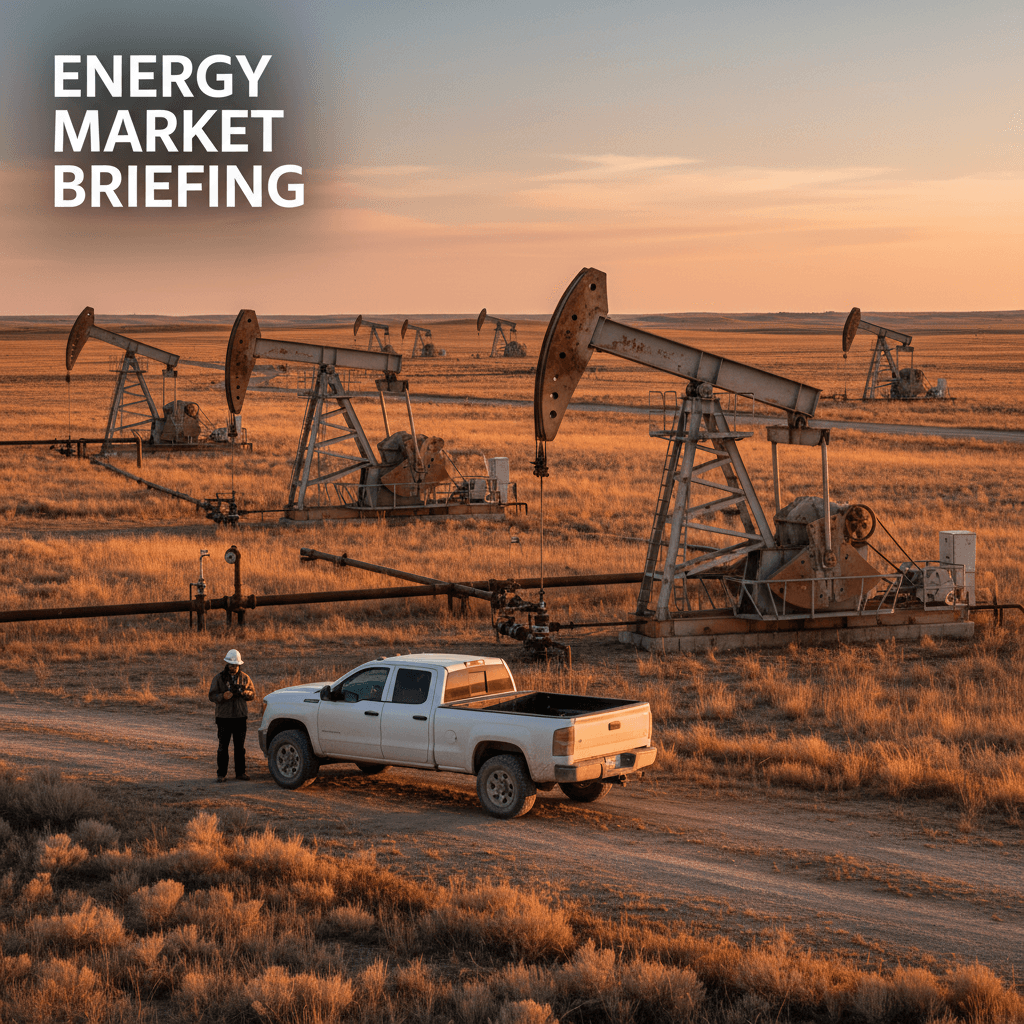
Concurrently, the U.S. Energy Information Administration (EIA) has raised its U.S. crude oil production forecast for 2026 and 2027, Rigzone reported. While specific figures for the Bakken were not provided in the source, this upward revision for national output signals continued confidence in the productivity of major shale plays, including North Dakota's Williston Basin. A stronger national production outlook often relies on stable or growing output from the Bakken formation.
Further emphasizing the demand for secure U.S. energy exports, Venture Global executed new agreements to supply approximately 0.82 million metric tons per annum of U.S. liquefied natural gas to Germany's EnBW for five years, according to a separate Rigzone summary. This deal reinforces the growing global reliance on American hydrocarbons, a trend that benefits all U.S. producing regions by supporting overall energy infrastructure and export capacity.
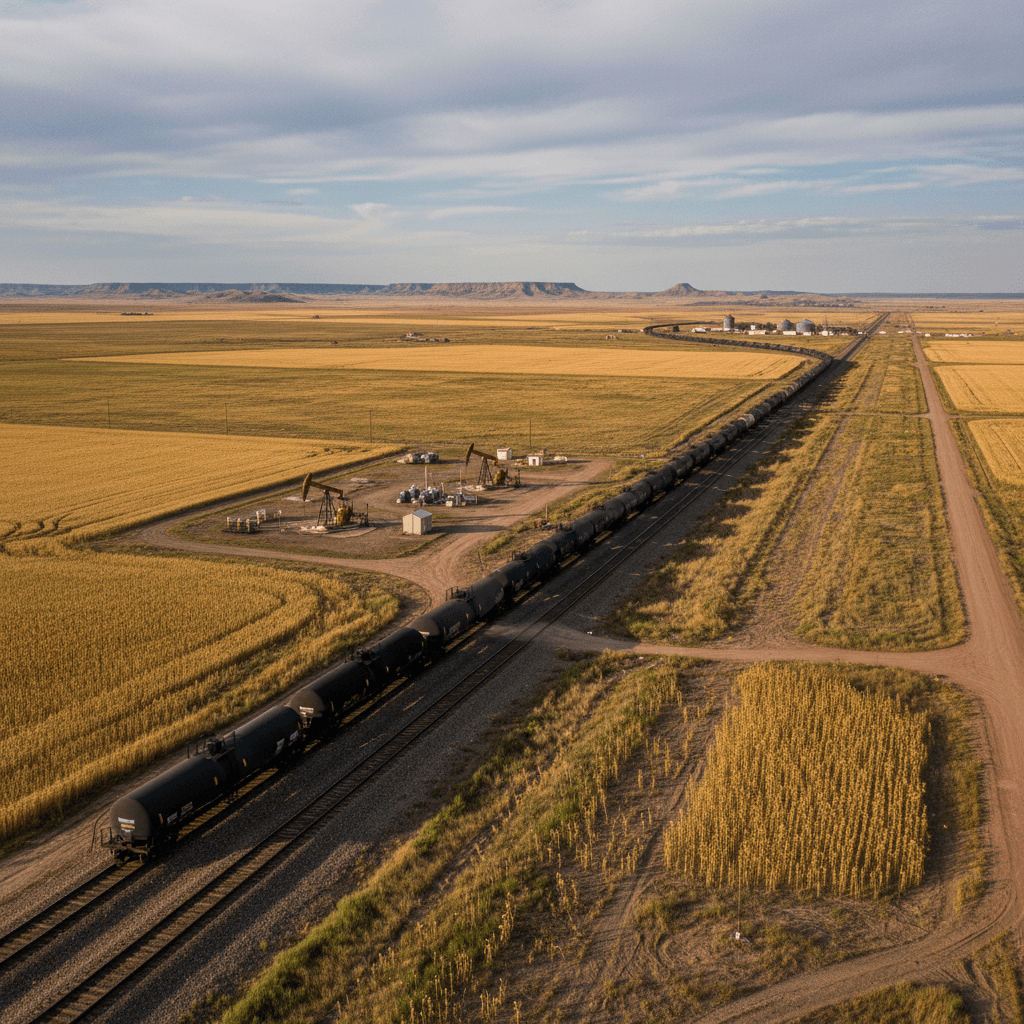
For North Dakota, these combined developments paint a picture of a favorable macro environment. The physical disruption to Russian refining creates a supply void in global fuel markets, while the EIA's revised forecast suggests domestic production will continue to fill part of that gap. The ongoing commitment to U.S. LNG exports, as seen in the Venture Global deal, supports the broader infrastructure needed to move American energy to allies, indirectly benefiting crude oil logistics.
Bakken operators and royalty owners are positioned at the intersection of these trends. Geopolitical events are constraining refined product supply from a major competitor, while federal forecasts anticipate U.S. producers will maintain strong output. This scenario typically supports firm pricing for Bakken crude, which flows to domestic refineries and, increasingly, to export markets to meet global demand.
Source
OilPrice.com, Rigzone