Global Supply Shifts, Fuel Crunch May Benefit Bakken Exports
Russian refinery attacks and Middle East export rebound create a volatile global fuel market, potentially opening doors for Bakken crude and products.
Russia is facing its worst nationwide fuel shortages in years, with at least 17 regions imposing mandatory restrictions on gasoline and diesel sales, according to OilPrice.com. The crunch is driven by a widening campaign of Ukrainian drone strikes targeting oil infrastructure, which has knocked more than 20 percent of Russia's total refining capacity offline. The largest fuel supplier to the Moscow region, the Kapotnya refinery, was hit twice this month and will be offline until at least the end of 2026.
This severe disruption to a major global fuel producer creates potential market openings for other suppliers. Bakken operators, who produce a light, sweet crude oil ideal for refining into gasoline and diesel, could see increased demand for their exports if global fuel shortages persist. The situation underscores the value of secure, stable production from regions like North Dakota.
Meanwhile, fuel oil exports from the Middle East are expected to rebound to a four-month high in June, rising 20% from May to about 508,000 barrels per day, OilPrice.com reported. Key producers Iraq, Saudi Arabia, and Oman are increasing shipments from ports outside the Persian Gulf. However, these volumes are still only half of what the region exported before the recent conflict, indicating a market still in recovery.
The tentative reopening of the Strait of Hormuz is facilitating this increase, but analysts caution the recovery may not be substantial. "Fuel oil flows through the Strait of Hormuz are expected to increase over the next 60 days, but the recovery is unlikely to be substantial," Palash Jain, a Middle East oil consultant at FGE NexantECA, told Reuters. This continued volatility and constrained flow from a traditional supply hub further emphasizes the strategic role of North American production.
In a separate long-term deal reported by Rigzone, global energy trader Vitol finalized a 20-year agreement to supply 1 million metric tons per annum of liquefied natural gas to International Resources Holding. While this deal is specific to LNG, it signals major traders are securing long-term supply agreements in a uncertain global landscape, a trend that could extend to crude oil markets.
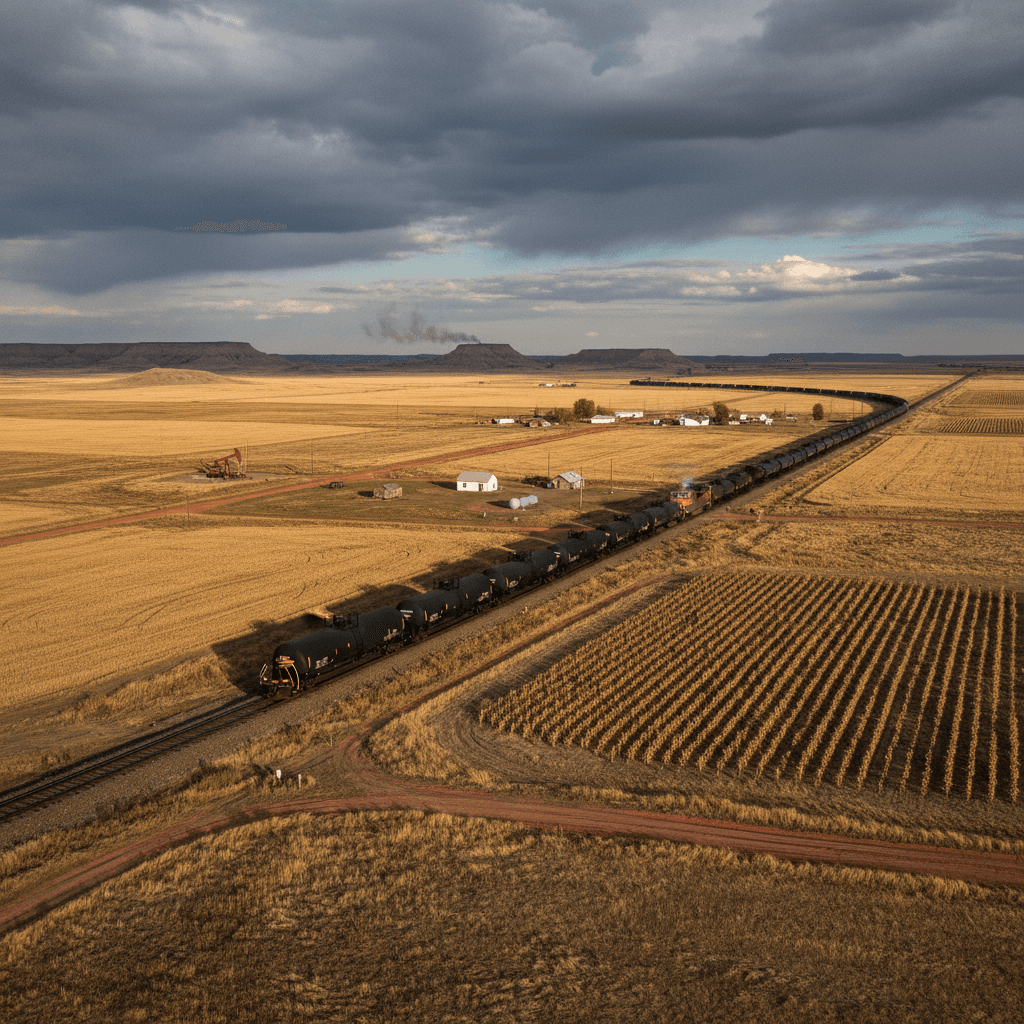
For Bakken operators and North Dakota's economy, these global developments highlight the interconnected nature of energy markets. Attacks on Russian refining capacity directly impact global fuel supply, while Middle East export routes remain fragile. This environment may strengthen the bargaining position for Bakken crude, which flows from a politically stable region with established pipeline and rail export networks. Any sustained global shortage of refined products could translate into higher demand and firmer prices for the light crude produced in the Williston Basin.
Source
OilPrice.com, Rigzone