Global Supply Shifts, Refinery Attacks May Tighten Crude Markets
Chinese refiners seek alternatives to blocked Iranian oil as Ukrainian drone strikes pressure Russian fuel supplies, potentially benefiting Bakken crude pricing.
Global crude oil supply chains are facing dual pressures that could tighten the market for competing light sweet crudes like those produced in the Bakken. According to reports from OilPrice.com on Friday, August 21, a U.S. blockade on Iranian oil exports is squeezing supply to China, while sustained Ukrainian drone attacks are damaging Russian refining capacity.
Chinese independent refiners, known as "teapots," are estimated to have imported about 534,000 barrels per day (bpd) of Iranian crude so far in August, down from an estimated 823,000 bpd in July, according to preliminary data from Kpler cited by Reuters. The reinstated U.S. blockade, which began in mid-July, is preventing new supply from leaving the Persian Gulf. Trade sources told Reuters that U.S. warnings of "TREMENDOUS Economic Consequences" for countries aiding Iran are making Chinese teapots uneasy about potential stricter sanctions enforcement.
“Given the thin Iranian availability amid the U.S. blockade, Chinese teapots are now looking beyond Russia and Iran,” senior oil analyst Sun Jianan at Energy Aspects told Reuters. With offers for September and October delivery collapsing, these refiners are in search of alternative feedstocks. Muyu Xu, a senior crude analyst at Kpler, said on Friday that Chinese teapots "will need to step up purchases of alternative feedstocks... or risk cutting throughput in October when their inventories run thin."
Concurrently, Ukrainian forces are continuing a campaign of drone strikes on Russian oil refineries. Ukrainian President Volodymyr Zelenskyy said on Friday that a strike hit an oil refinery in the Perm region, over 1,000 miles from the Ukraine-Russia border. Ukrainian media reported the target was Lukoil’s Permnefteorgsintez crude processing facility, where a large fire broke out. This follows an attack earlier in the week on a Rosneft-owned refinery in the Bashkortostan region.
These near-daily attacks, aimed at crippling Russia's fuel supply, have contributed to gasoline and diesel shortages in Russia for over three months amid peak demand season. The reduction in Russian refining throughput could limit the country's exports of refined products, increasing global demand for other sources of light crude for processing.
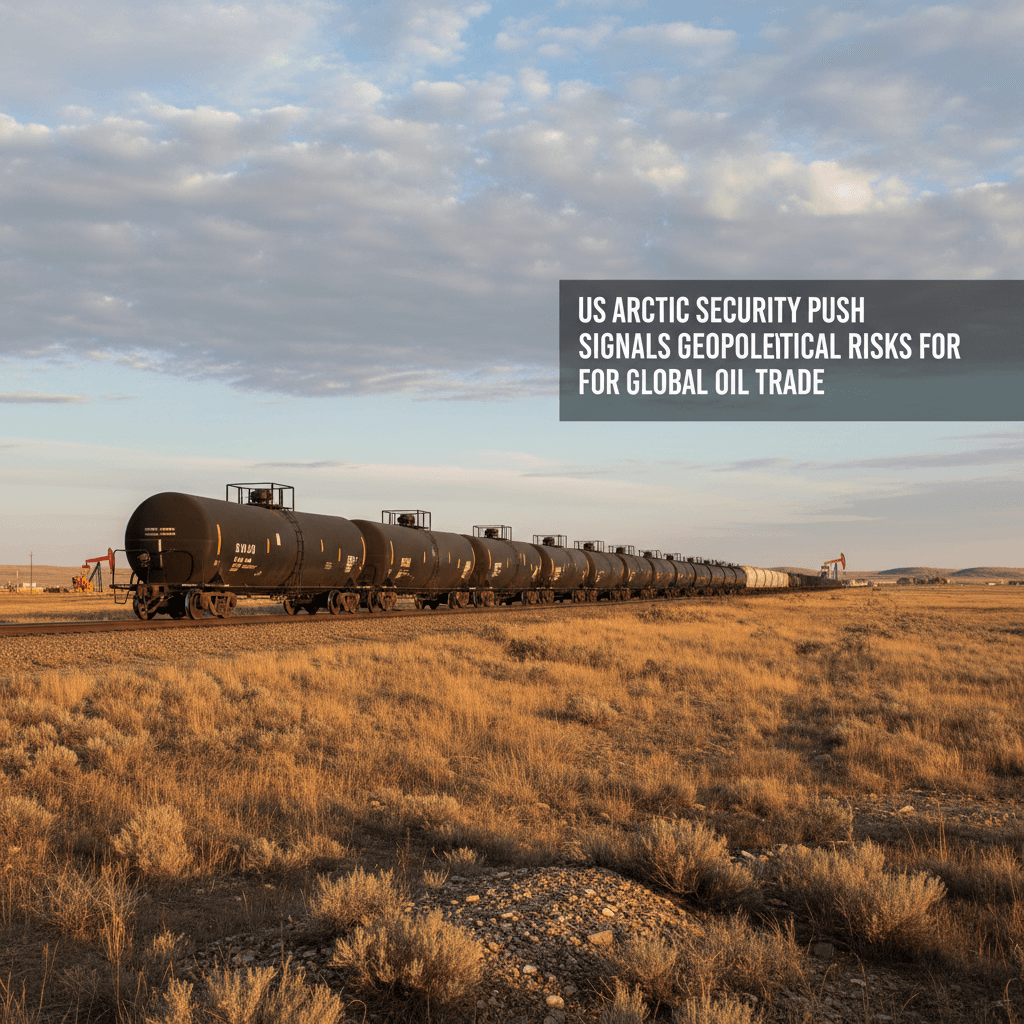
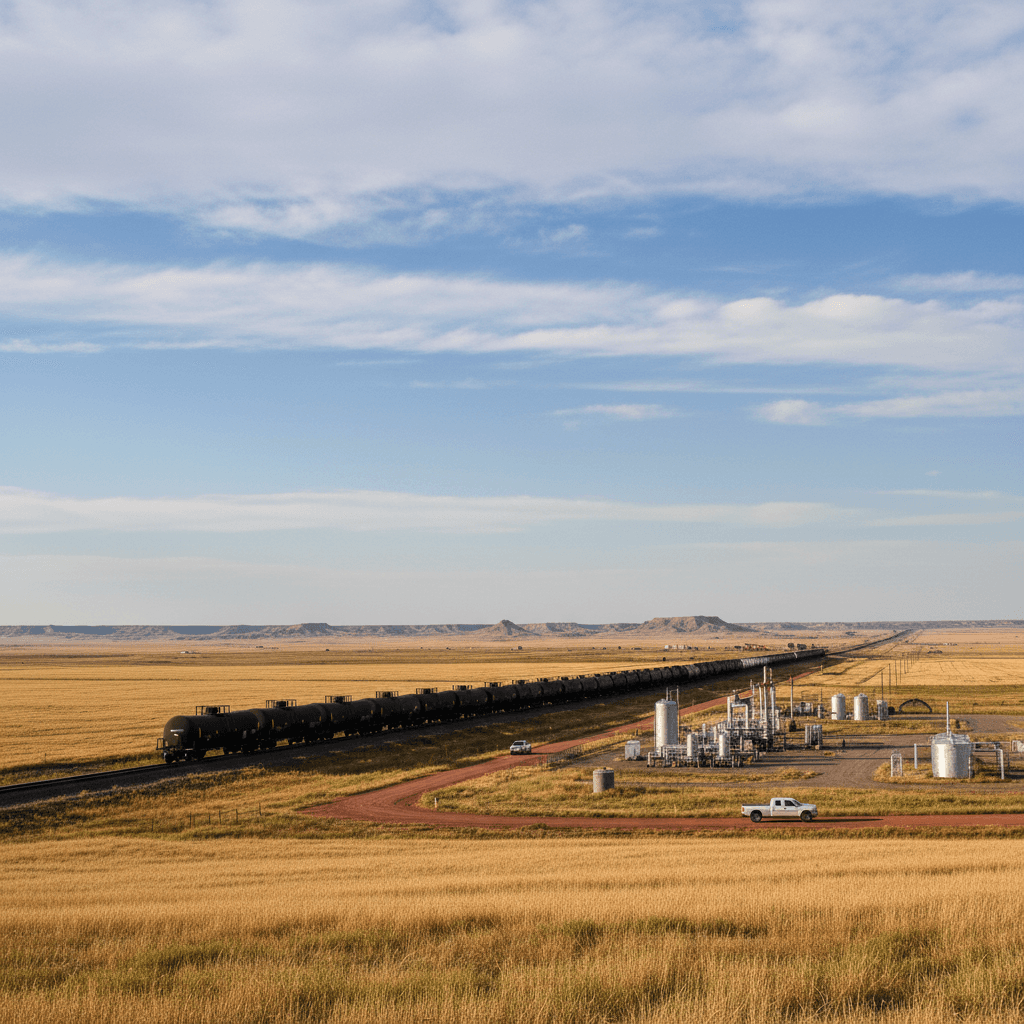
For Bakken operators, these simultaneous disruptions represent a potential bullish signal. The search by Chinese teapots for non-Iranian, non-Russian crude alternatives could increase competition for available Atlantic Basin and Asian-bound cargoes. Furthermore, the ongoing attrition of Russian refining capacity may support global crude benchmarks, to which Bakken crude prices are closely linked. Any sustained tightening in the global light crude market could improve netbacks for North Dakota producers, though the direct impact will depend on broader market dynamics and logistical constraints.
Source
According to reports from OilPrice.com citing Reuters, Kpler, Energy Aspects, and statements from Ukrainian President Volodymyr Zelenskyy and regional officials, published August 21, 2026.