Global Supply Shock Holds as Hormuz Blockade Tested, Canadian Caution Cited
A supertanker attempts a second run into the Persian Gulf amid a U.S. blockade, while Canadian producers signal no new investment despite high prices, factors critical for Bakken crude competitiveness.
A Malta-flagged supertanker is making a second attempt Wednesday to enter the Persian Gulf via the Strait of Hormuz, testing a U.S. naval blockade that aims to choke off Iranian oil exports, according to vessel-tracking data reported by OilPrice.com. The Agios Fanourios I, a very large crude carrier headed to load crude at Iraq's Basrah terminal for delivery to Vietnam, is the first tanker to attempt a westbound transit into the Gulf since the blockade began on Monday, April 13.
The U.S. Central Command claimed late Tuesday that it had "completely halted economic trade going into and out of Iran by sea," with no vessels making it past the blockade and six ships turned back, OilPrice.com reported. However, maritime intelligence firm Windward noted that as of April 13, at least 11 tankers carrying about 20 million barrels of Iranian oil were positioned offshore Malaysia, likely awaiting ship-to-ship transfers, indicating that flows continue through indirect networks.
The geopolitical tension underpins a massive global supply shortage. Vortexa senior market analyst Xavier Thang noted a loss of some 17.7 million barrels per day compared to 2025 average flows from the Middle East, a figure that climbs closer to 20 million barrels with Iranian exports blocked, according to OilPrice.com.
Amid this crisis, President Donald Trump stated Wednesday that the war with Iran is "very close to over" and hinted a deal could be reached this week, following the collapse of 21-hour talks over the weekend. "I think you're going to be watching an amazing two days ahead," Trump told ABC News, according to OilPrice.com. Despite these hints, oil prices remained stable in early European trade Wednesday.
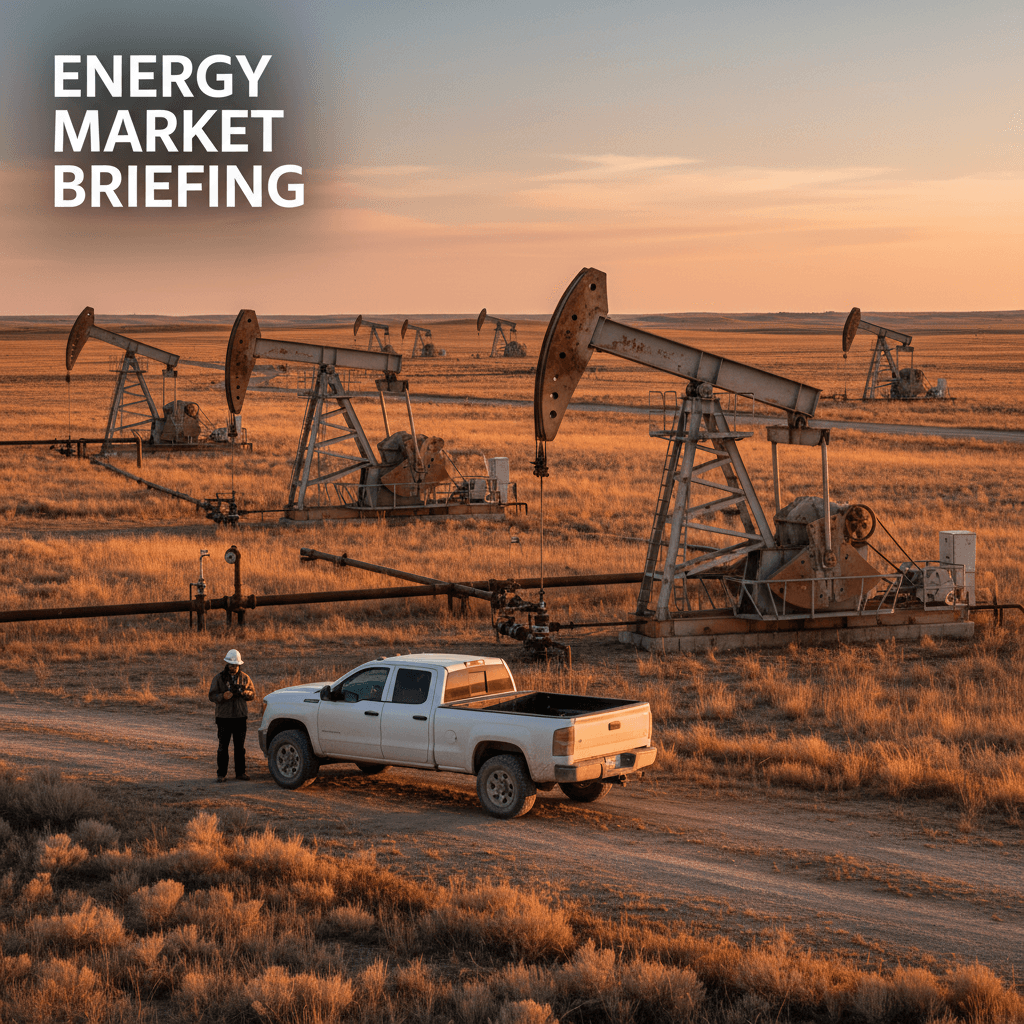
The supply shock is generating windfall profits for producers globally, but key competitors to Bakken crude are signaling restraint. Canadian oil and gas companies expect robust profit growth from the supply squeeze but will not use the windfall for increased investment, Reuters reported via OilPrice.com. Cenovus CEO Jon McKenzie stated the high prices would have no "strategic or long-term impacts on anybody's operating plans."
Canadian drillers cite uncertainty over how long prices will remain elevated and, critically, a lack of pipeline capacity. Tamarack Valley Energy CEO Brian Schmidt said all existing pipelines are operating at maximum capacity, and more would be needed to export additional crude. Carbon taxes also present a substantial problem, with the industry warning that beyond a certain point, the only way to reduce emissions is by capping production.
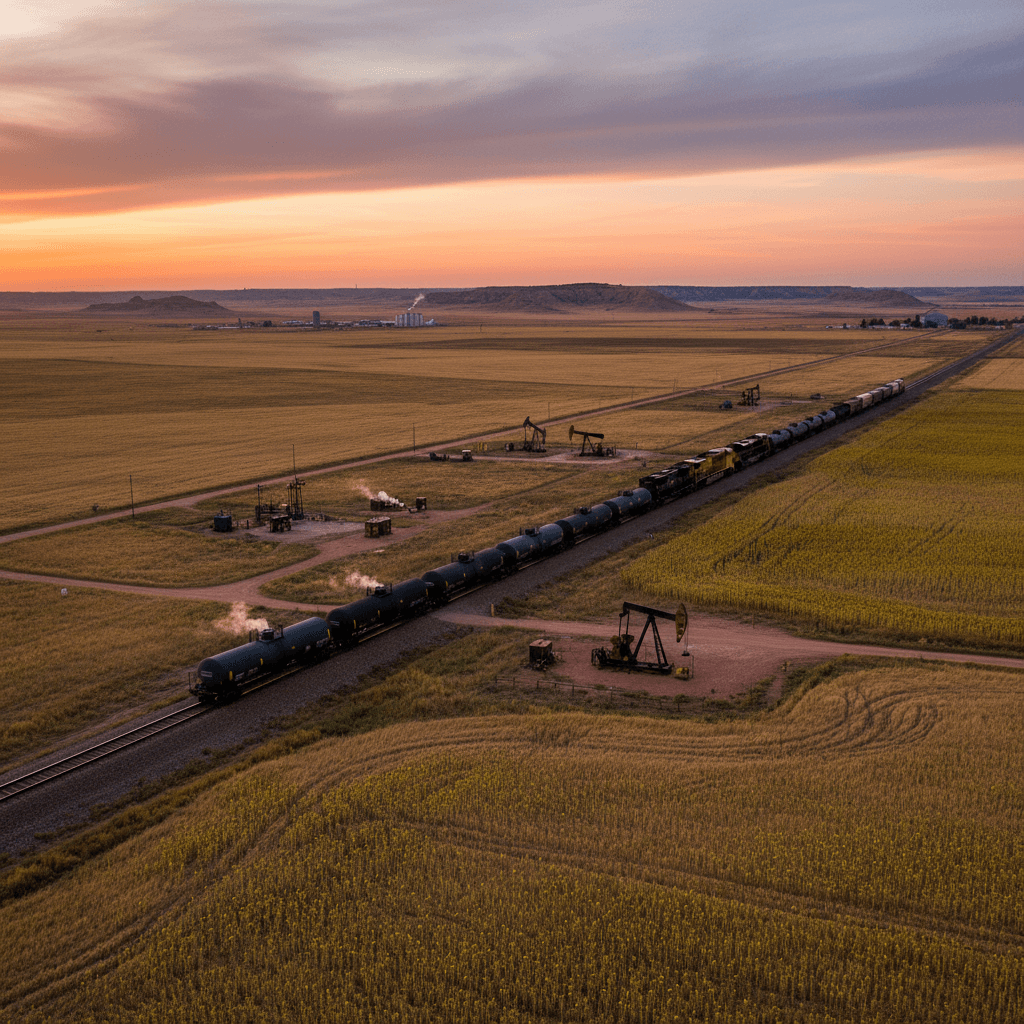
For Bakken operators, the continued blockade and resulting tight global supply support stronger price differentials for North Dakota light sweet crude. The caution from Canadian producers, a major source of competing heavy crude imports to the U.S., suggests no imminent surge in production from the north that would pressure Bakken market share. However, the market remains poised on diplomatic developments, with President Trump's comments introducing volatility to the price outlook.
Source
OilPrice.com reports from April 15, 2026.