Global Supply Shocks Highlight Value of Bakken Stability
As Hormuz blockade strains global fuel supplies, North Dakota marks 75 years of domestic oil production and secure infrastructure.
Global shipments of jet fuel have fallen to their lowest level on record, according to analysts at Kpler, with under 2.3 million tonnes shipped last week. The blockage of the Strait of Hormuz is threatening airline fuel supplies worldwide, OilPrice.com reported. UK Prime Minister Keir Starmer has warned that summer holidays could be cancelled, and airlines are scrambling for solutions, including potentially using U.S.-specification jet fuel to avoid flight cancellations.
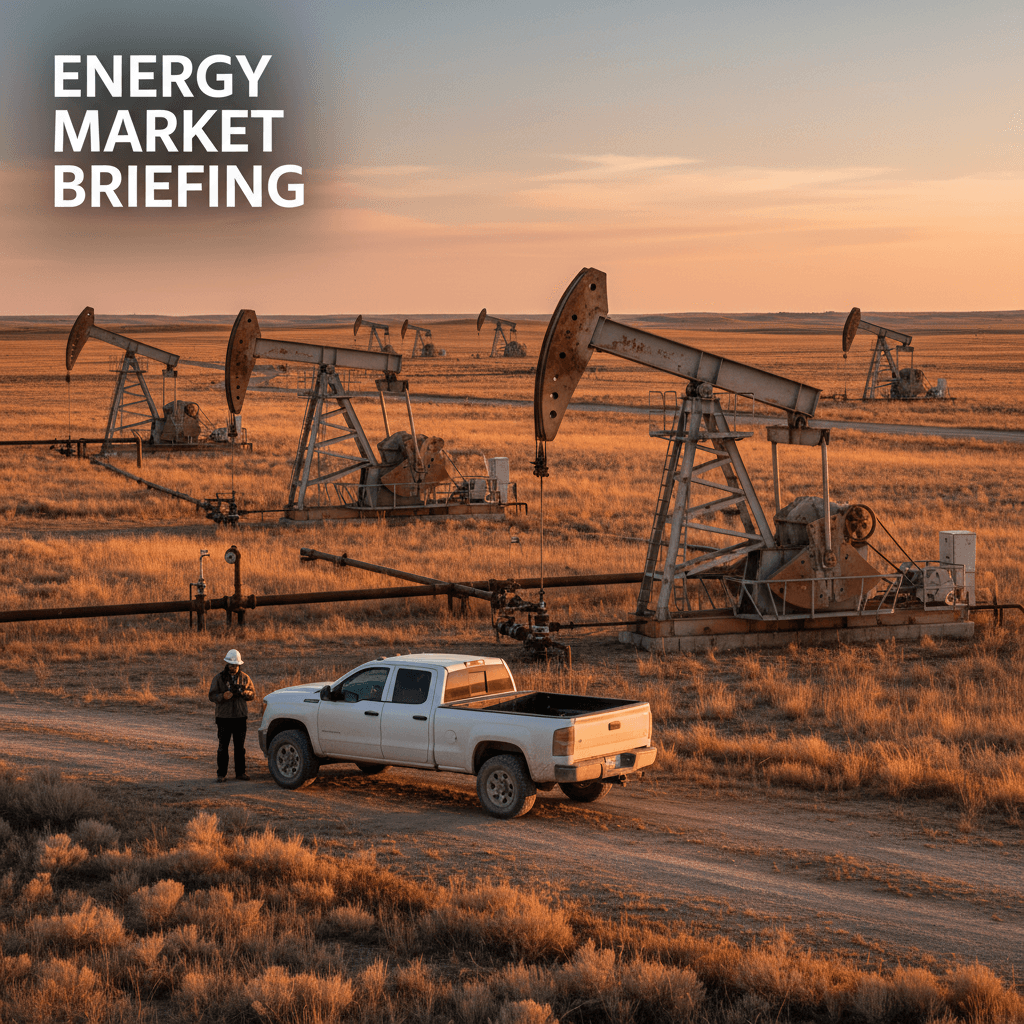
This international supply crisis underscores the strategic importance of stable, domestic production regions like the Bakken. The news coincides with a milestone for North Dakota's industry, which this year marks the 75th anniversary of its first major oil discovery at the Clarence Iverson #1 well near Tioga on April 4, 1951, according to a report from the Institute for Energy Research.
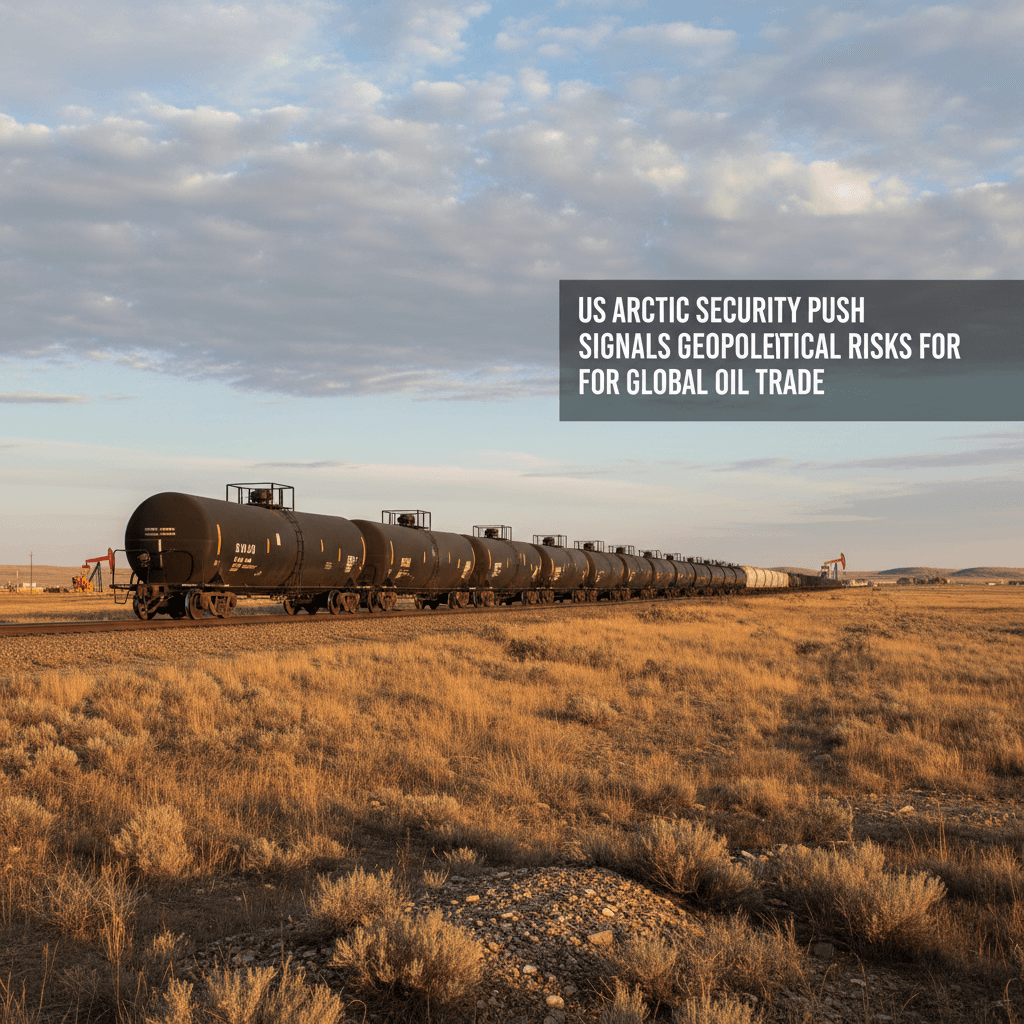
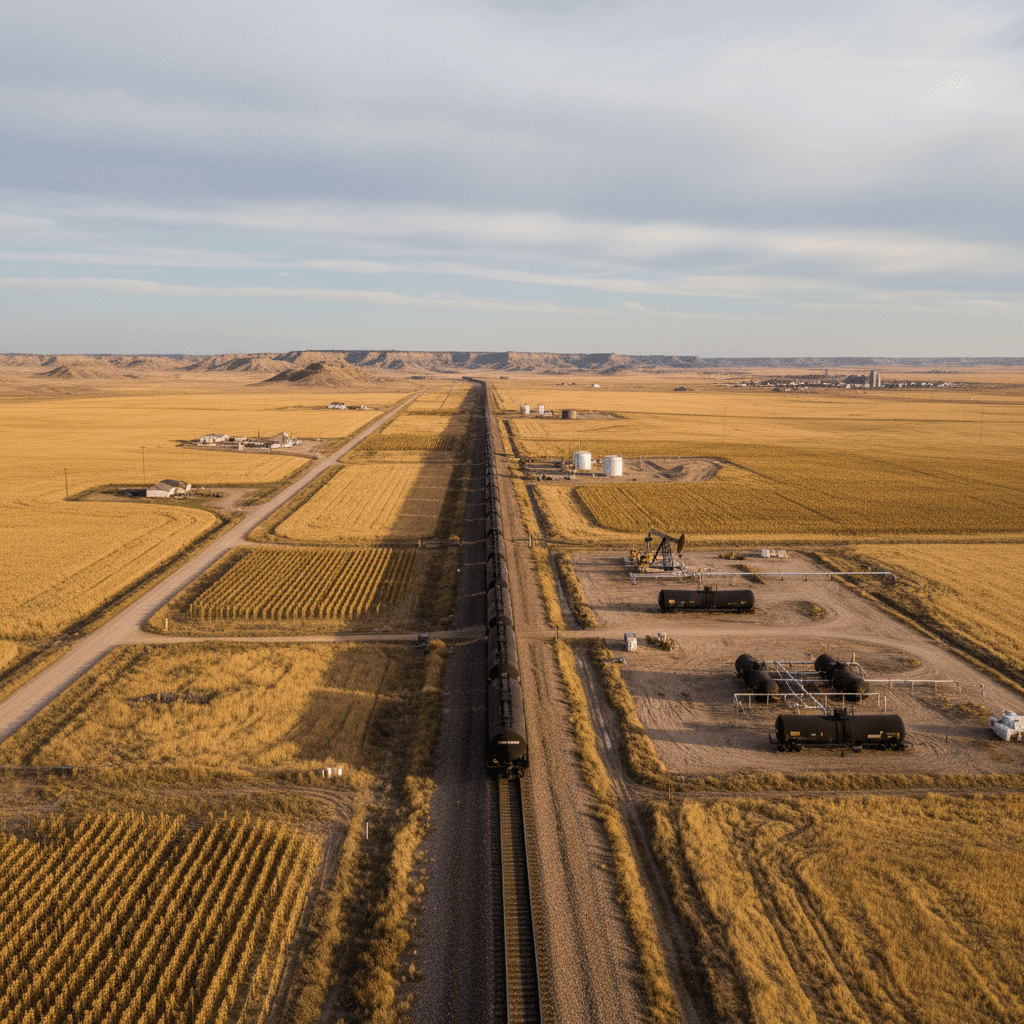
The modern Bakken boom, enabled by horizontal drilling and hydraulic fracturing, transformed the state into a top U.S. producer, reaching 1 million barrels per day in April 2014. Critical infrastructure, like the Dakota Access Pipeline (DAPL) completed in 2017, provides a secure conduit for Bakken crude to reach U.S. markets, insulating domestic supply chains from global chokepoints.
Meanwhile, Asian LNG markets are also facing disruption due to the closed Strait of Hormuz, with imports in March slumping to a seven-year low. In response, Japan's ENEOS has re-entered a joint venture with Malaysia's Petronas, taking a 10% stake in the Malaysia LNG Tiga project to secure long-term supply, OilPrice.com reported. Petronas executives cited the need for stable supply and long-term partnerships for regional economic resilience.
For Bakken operators, the global turmoil highlights the enduring value of the region's established production and integrated pipeline system. North Dakota's energy history, which includes the creation of the voter-approved Legacy Fund in 2010 to save oil and gas tax revenue for future generations, demonstrates a long-term framework that contrasts with current international instability.
The concurrent supply shocks for refined products like jet fuel and global commodities like LNG reinforce the role of secure domestic production. As global carriers like IAG, owner of British Airways, announce price hikes to reflect higher fuel costs, the reliability of inland U.S. supply basins becomes a competitive asset.
Source
Institute for Energy Research, OilPrice.com