Global Tech, Ports, and Strait Premiums Shape Bakken's Export Outlook
Advancements in nuclear energy, a stalled Chinese port project, and volatile Persian Gulf insurance rates create a complex global backdrop for Bakken crude flows.
A Florida-based firm's advancement in 3D-printed nuclear reactor technology highlights a global energy transition that could reshape long-term demand for fossil fuels like Bakken crude. According to OilPrice.com, AMPERA successfully fabricated a nuclear reactor module using a 3D printer, aiming to build the first entirely factory-built, subcritical, and solid-state thorium-powered system. AMPERA's CEO, Brian Matthews, stated this "sets the foundation for factory-built, mass-produced nuclear energy." For Bakken producers, the accelerating development of safer, more abundant thorium reactors represents a potential future challenge to oil's dominance in the power generation sector, though the technology remains in development.
Separately, a major Eurasian infrastructure project critical for alternative trade routes has hit a snag. OilPrice.com reports that China has walked away from Georgia's strategic Anaklia Deep Sea Port project. The Georgian government now plans to develop the port under a state-owned "landlord" model. This port is key to the Middle Corridor, a trade route linking Asia and Europe that bypasses Russia. Economy Minister Mariam Kvrivishvili called the port "internationally significant as a strategic infrastructure project." The failure of Chinese investment introduces uncertainty into the development timeline, with a target for the first phase now set for 2029. For Bakken crude exports seeking diverse routes to global markets, delays in such infrastructure could limit future optionality away from traditional chokepoints.
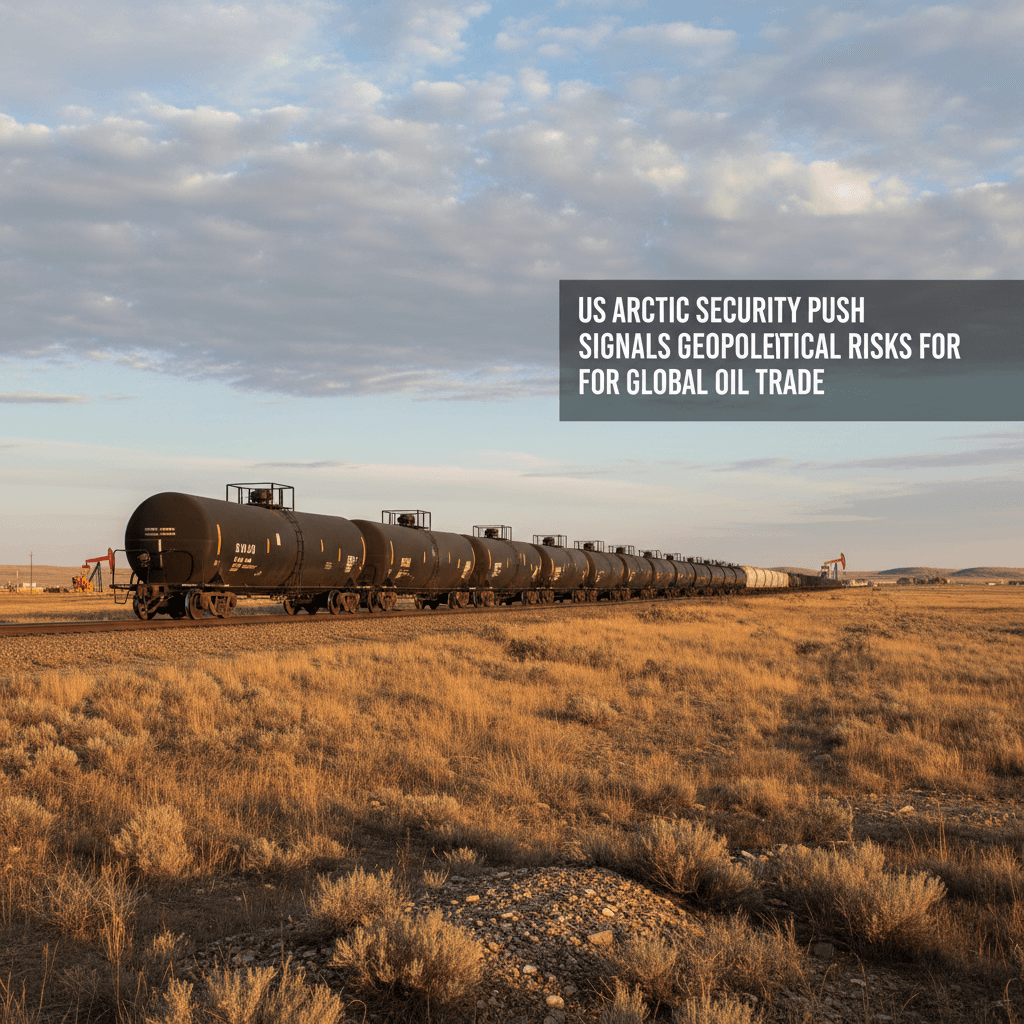
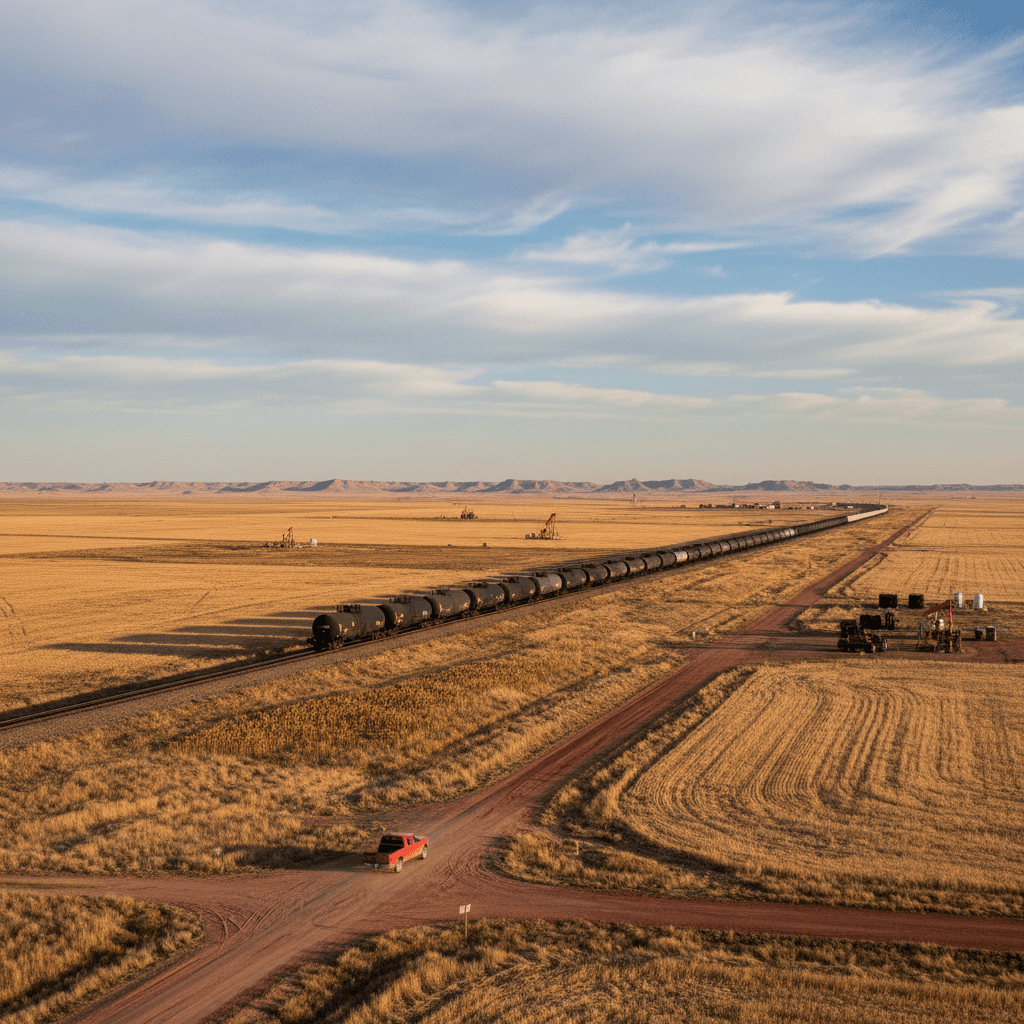
One of those traditional chokepoints, the Strait of Hormuz, is seeing shifts in risk assessment. According to Rigzone, London marine insurers are reporting fewer inquiries for journeys transiting the strait, and some said the cost of cover had risen. While the summary did not specify reasons, fluctuations in insurance premiums for this critical waterway directly impact the cost of shipping crude oil from the Middle East. Any sustained increase in the cost or perceived risk of moving oil through Hormuz can enhance the relative competitiveness of secure, non-OPEC crude supplies like those from the Bakken, which are shipped primarily via North American pipelines and rail.
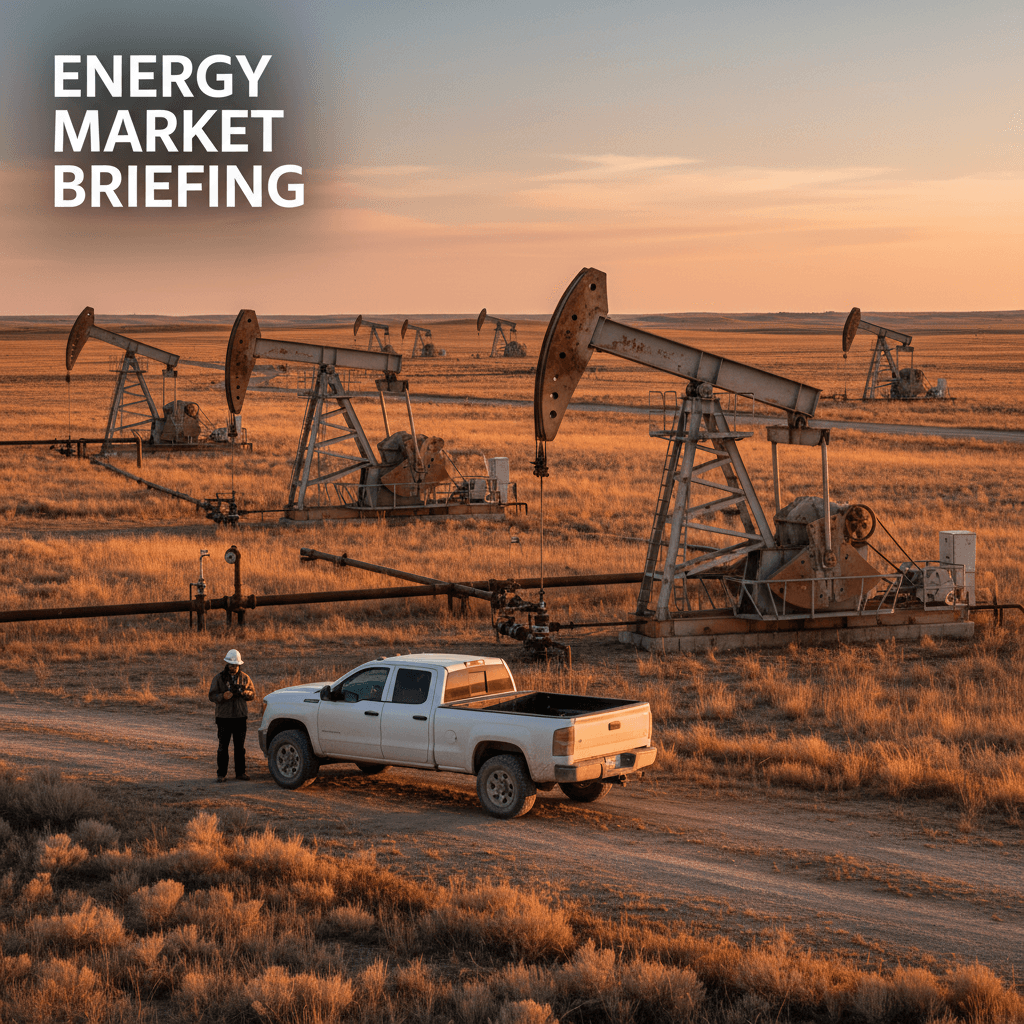
Together, these global developments sketch a landscape of both risk and potential advantage for North Dakota's oil industry. The push for next-generation nuclear energy underscores a long-term pivot that could pressure hydrocarbon demand. Concurrently, geopolitical maneuvering around trade corridors and persistent volatility at key maritime bottlenecks reinforce the value of stable, domestic production from the Williston Basin. Bakken operators must navigate a world where energy innovation and shifting trade routes are as influential as the daily price of a barrel.
Source
OilPrice.com (America's Answer to China's Molten Salt Reactor; China Walks Away From Georgia's Strategic Deep-Water Port Project), Rigzone (Hormuz Ship Insurance Demand Drops)