Global Tensions Fuel Oil Volatility as Standing Rock Anniversary Marked
Iran-US standoff keeps Hormuz closed, supporting prices, while Dakota Access Pipeline marks 10 years since protests.
Global oil prices remained volatile Friday, closing a second consecutive week of gains as a military and diplomatic stalemate between the U.S. and Iran continued to block the vital Strait of Hormuz, according to Rigzone. The closure of the strait, which handled a fifth of the world's oil and LNG before the conflict, is contributing to a global energy crisis and supporting benchmark prices, with Brent crude trading around $110 a barrel and West Texas Intermediate near $102.
The key leverage point is control of the strategic waterway, with both sides signaling they are waiting for the other to move first to ease restrictions, Rigzone reported. Iran delivered a new proposal to the U.S. via Pakistan on Friday, but its contents were not disclosed. U.S. President Donald Trump vowed to maintain a naval blockade of Iranian ports, claiming it deprives Tehran of oil revenue. In response, Iranian officials argue the blockade is further pushing up oil prices.
The uncertainty has led to sharp price swings and depressed trading volumes, Rigzone reported. Analysts note the prolonged closure will continue to drain global storage and require higher prices to balance the market through demand destruction. Chevron CEO Mike Wirth stated the global energy system remains "under extreme stress" due to supply concerns.
Meanwhile, in North Dakota, Friday marked nearly a decade since the start of the historic Standing Rock movement against the Dakota Access Pipeline (DAPL). According to a report from ICT published May 1, the 1,176-mile pipeline, which crosses the Missouri River less than a mile north of the Standing Rock Sioux Reservation, continues to move between half a million and 750,000 barrels of crude oil per day and has plans to increase that volume.
The pipeline operator, Energy Transfer Partners (now Energy Transfer), and the Army Corps continue to be challenged by the Standing Rock Sioux Tribe, which seeks more information on the pipeline's condition and any leaks, the report stated. Tribal leaders reflected on the 2016-2017 protests, which drew support from citizens of 250 federally recognized tribes and international allies, calling it an awakening not seen since the Civil Rights Movement.
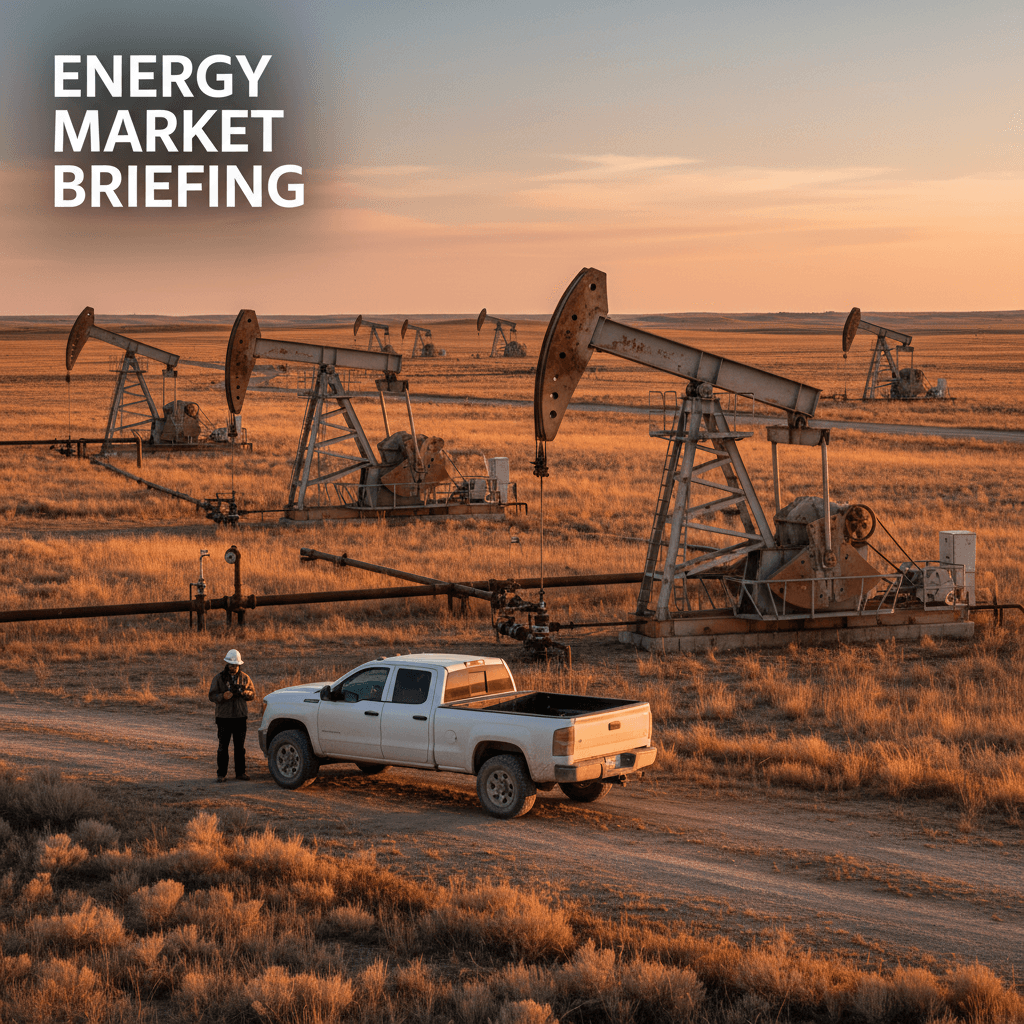
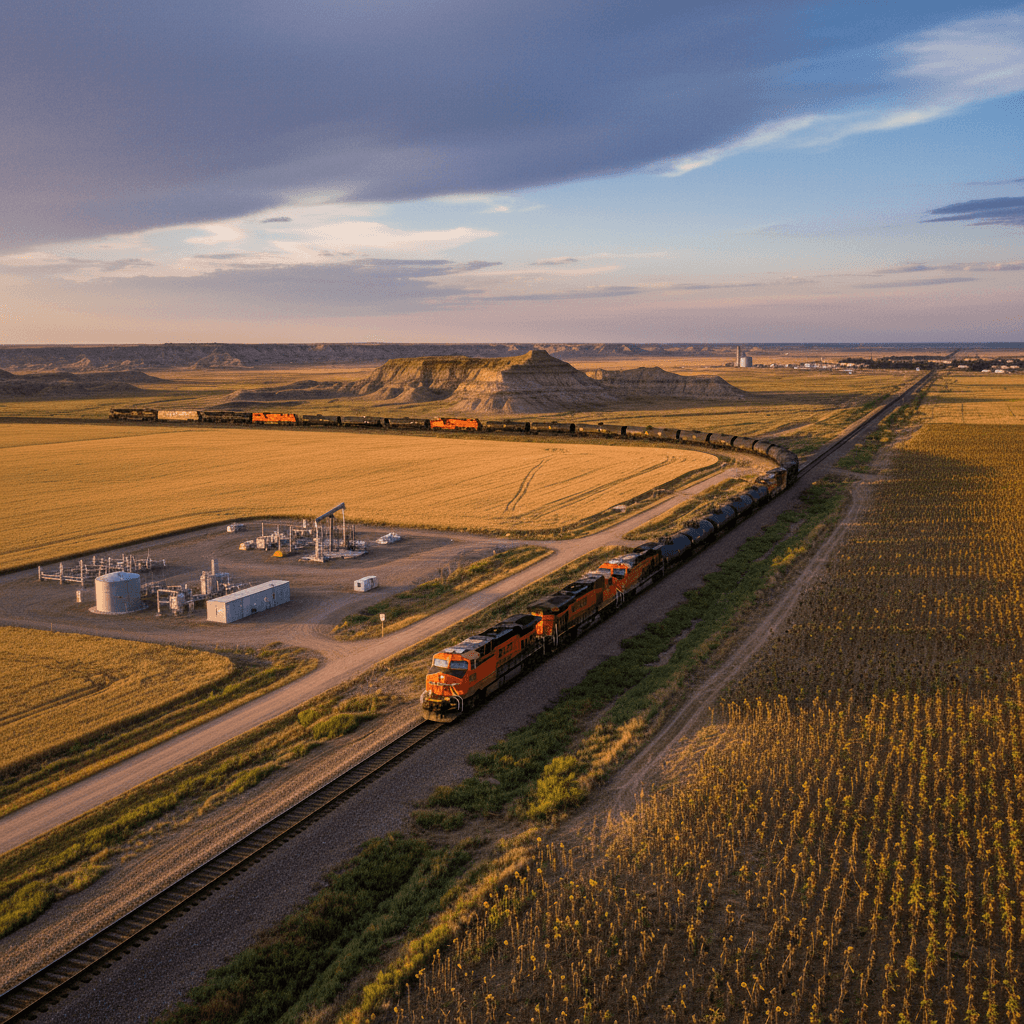
For Bakken operators, the sustained geopolitical risk premium from the Middle East conflict provides continued revenue support for crude exports, though it also contributes to market instability. The ongoing operation and planned capacity expansion of DAPL, a critical export conduit for Bakken crude, underscores the region's continued reliance on the infrastructure that was the focal point of the decade-old protests.
Source
ICT, Rigzone