Global Tensions Impact Energy Markets as US Revives Hydrogen, DAC Funding
A Pakistan tanker crosses a blockaded Hormuz, the US spares $5B in hydrogen hub funds, and Israel-Turkey tensions simmer, creating a mixed backdrop for Bakken operators.
A Pakistan-flagged oil tanker has crossed the strategic Strait of Hormuz for the first time since a U.S. naval blockade began on Monday, April 14, according to a report from Rigzone. The Aframax tanker Shalamar, carrying approximately 450,000 barrels of crude loaded in the UAE, exited into the Gulf of Oman late Thursday, April 16, signaling Karachi as its destination. The crossing is notable as transits through the vital chokepoint have been in single digits since late February, and the U.S. blockade requires clearance from both Iranian and American authorities. The U.S. Central Command reported that fourteen vessels have turned around in three days since the blockade was implemented.
Separately, the Trump administration has decided to preserve nearly $5 billion in funding for regional hydrogen hubs, reversing earlier plans for cancellation, Rigzone reported. An Energy Department list provided to Congress on Wednesday, April 15, details funding awards it plans to "retain or modify," including the hydrogen networks in Texas, Appalachia, the mid-Atlantic, and the Midwest. These hubs, initially awarded $7 billion by the Biden administration in 2023, involve major companies like Exxon Mobil, Chevron, and EQT. The list also revives funding for two direct-air capture projects, including one by Occidental Petroleum, and a carbon-capture cement plant.
Meanwhile, geopolitical friction is rising between U.S. allies, as reported by OilPrice.com. Israeli efforts are attempting to turn Washington against Turkey by publicly trying to tie Turkish President Erdogan to Iran and its proxies. The report states that Israeli propaganda is targeting Turkey's role in NATO, using think tanks to push a narrative linking Ankara to Hamas and the Muslim Brotherhood. Ankara is fighting back against these rumors, which aim to create a wedge between the two allies at a critical time.
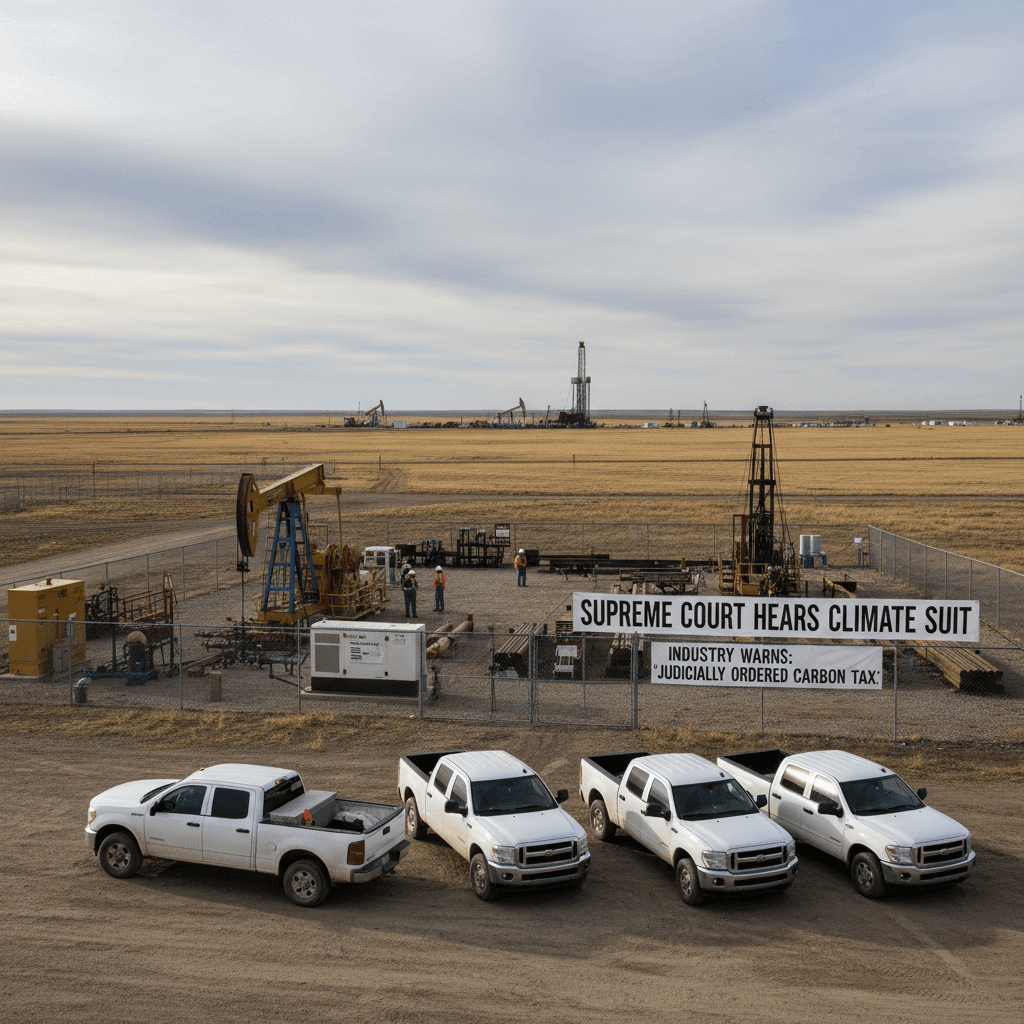
For Bakken operators and royalty owners, these developments underscore a volatile global energy landscape. The continued disruption at Hormuz, a chokepoint for roughly 20% of global oil trade, supports a risk premium on crude prices, which benefits local production economics. Domestically, the reaffirmation of federal funding for hydrogen and carbon capture projects signals continued, though shifting, government support for energy transition technologies that major Bakken players are investing in. The escalating rhetoric between Israel and Turkey, both key U.S. partners, adds another layer of geopolitical uncertainty that can influence oil market sentiment and foreign policy affecting energy trade.
Source
Rigzone (Pakistan Oil Tanker Is First to Cross Hormuz since US Blockade, published April 17, 2026; Trump List of Saved Projects Spares $5B Hydrogen Hubs, published April 16, 2026), OilPrice.com (How Israel Is Trying to Turn Washington Against Ankara, published April 17, 2026)