Global Volatility, Truce Extension Shape Bakken Oil Price Outlook
North Dakota crude commands premium as Iran conflict drives market swings; Trump extends ceasefire but maintains blockade.
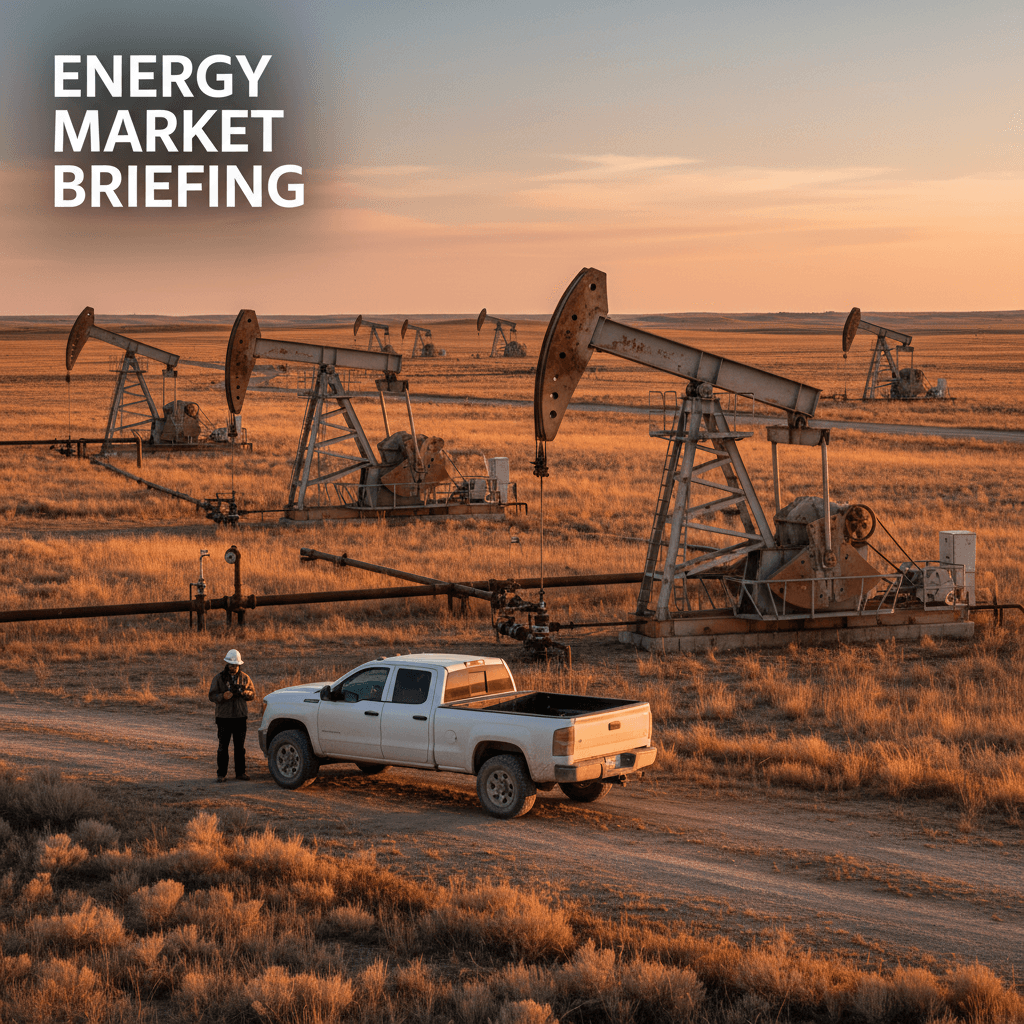
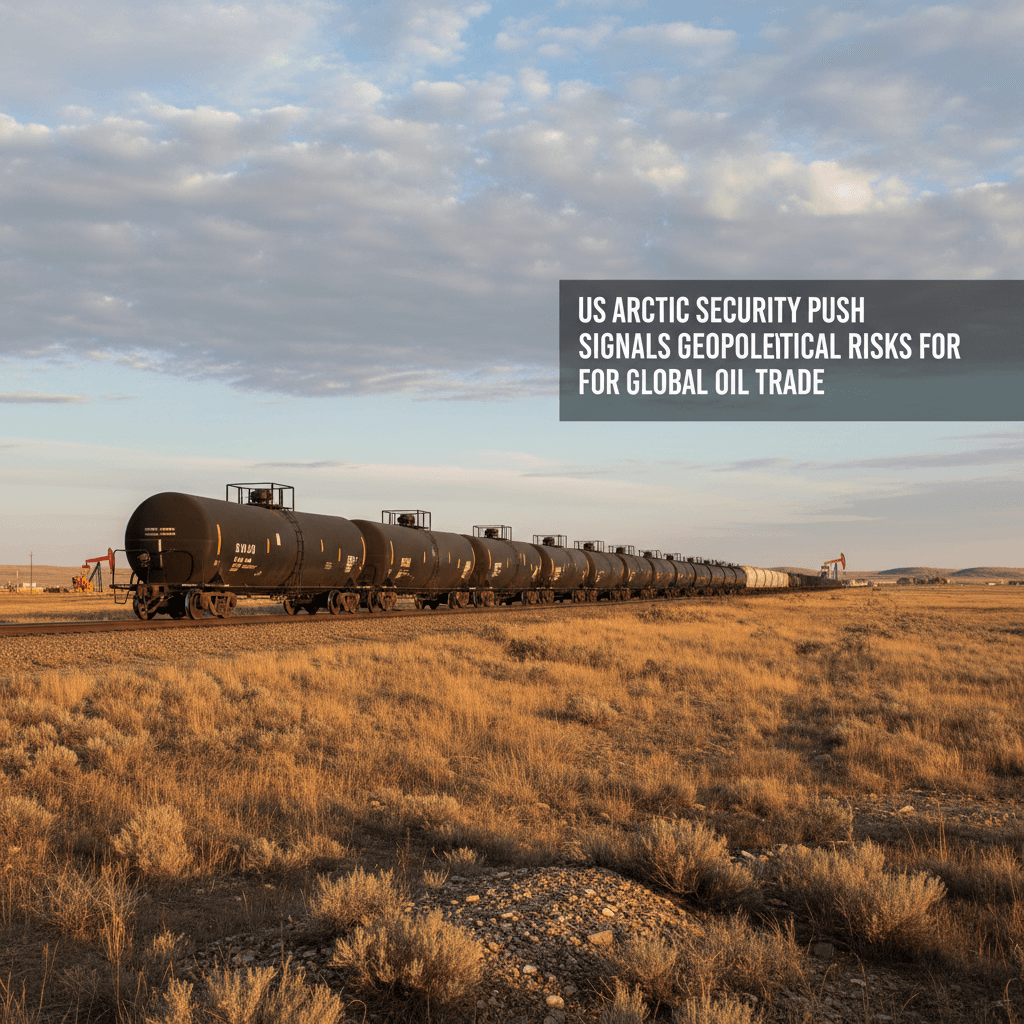
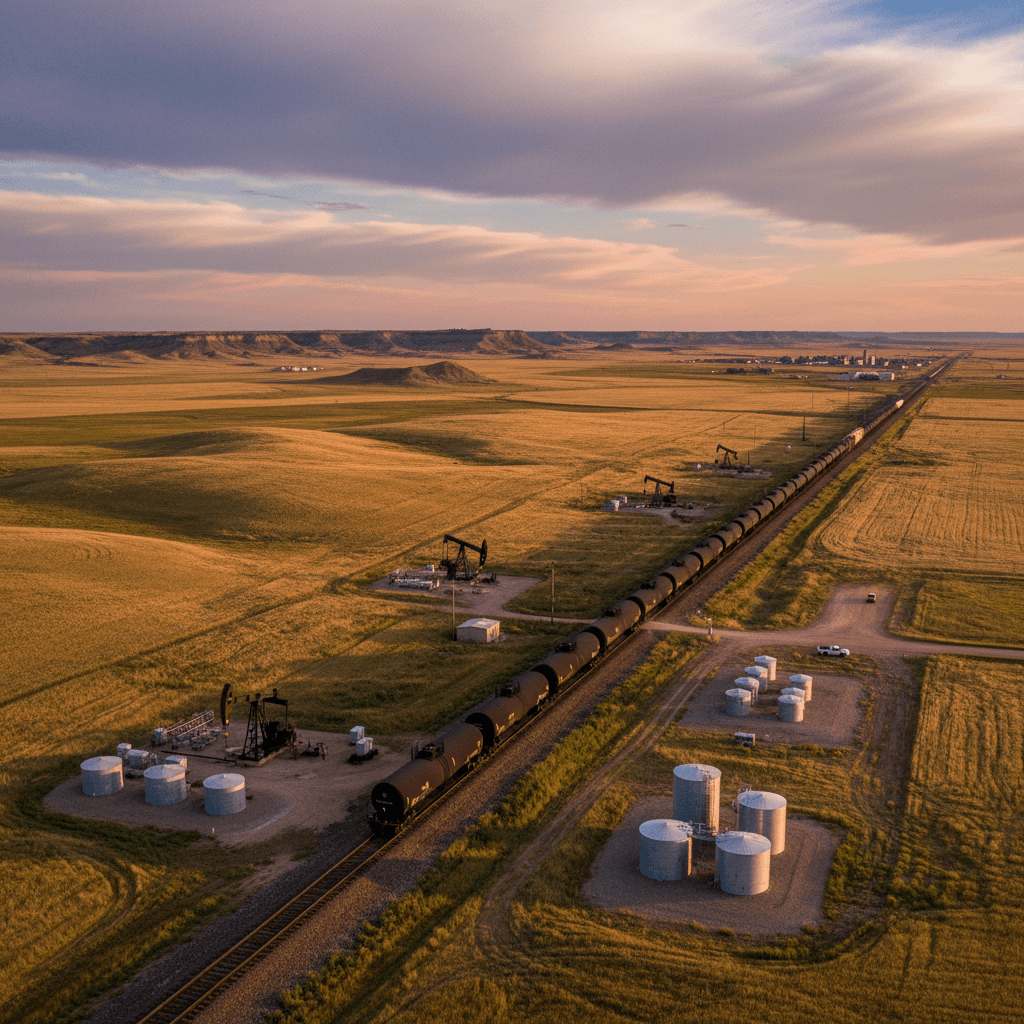
North Dakota crude oil shipped on the Dakota Access Pipeline is fetching a premium of nearly $7 per barrel over a key U.S. benchmark amid extreme volatility caused by the ongoing conflict involving Iran, according to state officials. Justin Kringstad, director of the North Dakota Pipeline Authority, and Nathan Anderson, director of the North Dakota Department of Mineral Resources, provided the update during a monthly briefing on April 21, 2026.
The officials stated they are unsure why Bakken crude at its Illinois destination is commanding higher prices, but one possibility is its light, sweet quality makes it suitable for refining into high-demand products like jet fuel and diesel in markets such as Europe. "Royalty owners, the producers, the state, all share that uplift," Kringstad said, according to the North Dakota Monitor. Anderson added that while not all the premium may filter back, he suspects some portion does.
The market chaos is directly linked to the Iran war and the closure of the Strait of Hormuz, a maritime chokepoint for a fifth of global oil production. "Boy, this is largely dominated by the word volatility. That’s the way I would describe pricing over the last 50 days," Anderson said, noting a $20 price swing in just the past week depending on U.S.-Iran talks.
In the latest development, U.S. President Donald Trump indefinitely extended a ceasefire with Iran just before its expiration, while maintaining a naval blockade of the Strait of Hormuz, Rigzone reported on April 22. Planned peace talks fell apart after Iranian representatives refused to attend. Trump stated the ceasefire would last until Iran submits a new proposal "and discussions are concluded, one way or the other," and emphasized the blockade would remain.
Oil markets reacted to the prolonged uncertainty. Brent crude traded at about $98 a barrel after adding almost 9 percent in the two sessions prior to the announcement. Crude had traded below $60 in January before spiking as high as $119.50 in March following the war's start on February 28.
For Bakken operators, the volatile but high-price environment is influencing activity. Anderson said the uncertainty is a key reason publicly-traded companies have not invested in new drilling, as their 2026 budgets are already set. He does not expect them to increase drilling activity until 2027. However, the number of rigs performing maintenance work has risen from 110 to 125 since last month, suggesting companies are optimizing existing wells. The state's active drilling rig count stands at 26, with companies indicating plans to add one or two more.
In other global energy news, the UK's North Sea Transition Authority (NSTA) is recruiting a new Chief Financial Officer and Director of Corporate Functions, Rigzone reported. The role, based in Aberdeen, Scotland, carries an annual salary of GBP 172,644 ($233,318) and oversees financial strategy and corporate functions for the regulator. The NSTA stated, "there couldn’t be a more important time to work in energy," highlighting its role in regulating oil and gas, carbon storage, and hydrogen.
Source
North Dakota Monitor, Rigzone