Grid Bottlenecks in Southeast Asia May Impact Long-Term Oil Demand Outlook
A new report highlights infrastructure constraints that could slow the region's power demand surge, as the EIA projects a widening global oil deficit for 2026.
A surge in power demand from data centers and electric vehicles in Southeast Asia faces significant delays due to grid bottlenecks, a development with long-term implications for global energy balances and Bakken crude oil markets. According to a report released Monday by Bain & Company and Standard Chartered, about 100 terawatt-hours of incremental power demand is expected from the region by 2030, but slower grid infrastructure development could slow the rollout.
The report states that new power demand is set to materialize within one to three years, but the legacy grid development cycle needs 5 to 15 years. "Grid constraints are emerging as a binding bottleneck," said Patrick Lee, CEO Singapore and CEO ASEAN and South Asia at Standard Chartered, in the report. Limited transmission capacity risks constraining further data center investment, according to a separate survey by Bain in February 2026.
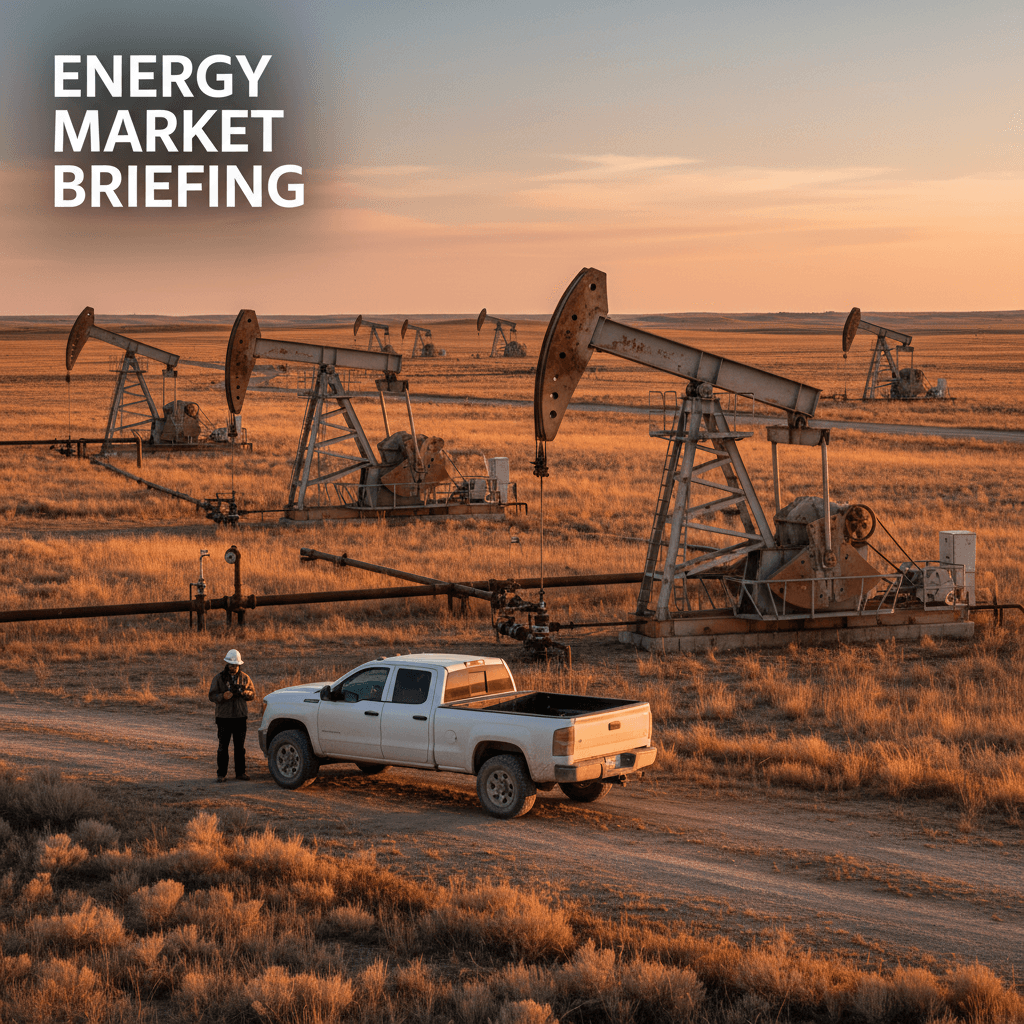
For Bakken producers, a slowed electrification transition in a major growth region could influence long-term forecasts for oil demand. While the immediate market focus remains on current supply and demand, the pace of energy transition in developing economies is a key variable for future crude pricing. The report notes that if grid bottlenecks were resolved, an additional $70 billion of clean energy and grid-related capital could be unlocked by 2030.
Separately, a tighter near-term oil market could provide price support for Bakken crude. According to Rigzone, the U.S. Energy Information Administration has widened its global oil deficit projection for 2026. A widening deficit typically suggests stronger fundamentals for oil prices, which directly benefits North Dakota operators and royalty owners.
The Bain and Standard Chartered analysis underscores a "new calculus" for energy investment. "Capital is flowing where commercial demand, energy security and policy that delivers infrastructure come together, and stalling where any of the three is missing," said Dale Hardcastle, Partner at Bain & Company. The report warns that Southeast Asia has 24 to 36 months to address these issues, with an additional $80 billion in green capital expenditure in the balance.
The interplay between immediate supply deficits and long-term demand uncertainties creates a complex backdrop for Bakken operators. While the EIA's deficit outlook points to supportive pricing, structural reports on demand growth in key regions highlight potential future headwinds, emphasizing the need for operational efficiency and cost discipline in the Williston Basin.
Source
OilPrice.com, Rigzone