Iran Conflict Strains LNG, Crude Supply, Lifting Global Energy Prices
Disruptions to Middle East shipping and LNG infrastructure threaten winter supplies, boosting oil and gas benchmarks with implications for Bakken crude pricing.
The escalation of the US-Iran conflict and the effective closure of key Middle East shipping straits are driving up global natural gas and oil prices, according to reports from OilPrice.com. The disruptions threaten to delay a recovery in Asian fuel production and squeeze European gas supplies this winter, creating a tighter global energy market that supports the price floor for Bakken crude.
According to OilPrice.com, the resumption of hostilities has severely restricted traffic through the Strait of Hormuz, a chokepoint for roughly 20% of the world's oil and gas. Only 26 liquefied natural gas (LNG) cargoes have left the Gulf since the conflict began on February 28, compared to a typical monthly rate of 90-100. The parallel threat to the Bab el-Mandeb Strait, which normally sees 7% of global oil output, further compounds supply concerns.
The crisis has sent European and Asian gas benchmarks soaring. The Dutch TTF gas price briefly rose above €60 per megawatt-hour, near peaks seen at the start of the conflict. The Platts JKM benchmark for LNG delivered to North Asia surged from about $15 in early May to $21.35, its highest level since December 2022. Analysts at Independent Commodity Intelligence Services (ICIS) warned that European gas storage is less than 54% full, compared to 64% at the same point last year, and prices above €60 could trigger costly state intervention.
Physical damage to LNG infrastructure is also contributing to a long-term supply shortfall. Iranian strikes reportedly hit Ras Laffan LNG Trains 4 & 6 and Pearl GTL Train 2 in Qatar. Repairs are expected to sideline approximately 12.8 million tonnes per year of LNG capacity for three to five years, with the Pearl train requiring a year-long outage.
For Bakken operators, the global price support comes as Asian refiners face potential delays in crude deliveries. OilPrice.com reported that Asian refiners betting on a flood of Middle East crude in August are now seeing loadings and delivery schedules upended. One Chinese refinery executive told Reuters that delays could postpone a ramp-up in fuel production, as Chinese crude processing in June crumbled to pandemic lows amid the disruptions.
The geopolitical shift is also altering energy alliances. OilPrice.com cited analysis that Southeast Asian nations, deeply dependent on Middle Eastern oil, are being pushed toward alternative suppliers like Russia. The Philippines, which imports over 90% of its oil from the Middle East, has sought to increase Russian crude access, a move analysts say could be replicated by other neutral nations in the region.
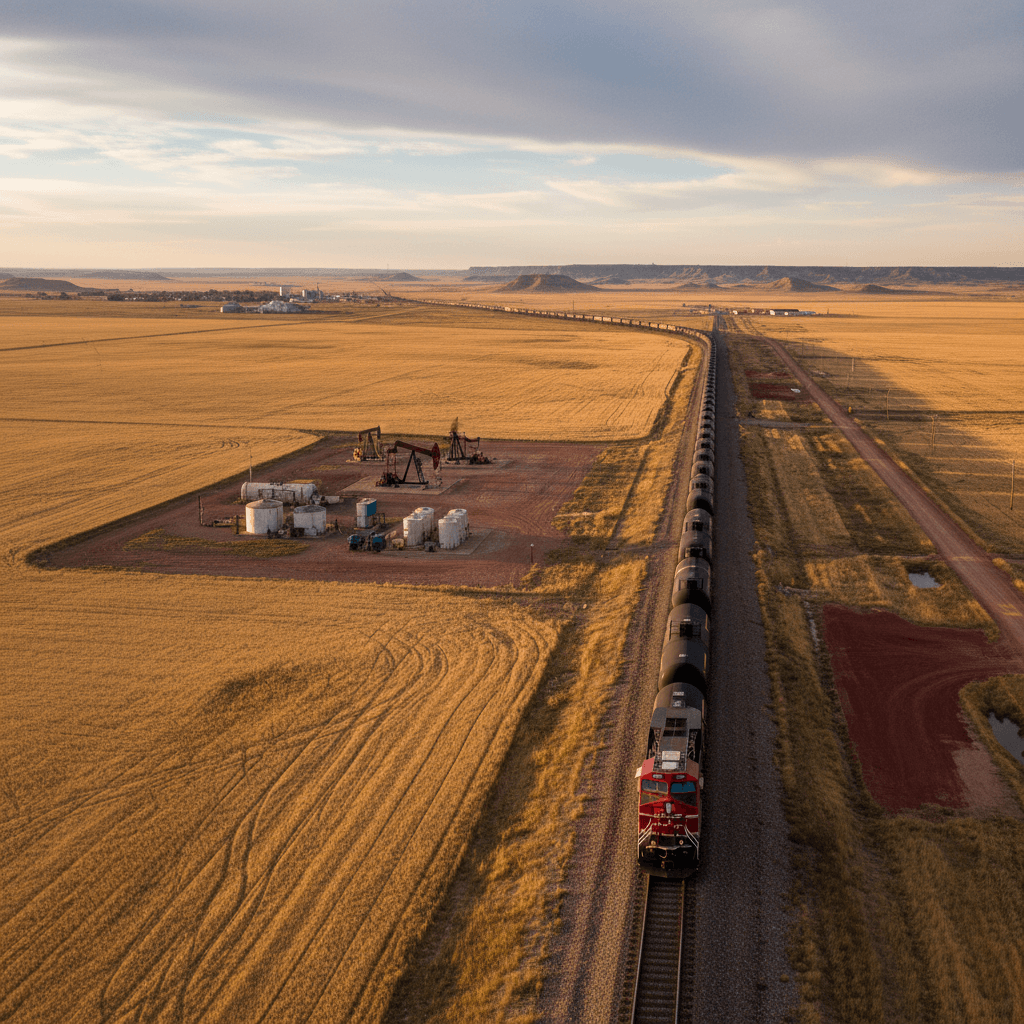
While the articles do not specify direct impacts on Williston Basin operations, the sustained upward pressure on global oil and gas benchmarks provides a favorable pricing environment for Bakken producers. The constriction of LNG and crude supplies from the Middle East reduces global inventory buffers, increasing the relative value of secure, non-OPEC production from stable regions like North Dakota.
Source
According to reporting from OilPrice.com.

