Iran War Spurs EV Interest, Strains Global Oil Supply
Rising global oil prices and supply disruptions could accelerate a midterm shift to electric vehicles, impacting long-term demand for Bakken crude.
The war in Iran is creating a dual pressure point for Bakken crude producers: it is simultaneously driving up near-term oil prices while potentially accelerating a long-term consumer shift away from fossil fuels. According to OilPrice.com, the conflict has severely disrupted oil trade through the Strait of Hormuz, a chokepoint for roughly a fifth of the world's oil and liquefied natural gas. This has led to global supply shortages and rising energy prices in recent weeks.
These high prices are now sparking renewed consumer interest in electric vehicles (EVs) as an alternative to gasoline-powered cars. Multiple car-sale platforms in the U.S. and Europe have reported a significant rise in EV inquiries since the conflict began in late February. On March 26, Autotrader stated that inquiries for new EVs had risen by 28 percent, while used EV inquiries increased by 15 percent. Leasing inquiries at Octopus Electric Vehicles reportedly jumped 36 percent over a similar period.
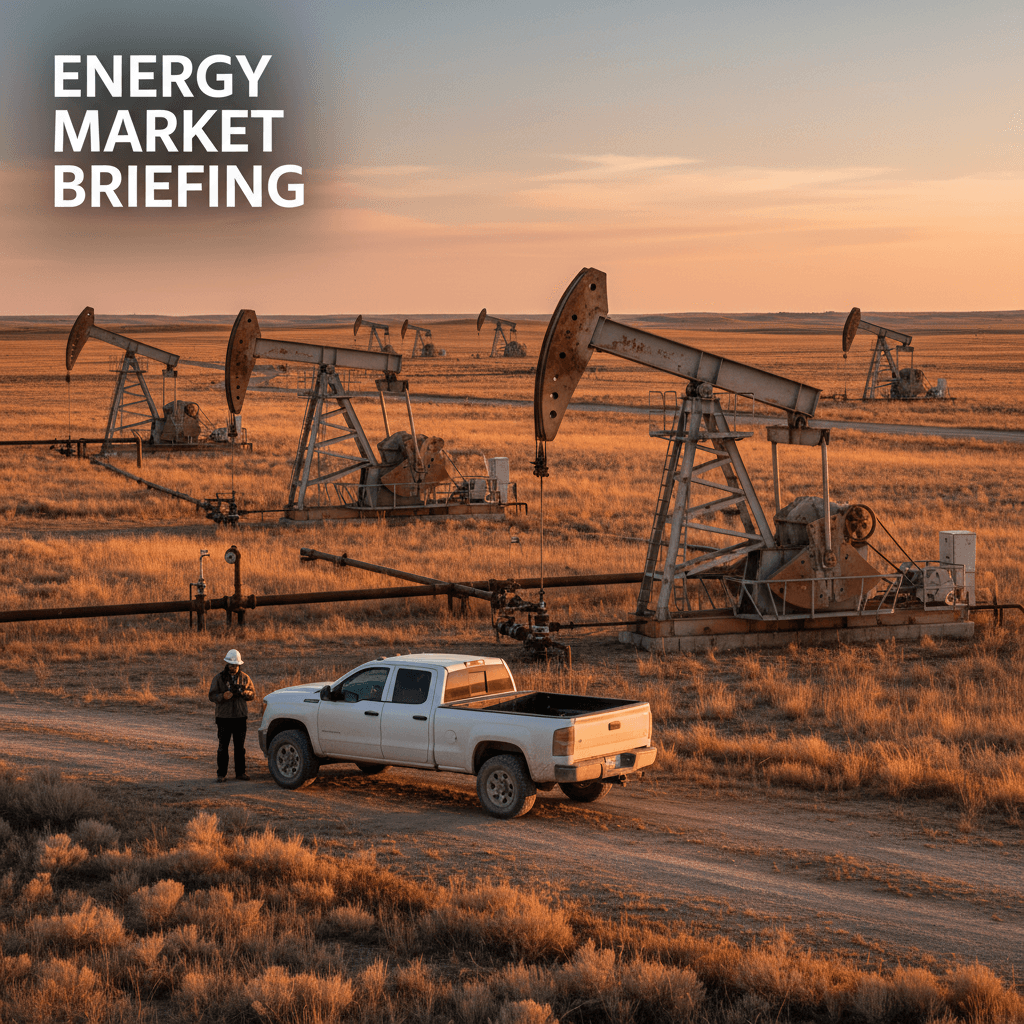
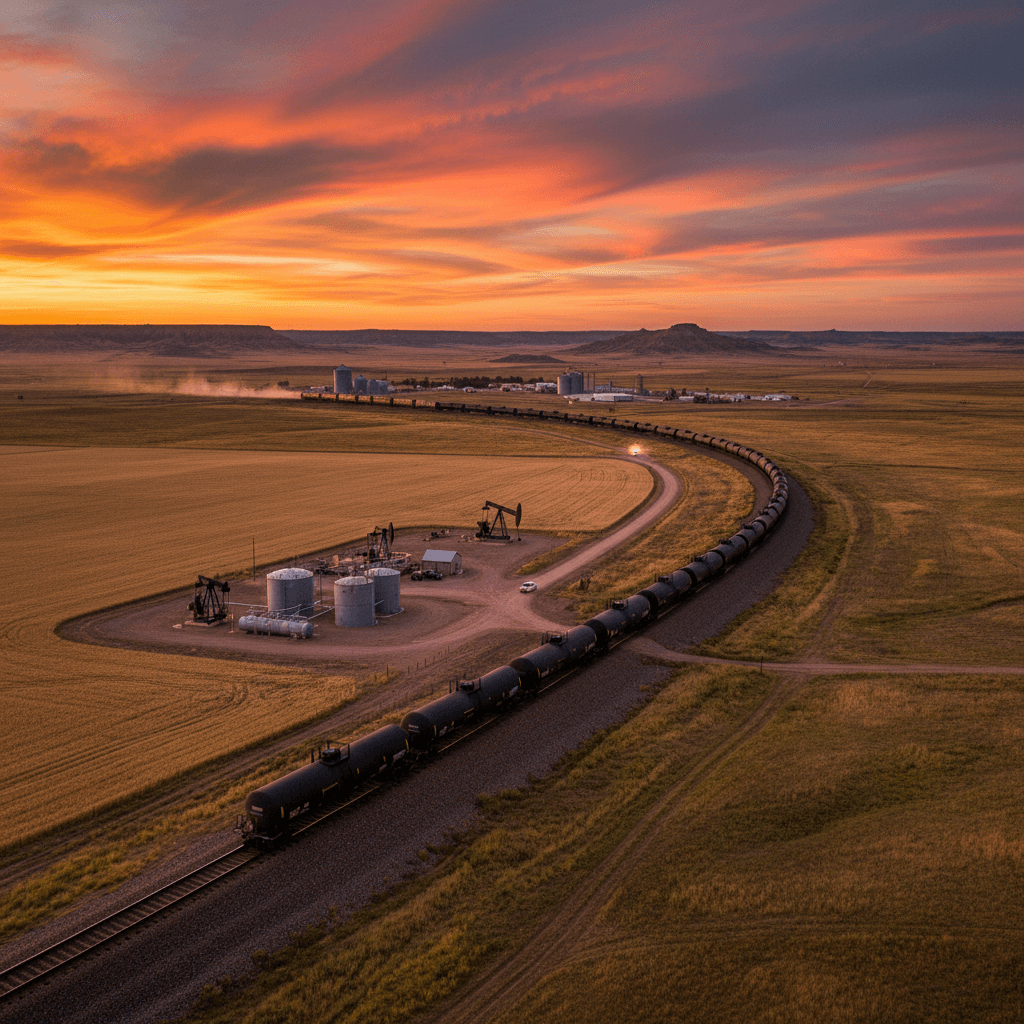
For North Dakota's oil industry, the dynamic presents a complex outlook. Elevated global crude prices typically benefit Bakken operators through higher wellhead revenues. However, a sustained consumer move toward EVs could dampen long-term demand forecasts for the light, sweet crude produced in the Williston Basin.
Analysts caution that any demand shift will be gradual. "Yes, elevated oil prices and the renewed focus on energy security are likely to provide a midterm boost to BEV [battery electric vehicle] demand," said Steffen Michulski, a senior consultant at JATO Dynamics, in a statement to OilPrice.com. "But this is best understood as an incremental shift rather than a sudden market-wide acceleration."
The precarious situation in the Strait of Hormuz was underscored by a rare transit of a Russian-flagged supertanker through the waterway into the Persian Gulf on April 10, as reported by Rigzone. The passage highlights how global traders are scrutinizing every movement through the war-impacted strait, with any further disruptions likely to keep upward pressure on oil prices.
The current environment echoes past cycles where oil price spikes spurred talk of energy independence and alternative fuels. For Bakken operators, the immediate effect of the Iran war is higher revenue per barrel. The longer-term risk is that sustained high prices could hasten the very transition—toward electric vehicles—that poses a demand challenge to the oil sector. This reinforces the importance for the basin's producers to maintain cost discipline and operational efficiency to remain competitive through volatile market cycles.
Source
OilPrice.com, Rigzone