Libya Ramps Up Production, Hormuz Crisis Disrupts Global Flows
Global energy developments highlight supply growth and geopolitical risks affecting oil markets.
Libya has declared a major oil discovery commercially viable as it pushes to revive its industry with international partners, according to OilPrice.com. The Libyan National Oil Corporation (NOC) and Austrian firm OMV announced the "Essar" discovery holds an estimated 195 million barrels of oil and is expected to produce about 5,000 barrels per day. Development will be handled by the Zueitina Oil Operations Company.
The move is part of a broader campaign to bring international oil majors back to Libya following years of civil war. The country recently signed exploration deals with companies including Repsol, Eni, and QatarEnergy from its first major licensing round in 17 years. Libya's production has already climbed to roughly 1.4 million barrels per day, its highest in over a decade, with a target of 1.6 million bpd by the end of 2026.
Meanwhile, a renewed naval blockade by the United States against Iran is severely disrupting traffic through the critical Strait of Hormuz, OilPrice.com reported. U.S. forces reinstated the blockade after a ceasefire collapsed last week, leading to strikes on commercial vessels. Sanctioned Iran-linked LPG carriers, including the Glendale and Danuta I, have been observed making U-turns to avoid the blockade.
Tanker traffic through the strait has collapsed to a two-month low as owners fear Iranian attacks, with the regional threat alert raised to "severe." U.S. Central Command stated it had redirected three vessels, disabled one, and boarded another to enforce the blockade as of late Thursday. The disruption is stalling energy flows out of the Middle East.
The closure is forcing major importers to seek costly alternatives. Pakistan is planning to purchase additional spot liquefied natural gas (LNG) cargoes for July and August delivery after its term supplies from Qatar were disrupted, according to OilPrice.com. Pakistan LNG Ltd. recently bought a spot cargo at about $20.70 per million British thermal units, its highest price since 2022.
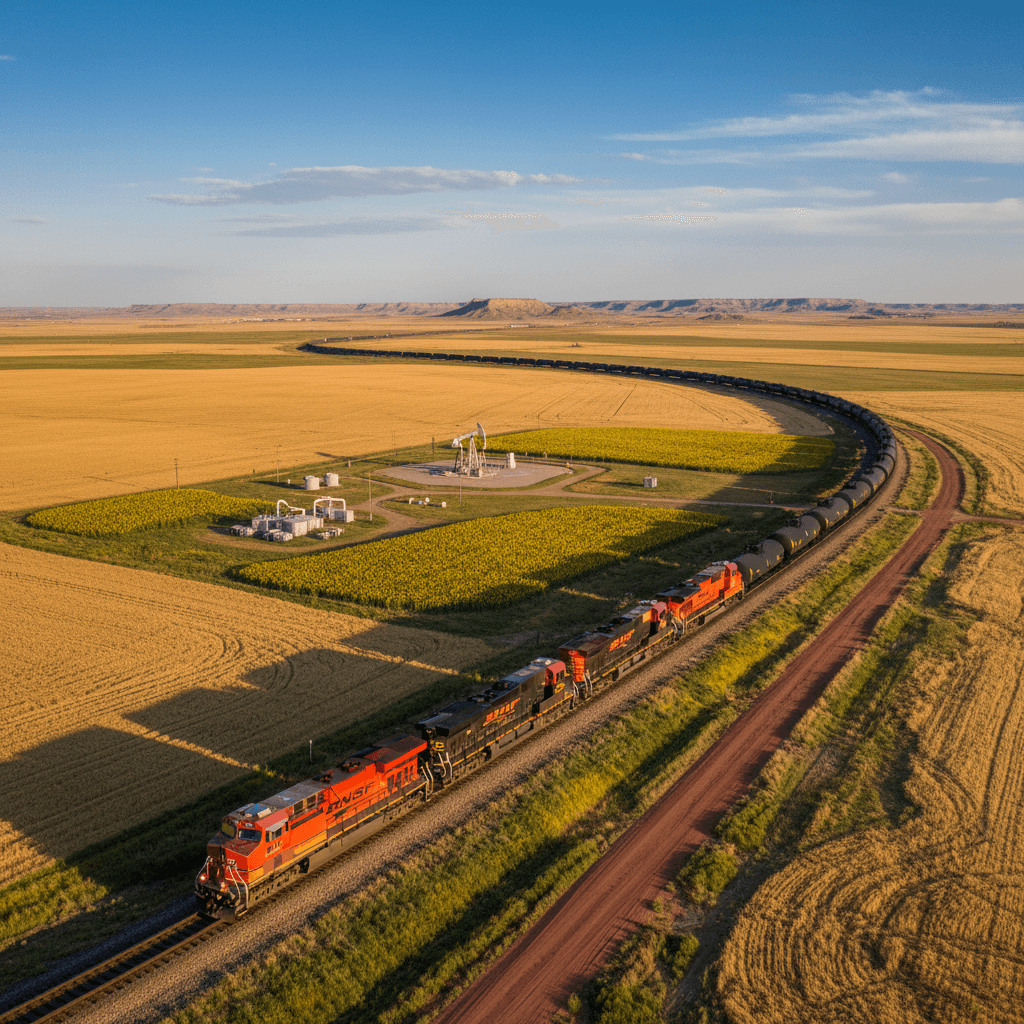
For Bakken operators, the simultaneous increase in Libyan production capacity and the potential for sustained supply disruptions from the Middle East creates a complex global price environment. Rising non-OPEC supply can exert downward pressure, while geopolitical flashpoints that constrain flows from the Persian Gulf provide underlying support for crude benchmarks.
Source
OilPrice.com reporting from July 17, 2026.