Middle East Risks, Global Supply Shifts Lift Oil Prices Above $76
Renewed U.S.-Iran strikes and supply disruptions abroad bolster crude benchmarks, providing a price tailwind for Bakken producers.
A resurgence of Middle East geopolitical risk has lifted global oil prices, with ICE Brent crude set to settle above $76 per barrel on Friday, July 10, 2026, according to OilPrice.com. The price increase of $4 per barrel this week is attributed to renewed U.S.-Iran strikes slowing traffic through the critical Strait of Hormuz and reviving market fears of supply disruptions.
The International Energy Agency's monthly report, cited by OilPrice.com, adjusted its 2026 demand drop expectations to 1 million barrels per day. It maintained a bullish view for this year, anticipating world oil supply will fall by 3.7 million b/d amid ongoing Middle East disruptions. Concurrently, Russia announced a one-month ban on diesel exports, wiping approximately 0.5 million b/d from the global market and sending European diesel prices to a 15-year high.
Further supply chain pressures were noted as renewed attacks on ships transiting the Strait of Hormuz prompted carriers, including QatarEnergy LNG vessels, to turn back, sending marine insurance costs higher. In a separate incident, a Chevron-chartered oil tanker, the Yasa Polaris, was attacked by a Ukrainian army drone en route to a Russian Black Sea port, according to OilPrice.com.
On the demand side, China has lifted refined fuel export restrictions for state refiners for the rest of July, with refiners targeting roughly 3 million tonnes of gasoline, diesel, and jet fuel exports this month, OilPrice.com reported. This could influence global refined product balances and crack spreads relevant to Bakken refiners.
Separately, global energy investment trends show China securing future supply, signing eight cooperation agreements with Namibia this week, where Shell and TotalEnergies have discovered an estimated 2.6 billion barrels of crude offshore, according to OilPrice.com. While not an immediate competitor, Namibia's projected rise as a potential top African oil producer by 2030 represents a longer-term shift in non-OPEC supply.
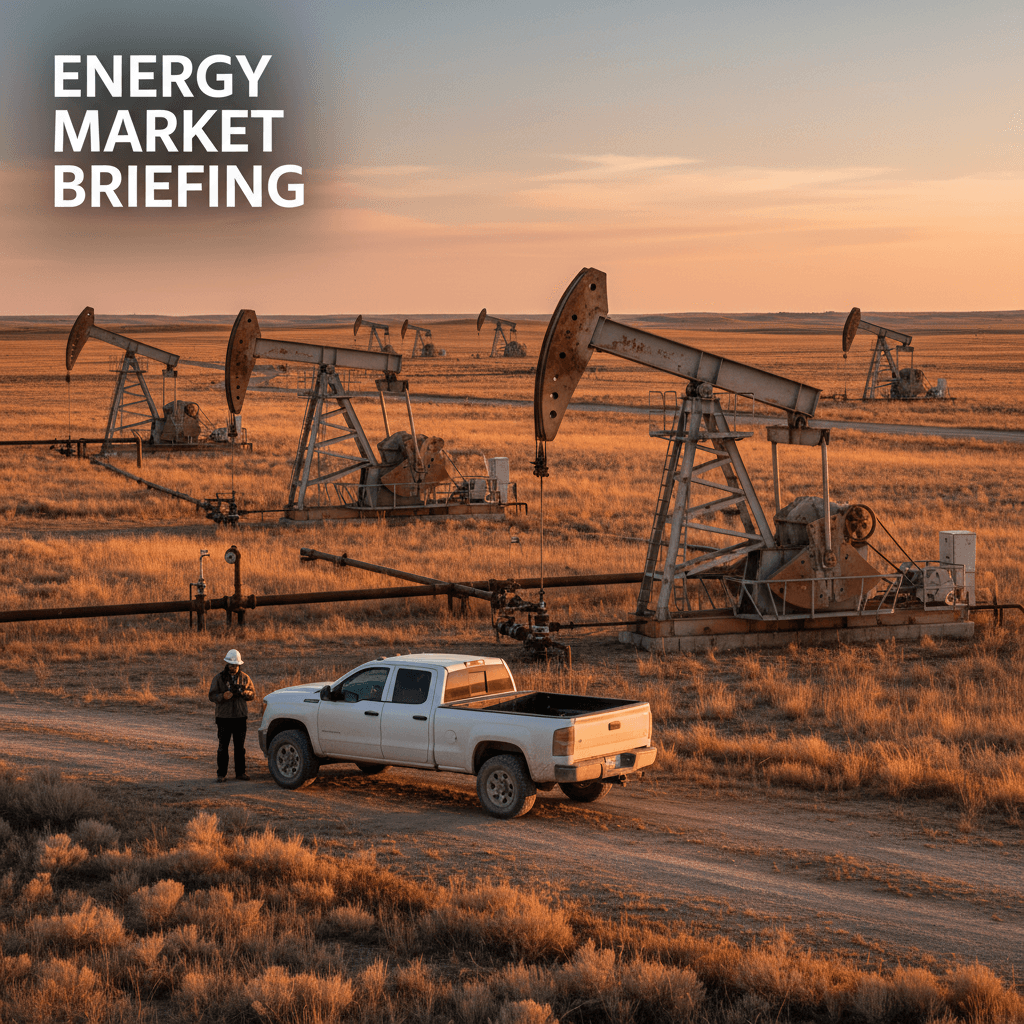
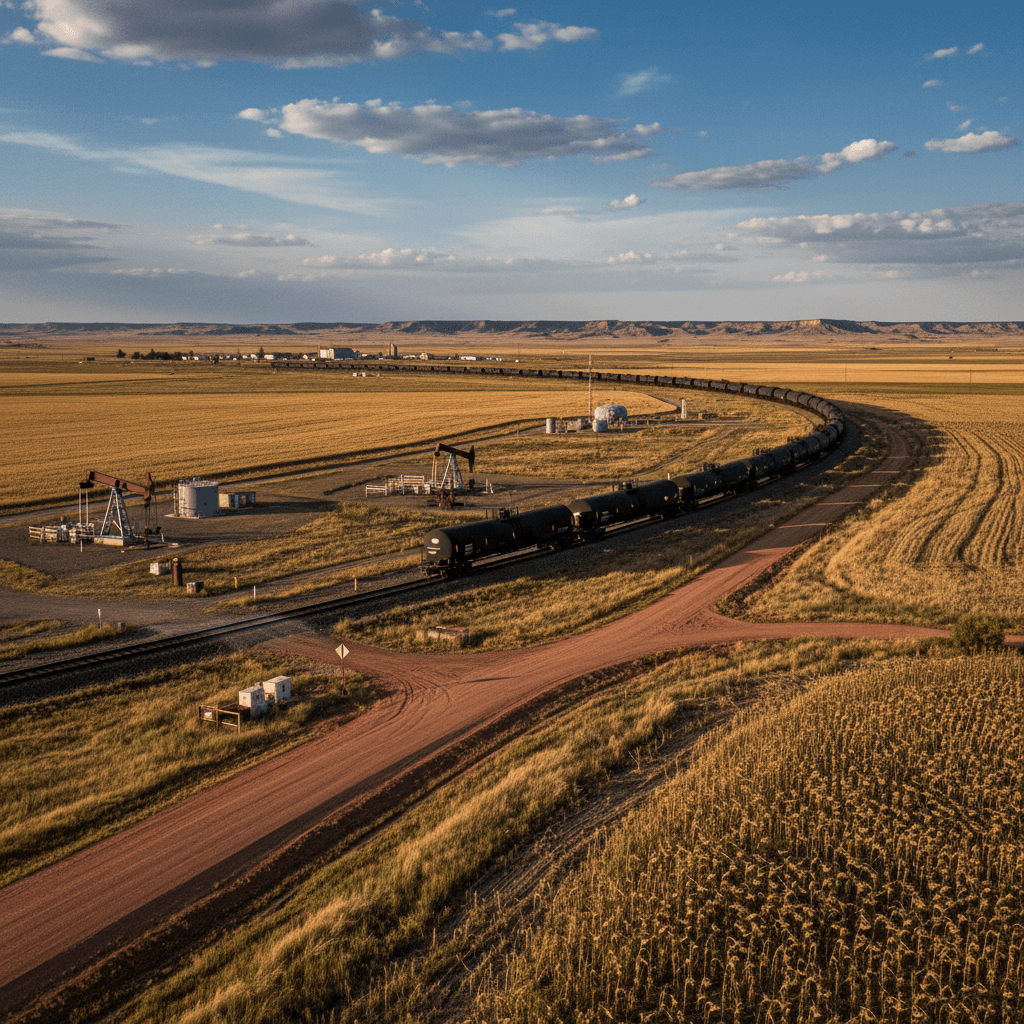
For Bakken operators, the immediate price support from renewed geopolitical premiums is a positive signal, though the market remains sensitive to global supply shifts. The diesel market disruption, driven by the Russian export ban, may also impact local refining margins and Bakken crude's competitiveness.
In corporate news, Chevron, a major operator in the Williston Basin, signed a new agreement to supply 46 petajoules of Western Australian natural gas to utility Alinta over five years, Rigzone reported. This underscores the company's ongoing global portfolio management alongside its Bakken operations.
Source
OilPrice.com, Rigzone