North American Rig Count Gains, Gulf LNG Transit Continues Amid Uncertainty
Industry data shows weekly rig additions while WoodMac notes unresolved geopolitical tensions affecting global energy markets.
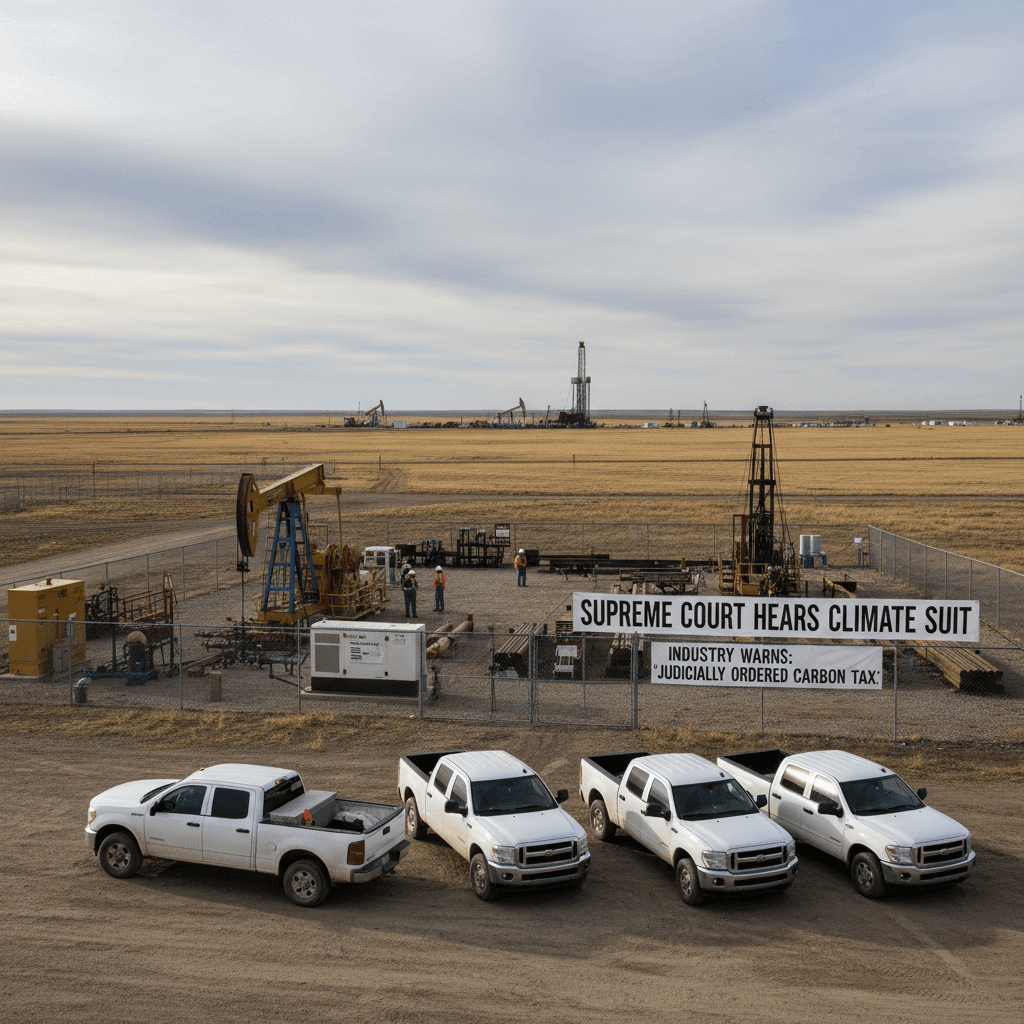
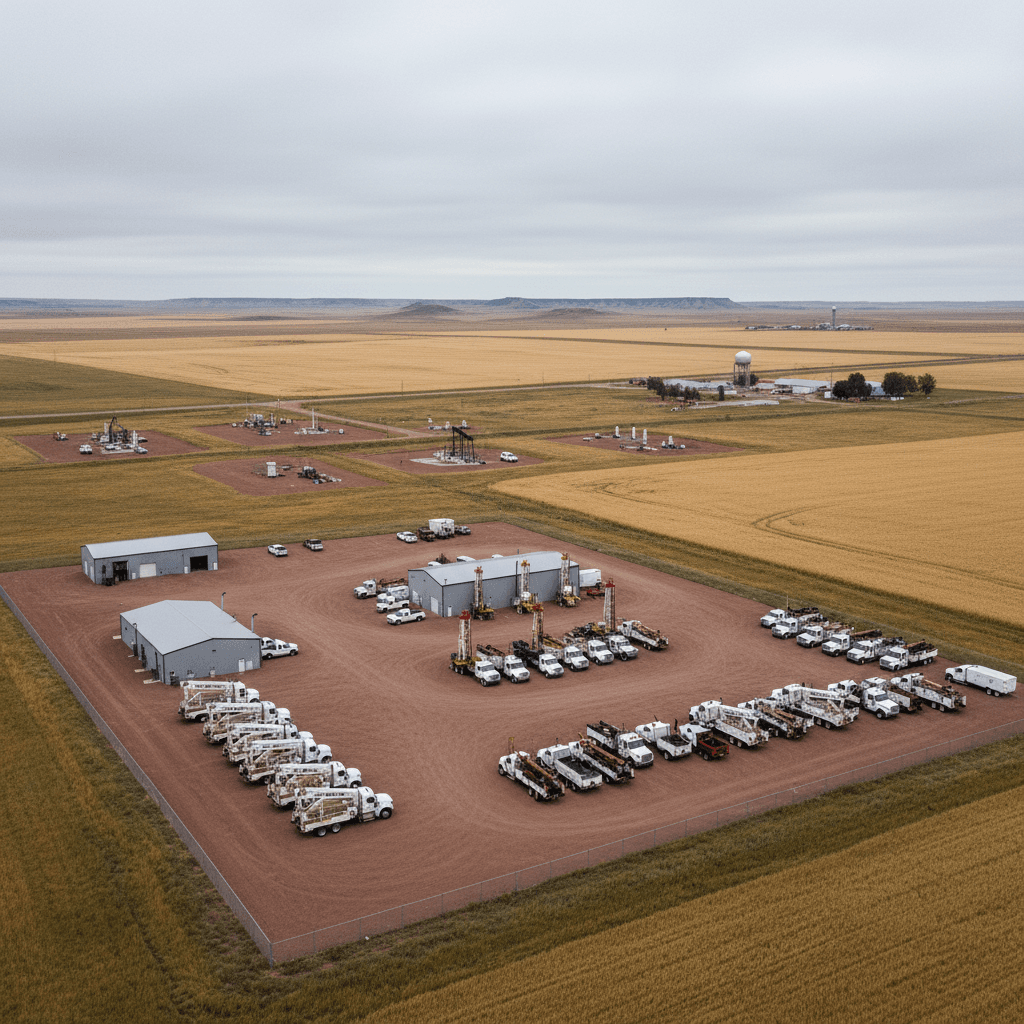
North America's active rig count increased by eight units this week, according to the latest rotary rig count data from Baker Hughes reported by Rigzone. The weekly gain suggests continued upstream activity across the continent, which includes the key Bakken formation in North Dakota.
Separately, another liquefied natural gas (LNG) tanker from Qatar transited the strategic Strait of Hormuz over the weekend, Rigzone reported based on ship-tracking data. The movement of LNG through the vital shipping corridor indicates ongoing export flows from the Persian Gulf despite regional tensions.
Those tensions show no clear path to resolution, according to analysis from Wood Mackenzie. In a statement sent to Rigzone, the consultancy said it "found no consensus" on when the Gulf "crisis" will be "resolved," based on discussions at its recent annual gas and LNG conference in London.
For Bakken operators and the broader North Dakota oil and gas sector, these developments highlight interconnected market forces. A rising North American rig count generally reflects sustained drilling investment, which supports local service companies and employment. However, the unresolved geopolitical situation in the Gulf, a major global energy artery, contributes to market uncertainty that can influence crude oil and natural gas prices. Bakken production, which includes significant associated natural gas output, is indirectly affected by global LNG trade flows and the security of key shipping routes like the Strait of Hormuz.
The combined picture is one of steady domestic operational activity against a backdrop of persistent international risk, factors that Bakken producers must navigate in their planning and market outlook.
Source
Rigzone reports on Baker Hughes rig count data, Qatar LNG transit, and Wood Mackenzie analysis.