North Dakota Industrial Commission Commits $500M to Natural Gas Pipeline
Major state investment aims to reduce flaring and capture more Bakken gas as European hydrogen market advances.
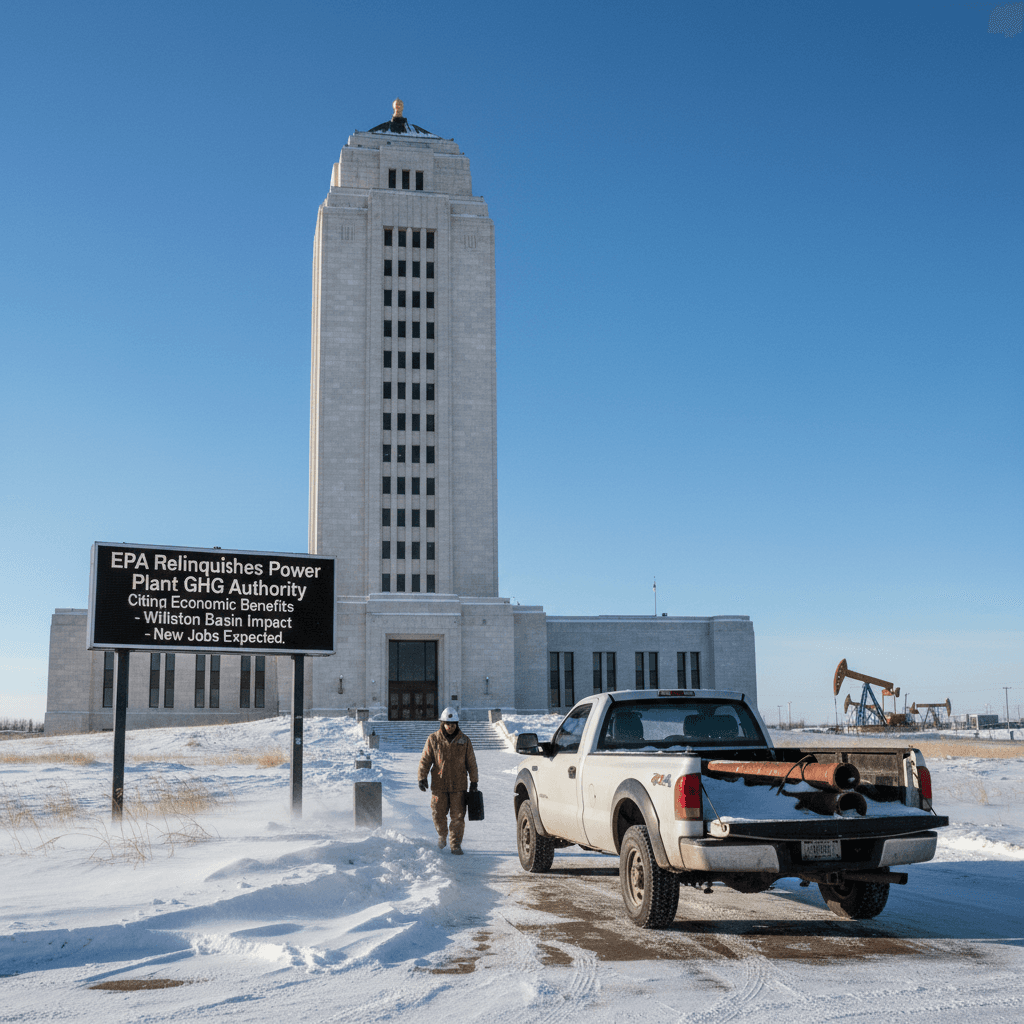
The North Dakota Industrial Commission (NDIC) has committed up to $500 million in state funds to support a major natural gas pipeline project, according to a report from Bing News. The funding decision, made on April 29, represents a significant public investment in the state's gas gathering infrastructure.
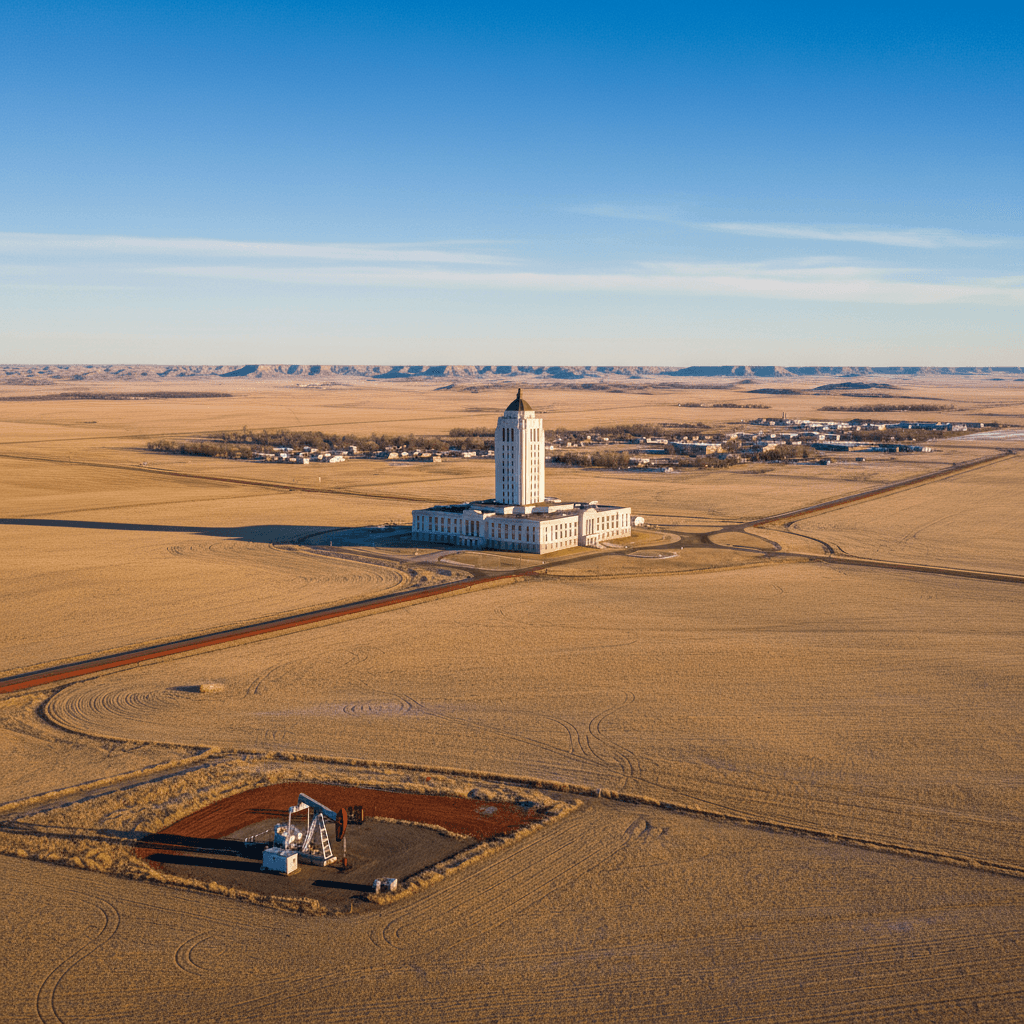
For Bakken operators, the state-backed pipeline is a direct move to address persistent natural gas capture challenges in the oil field. Increased pipeline capacity is critical for reducing flaring and allowing producers to monetize more associated gas, which is a byproduct of crude oil extraction. The commitment underscores the state's focus on improving the economic and environmental performance of the Bakken.
While specific route details and the project operator were not disclosed in the source, a state investment of this scale signals confidence in the long-term viability of Bakken natural gas production. Improved infrastructure can help operators meet the NDIC's stringent gas capture targets and avoid potential curtailments.
Separately, the European Commission has completed its inaugural hydrogen matchmaking round, as reported by Rigzone on April 30. The round featured vendor offers representing 265 projects spanning green hydrogen, lower-carbon hydrogen, and hydrogen derivatives.
The development of a large-scale hydrogen market in Europe could have long-term implications for North Dakota's energy sector. The Bakken formation is a potential source for lower-carbon or "blue" hydrogen, which is produced from natural gas with carbon capture and storage. A growing international demand for hydrogen may create a future export market for North Dakota's natural gas resources.
The simultaneous news of a major local infrastructure push and advancing international clean energy markets highlights a dual pathway for the Bakken. In the near term, capturing and moving more natural gas via pipelines remains the immediate economic and regulatory priority. In the longer term, the same resource could be a feedstock for emerging energy commodities like hydrogen.
The NDIC's $500 million commitment is one of the largest state-level interventions in midstream infrastructure in recent memory. It places North Dakota as an active financial partner in solving the basin's gas takeaway constraints, which is a central concern for every operator in the Williston Basin.
Source
Bing News (published April 29, 2026), Rigzone (published April 30, 2026)