North Dakota Rig Count Holds at 25 Amid Subdued Oil Prices
Bakken operators maintain steady activity as WTI crude trades near $70 per barrel, with production outlook tied to price stability.
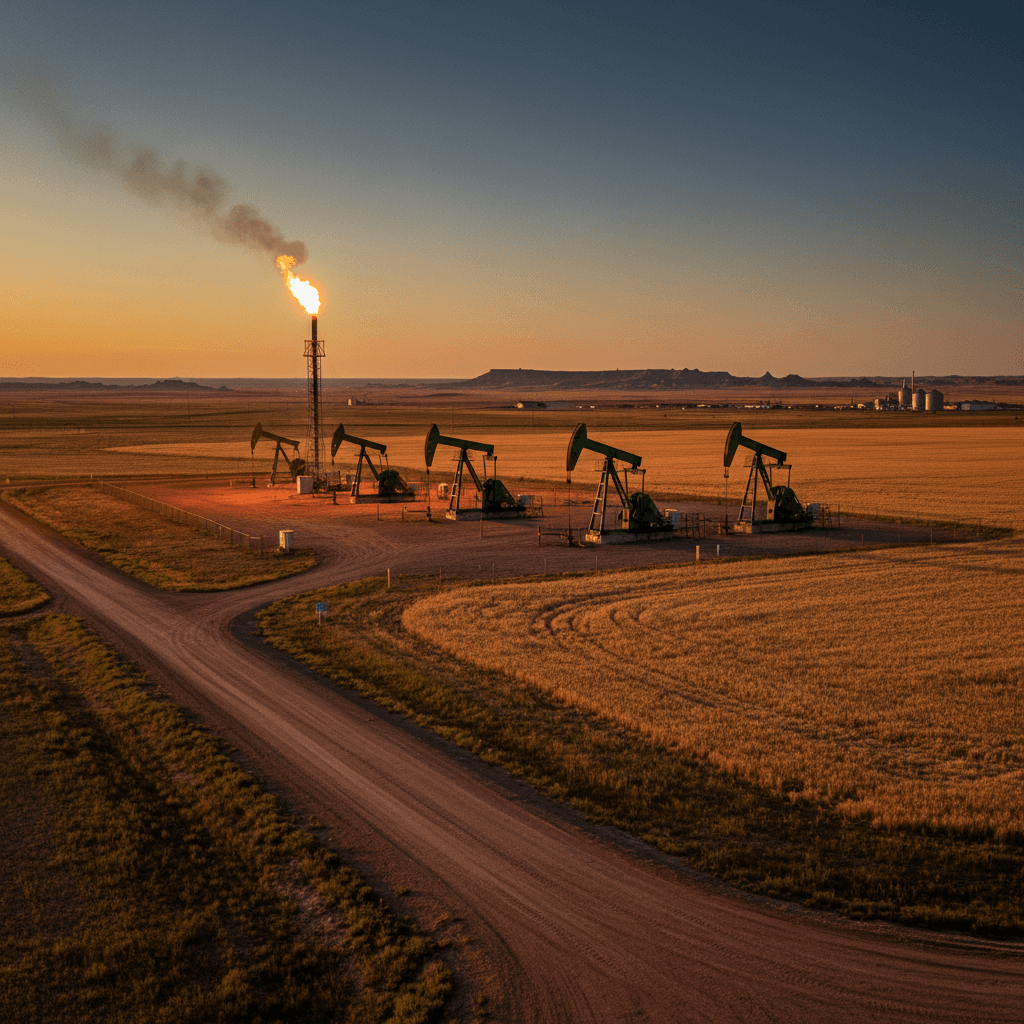
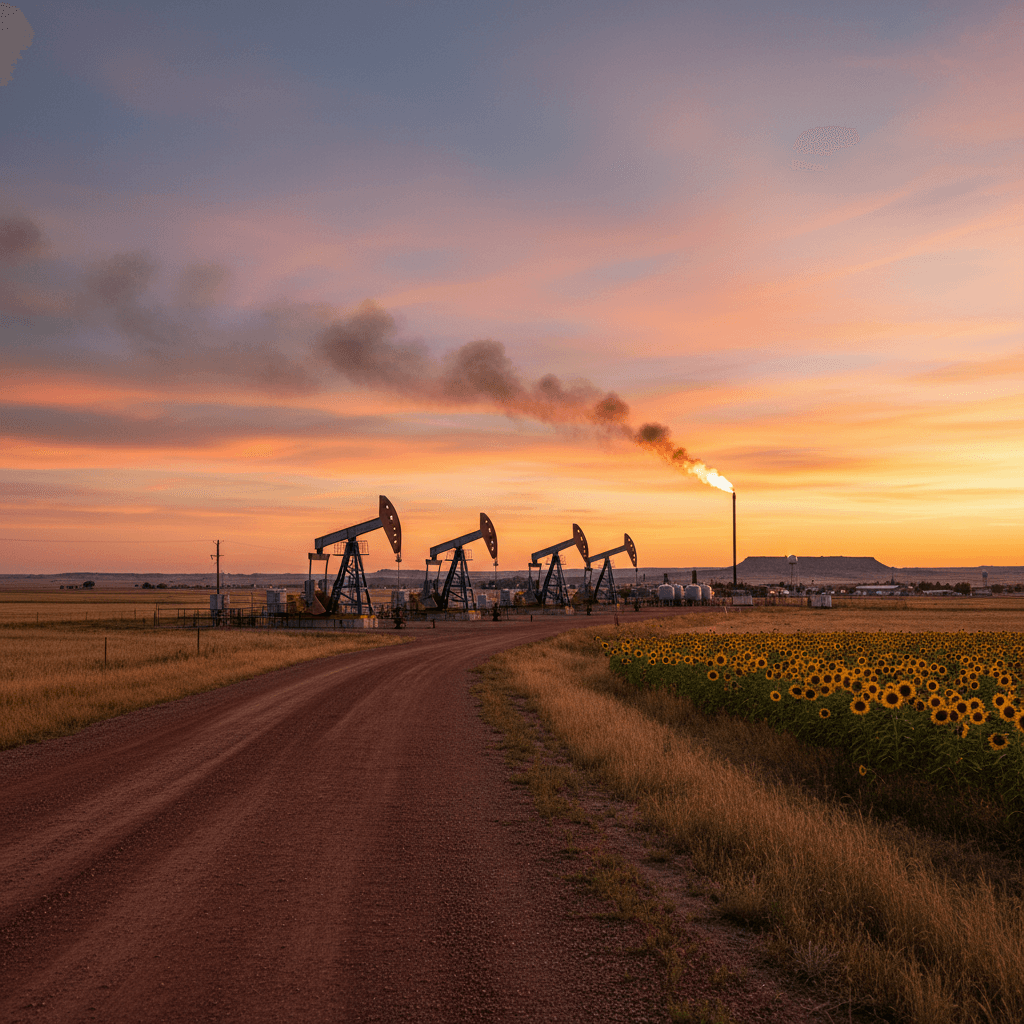
North Dakota's active drilling rig count held steady at 25 on Tuesday, June 30, 2026, as oil prices retreated slightly from recent levels. The current activity level suggests a stabilized, though historically low, pace of new well development in the Bakken formation.
West Texas Intermediate (WTI) crude was trading at $70.05 per barrel, down 0.99% on the day. The international benchmark Brent crude traded at $73.42. The price for Bakken crude at the wellhead is typically discounted against WTI; the current differential was reported at -$3.42. Natural gas prices were at $3.26 per MMBtu.
The rig count is a closely watched leading indicator for future oil production, as it reflects the number of drilling crews actively working to bring new wells online. The current count of 25 rigs is significantly lower than the boom-era highs of over 200 but represents a consolidation after the severe downturn following the 2020 price collapse and subsequent volatility. At this level of activity, the state is likely adding enough new wells to largely offset the steep natural decline rates of existing wells, potentially maintaining flat to slightly declining overall production in the near term.
Historically, a sustained rig count above 30 in North Dakota has been associated with production growth, while counts in the mid-20s have often correlated with a plateau or modest decline. Operator decisions to deploy rigs are directly influenced by crude oil prices, operating costs, and access to capital. The current WTI price near $70 provides a margin for many efficient Bakken operators to drill, but it does not incentivize a significant acceleration in activity.
For royalty owners and service companies, the steady rig count indicates a period of cautious operational consistency. Major producers are likely focusing capital on their most productive core acreage, prioritizing efficiency and shareholder returns over aggressive volume growth. The stability in the Bakken differential also suggests consistent pipeline and rail takeaway capacity for the region's output.
The near-term production outlook for the Bakken remains tightly linked to commodity prices. A sustained move above $75-$80 WTI could spur a modest increase in the rig count and halt production declines, while a drop below $65 could pressure operators to further reduce activity. For now, the data points to a holding pattern in the nation's second-largest oil-producing state.
Source
Bakken Wire Live Data as of June 30, 2026