North Dakota Rig Count Holds at 25 as Oil Prices Slide
Bakken production outlook remains steady despite a midday dip in benchmark crude prices.
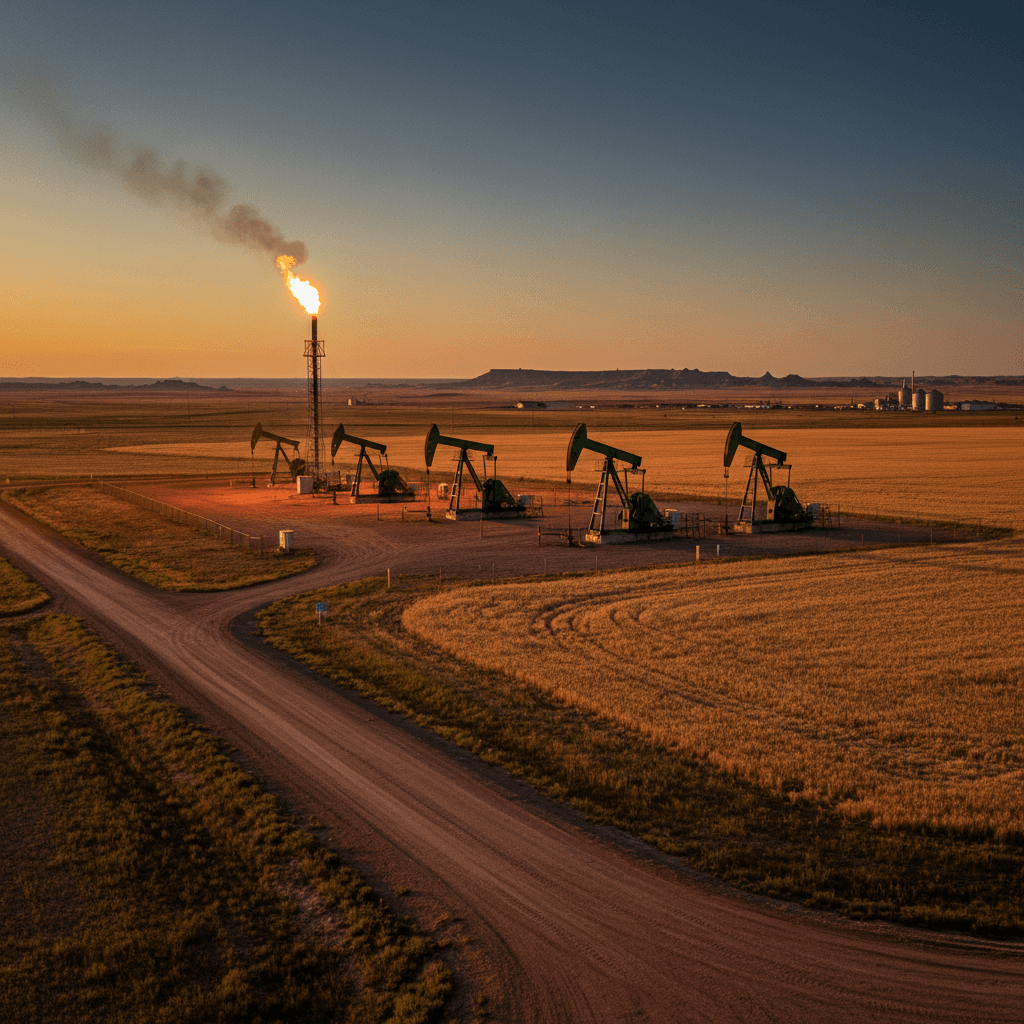
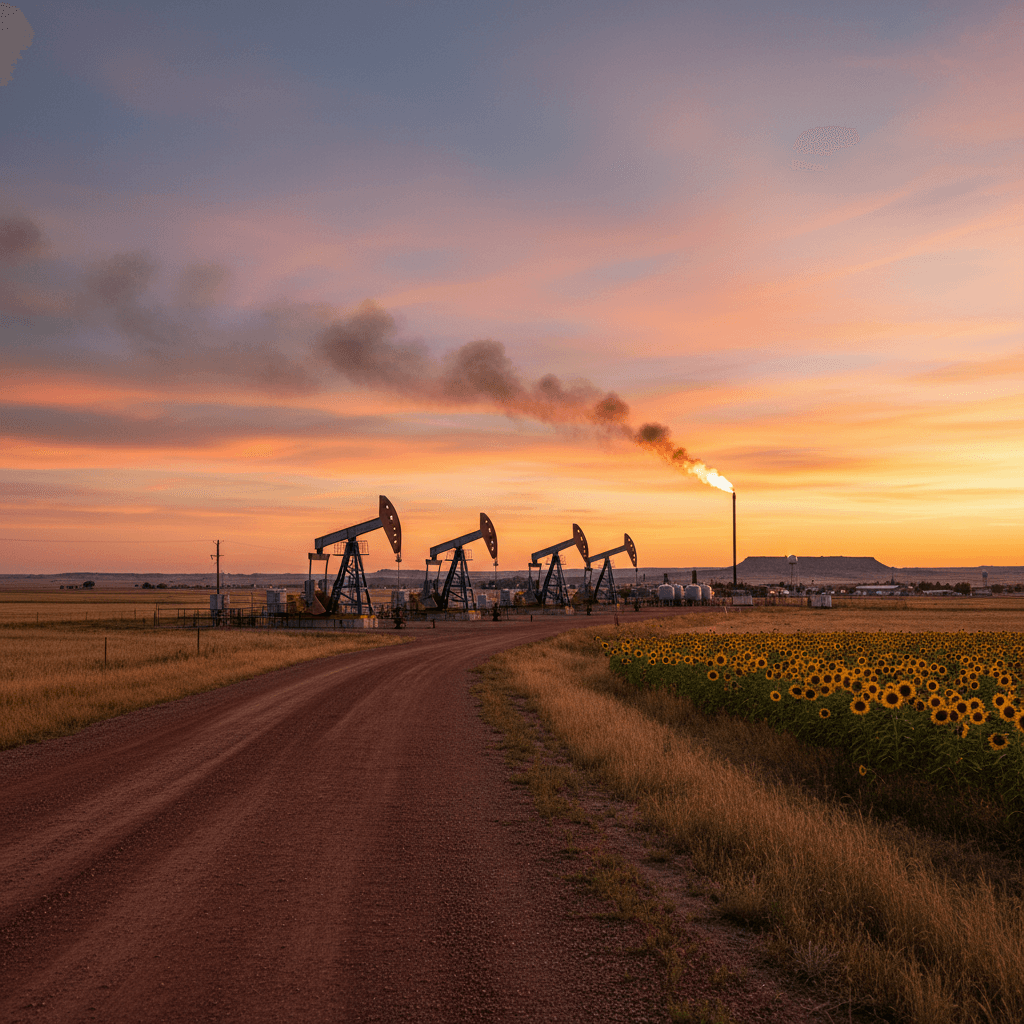
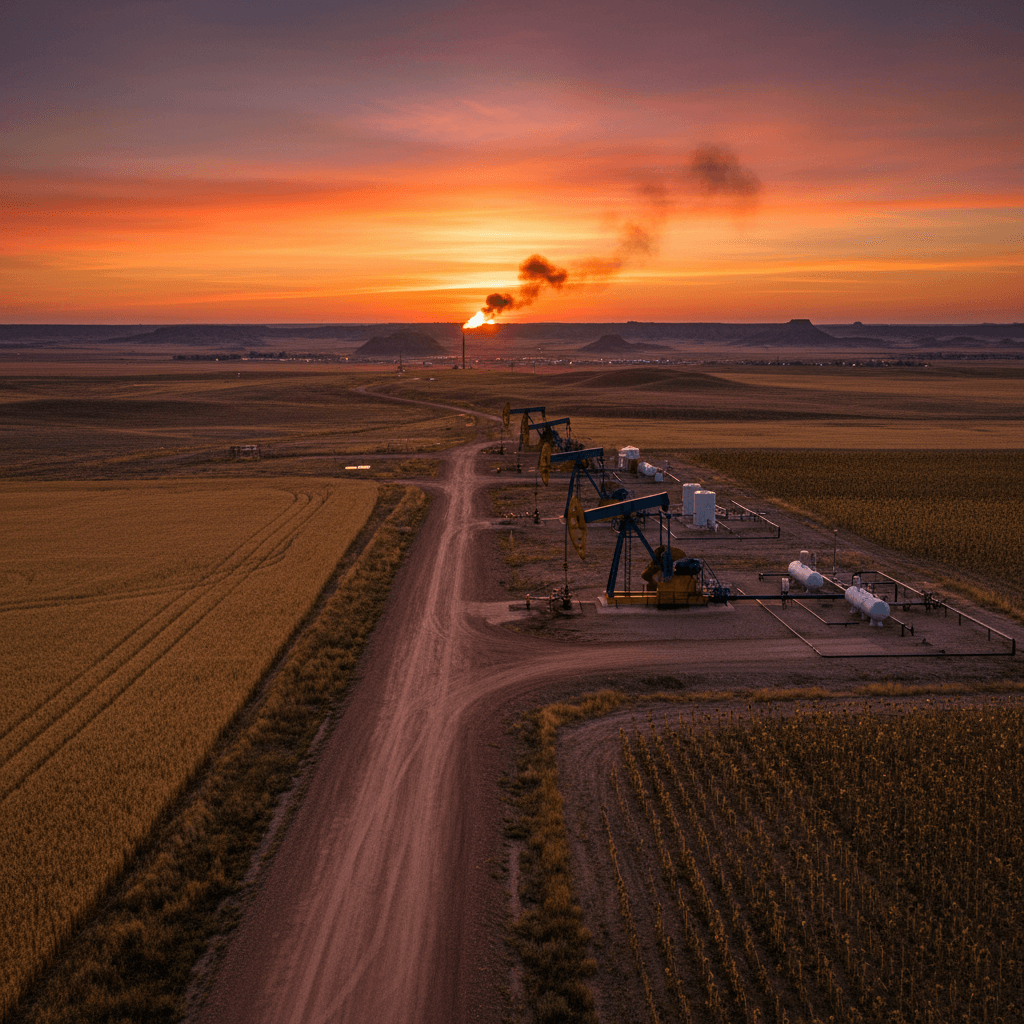
North Dakota's active rig count held steady at 25 on Friday, providing a stable signal for near-term oil production in the Bakken formation. The figure comes as benchmark crude prices saw a midday decline, with West Texas Intermediate trading at $71.25 per barrel, down $0.83.
The current rig count is a key leading indicator for future oil output. Historically, the number of active drilling rigs in the state has shown a direct, though lagged, correlation with production levels. A stable rig count suggests operators are maintaining a consistent pace of new well development, which should support production volumes in the coming months.
Midday trading showed Brent crude at $75.73 per barrel, down $0.57. The price for Bakken crude at the wellhead is typically discounted against WTI. The live data showed the Bakken differential at -$3.42 versus WTI, putting local crude at approximately $67.83 per barrel.
Natural gas prices were recorded at $2.91 per MMBtu. While secondary to oil in the Bakken, natural gas prices impact the economics of associated gas production and flaring reduction efforts.
The current price environment, with WTI above $70, is generally considered supportive for Bakken drilling activity, though margins are tightened by the regional price differential. The sustained rig count at 25 indicates a level of operator confidence and capital discipline, focusing development on the most productive acreage.
Analysts often view a rig count in the mid-20s as indicative of a mature, steady-state phase for the Bakken play, where production is maintained through efficient drilling rather than rapid expansion. The outlook for North Dakota production remains largely dependent on these price and rig count trends holding firm.
Any sustained drop in prices below key thresholds could pressure operators to reduce drilling activity, which would eventually lead to a decline in production. For now, the midday price movement represents typical market volatility, while the static rig count offers a more concrete snapshot of current field activity.
Source
Bakken Wire Live Data as of midday Friday, July 10, 2026