North Dakota Rig Count Holds at 26 as Prices Offer Modest Support
Bakken operators maintain a steady but historically low pace of drilling activity with WTI above $70, suggesting production levels may stabilize.
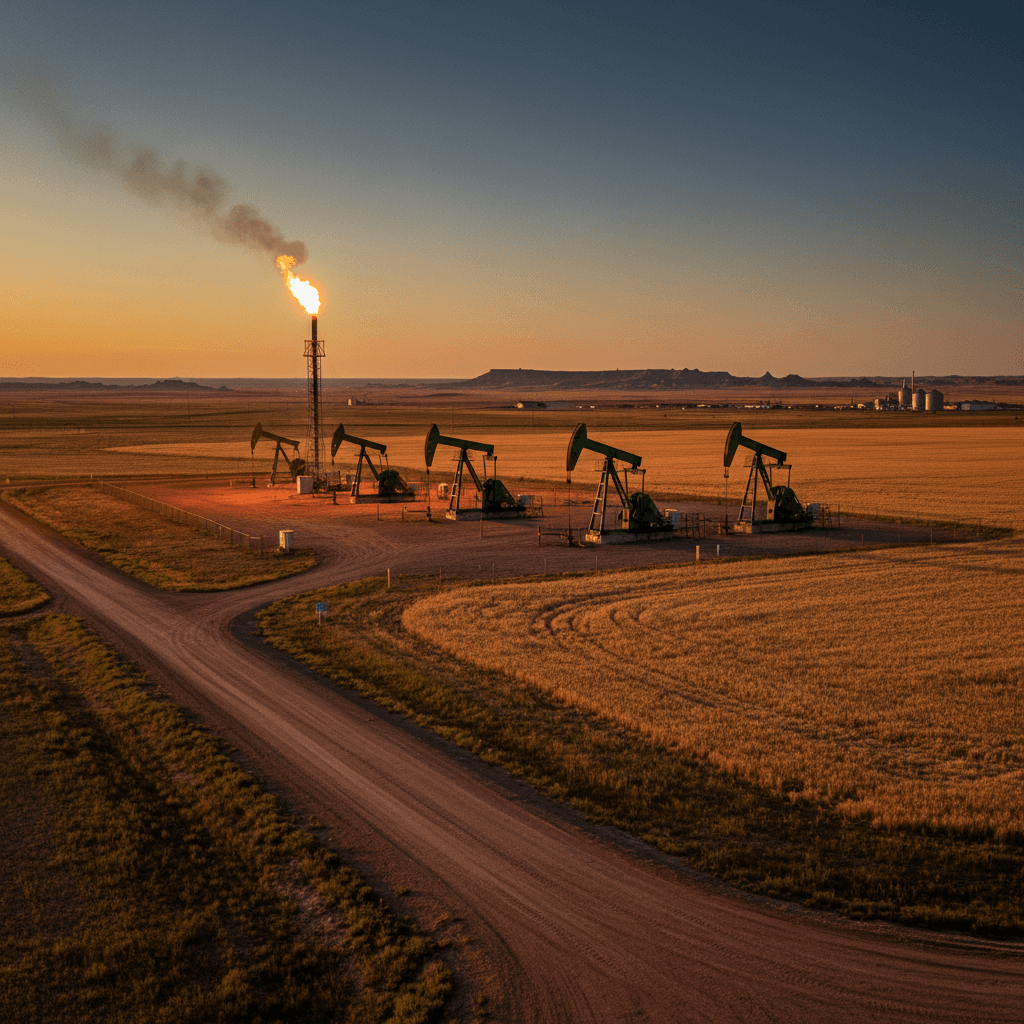
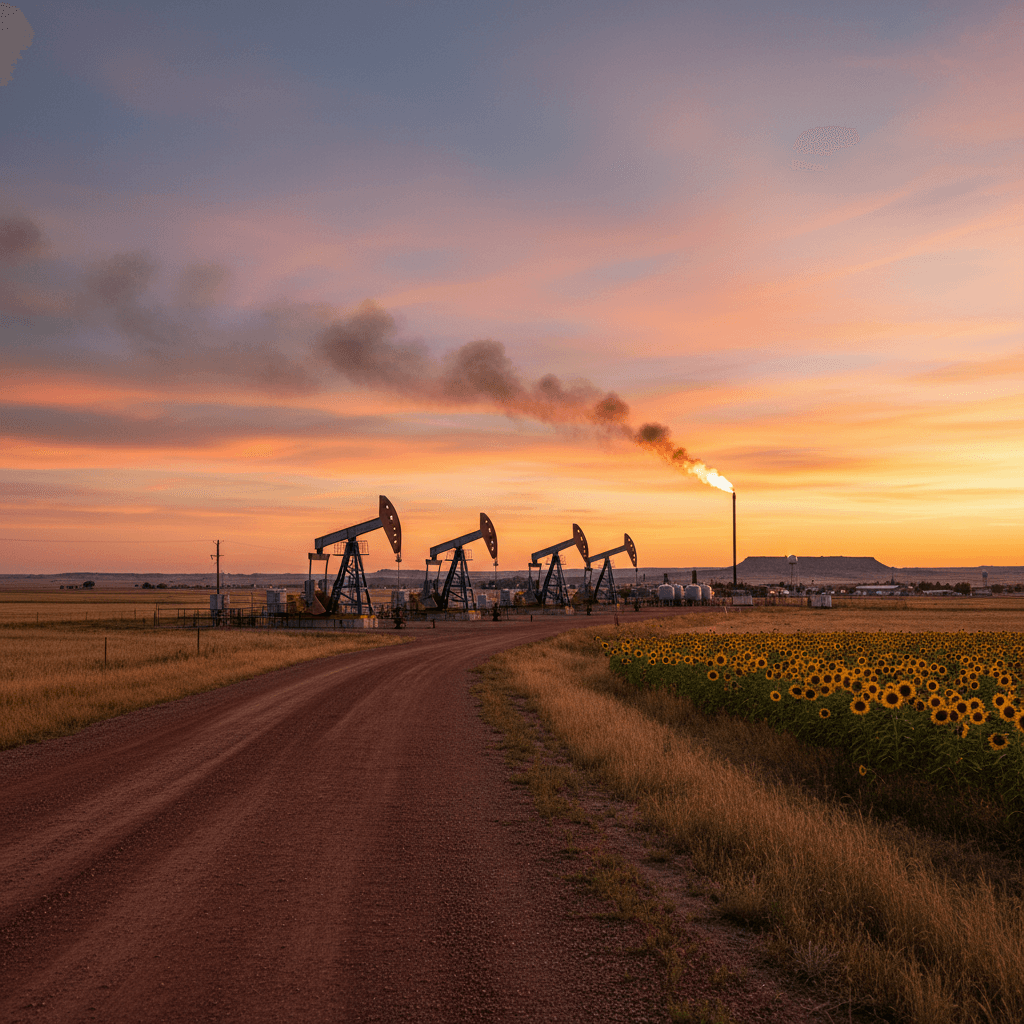
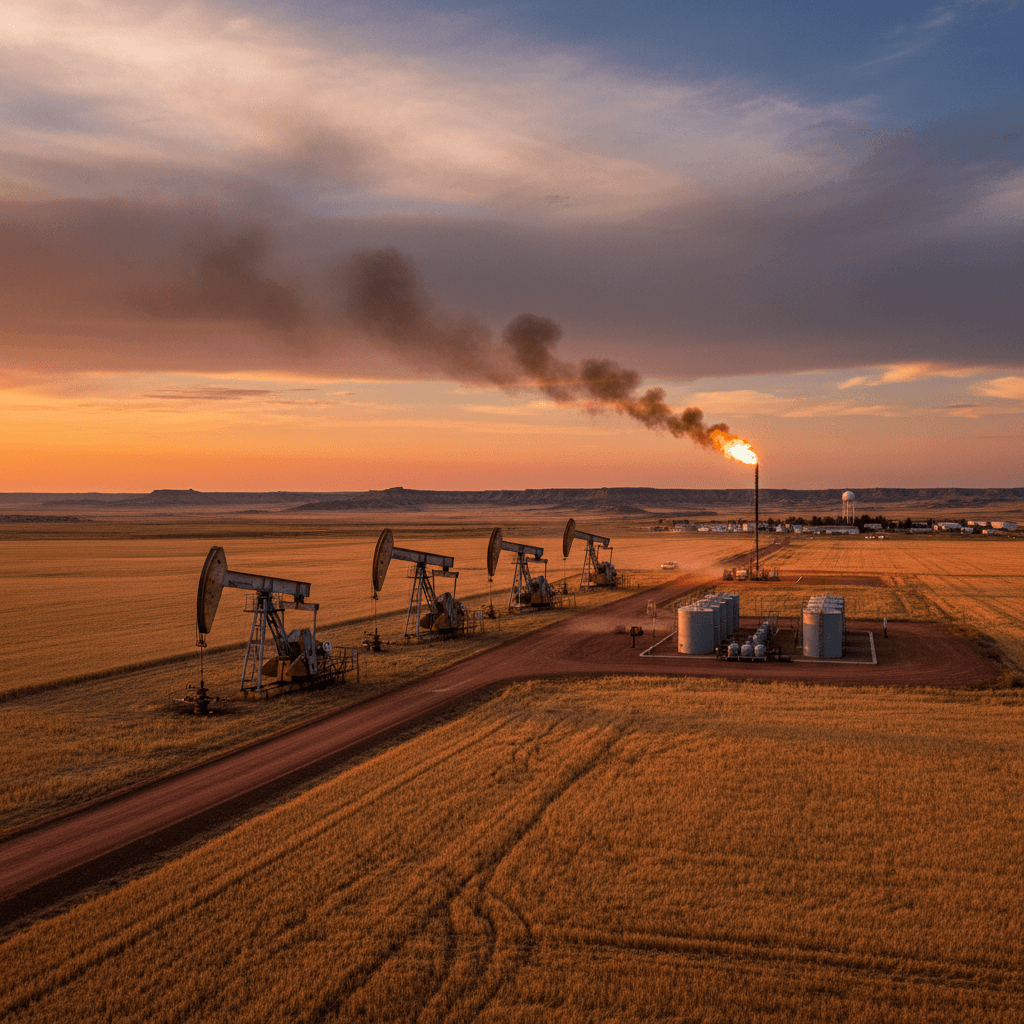
North Dakota's active drilling rig count held steady at 26 on Tuesday, a level that suggests operators in the Bakken formation are maintaining a cautious but consistent pace of activity amid supportive, if unspectacular, crude prices. The current count, a key indicator of future production, remains near historic lows for the basin but has shown resilience in recent months.
West Texas Intermediate (WTI) crude traded at $70.96 per barrel, up 30 cents, while the international Brent benchmark was at $74.23. The Bakken crude differential, the discount at which local oil trades versus WTI, was $3.42, according to live market data. Natural gas was priced at $3.24 per MMBtu.
The rig count is a leading indicator for oil production, typically preceding changes in output by several months. A sustained rig count in the mid-20s, as seen currently, generally points to a maintenance level of activity rather than significant growth. This steady pace is likely aimed at offsetting the basin's natural production decline from existing wells.
Historically, the Bakken formation has supported over 200 active rigs during boom periods. The current count reflects a mature phase of development where operators focus capital on high-efficiency drilling in core areas and prioritize shareholder returns over aggressive volume growth. The price environment, with WTI consistently above $70, provides enough margin for disciplined development but not a strong incentive for a major rig count expansion.
The modestly positive price movement provides a stable backdrop for planning. However, the persistent discount for Bakken crude compared to the WTI benchmark continues to capture a portion of the revenue for producers in the region, influencing netback economics.
For near-term production, the current activity level suggests North Dakota's output is likely to remain relatively flat. Operators are efficiently extracting more oil per rig than in previous eras, but the low number of active drilling units places a ceiling on growth. The focus for most public and private operators remains on generating free cash flow within the current price band.
The outlook for the second half of 2026 hinges on commodity price stability and capital discipline. Any sustained move in prices significantly higher could incentivize a gradual addition of rigs, while a drop below key thresholds could pressure the current activity level. For now, the Bakken appears set for a period of production stability anchored by its core, high-performing assets.
Source
Bakken Wire Live Data as of June 30, 2026