North Dakota Rig Count Holds at 30 as Oil Prices Provide Support
Current activity level suggests Bakken production may stabilize near recent highs, with WTI above $87 providing economic incentive for operators.
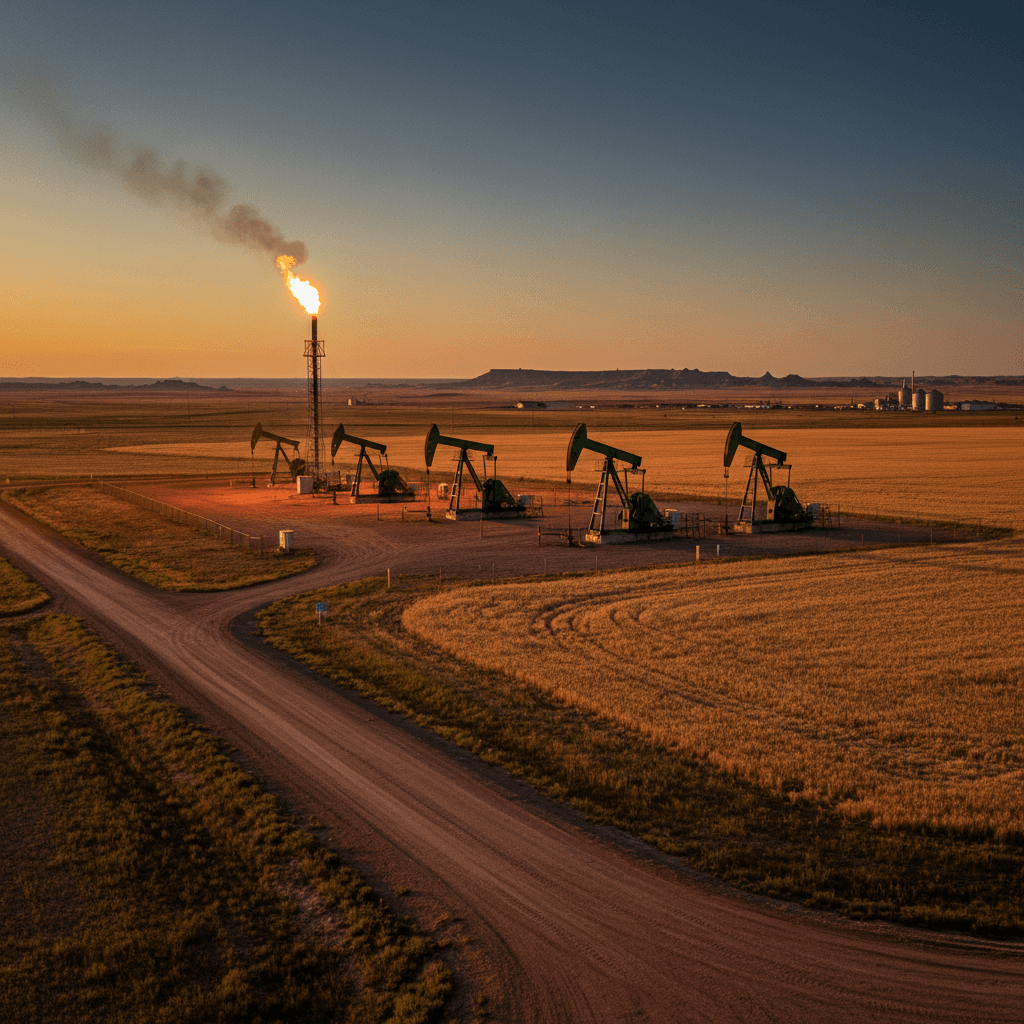
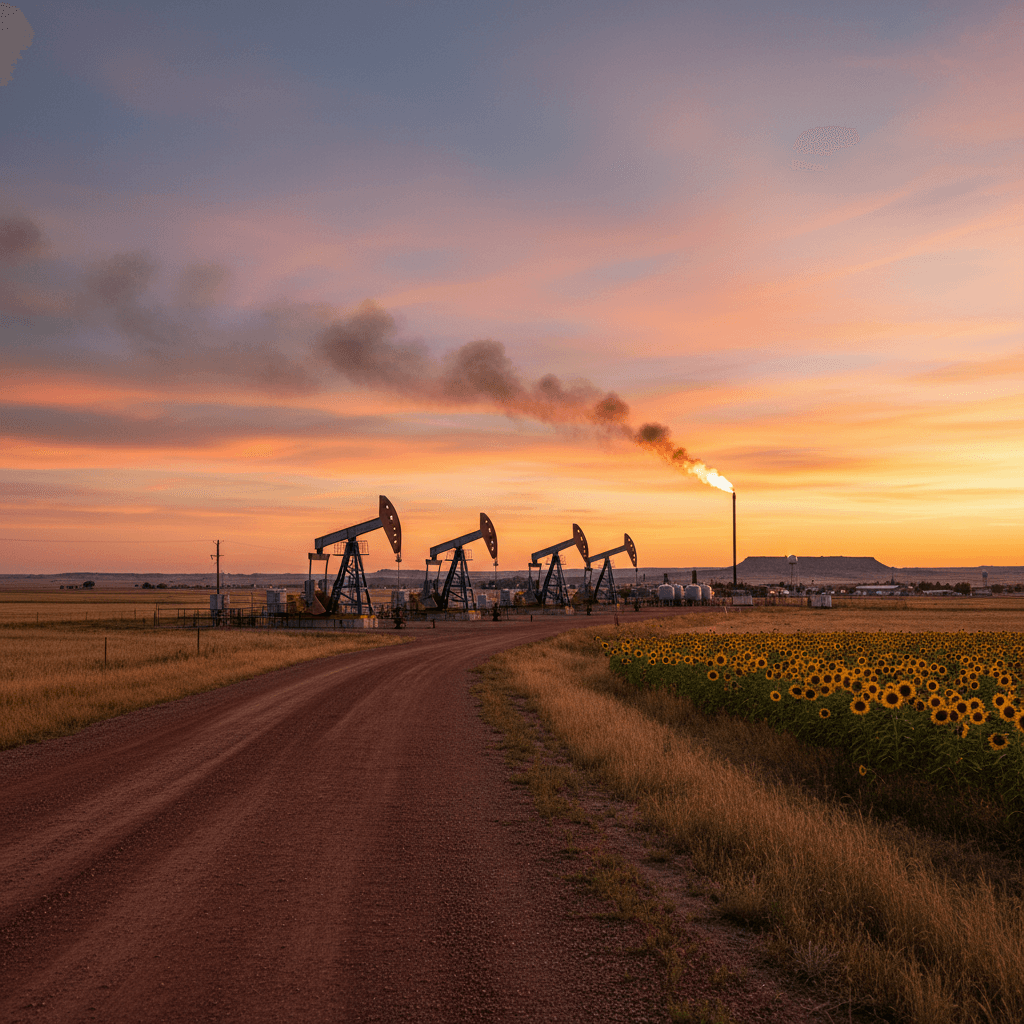
North Dakota's active drilling rig count remained steady at 30 on Sunday, May 31, 2026, as supportive oil prices create a stable environment for Bakken operators. The benchmark West Texas Intermediate (WTI) crude price was $87.36 per barrel, with the Bakken crude differential at a discount of $3.42.
The current rig count is a critical indicator for future oil production in the state. Historically, the number of active drilling rigs correlates with production levels several months later, as new wells are drilled, completed, and brought online. A steady rig count suggests operators are maintaining a consistent development pace.
With WTI holding firmly above $87, the economics for drilling in the Bakken formation remain favorable for many operators. The Brent crude benchmark was at $91.12, and natural gas was priced at $3.29 per MMBtu. The current price environment provides cash flow to sustain drilling programs without necessitating a rapid expansion of activity.
The Bakken formation is North Dakota's primary oil-producing region. Production levels have been sustained by improvements in drilling efficiency and well productivity, meaning fewer rigs are needed to maintain output compared to previous boom periods. The current count of 30 rigs is consistent with a plateau in statewide production.
Analysts watch the rig count for signs of increasing or decreasing capital expenditure by exploration and production companies. A sustained increase would signal confidence in long-term prices and a target to grow output, while a decline would indicate capital discipline or a reaction to lower prices. The current flat count suggests a balanced, maintenance-oriented strategy among operators.
The near-term production outlook for the Bakken appears stable. Barring a significant move in commodity prices, the existing rig fleet is likely sufficient to offset natural production declines from existing wells. Major production changes would follow a sustained shift in the rig count over multiple weeks or months.
For royalty owners and service companies, a steady activity level provides predictability. The focus for operators continues to be on drilling the highest-return locations within their core Bakken acreage, maximizing output from each well drilled.
Source
Bakken Wire Live Data as of May 31, 2026