North Dakota Rig Count Holds at 37 for Second Consecutive Day
The state's drilling activity remains at its highest level in over a month, showing sustained operator investment.
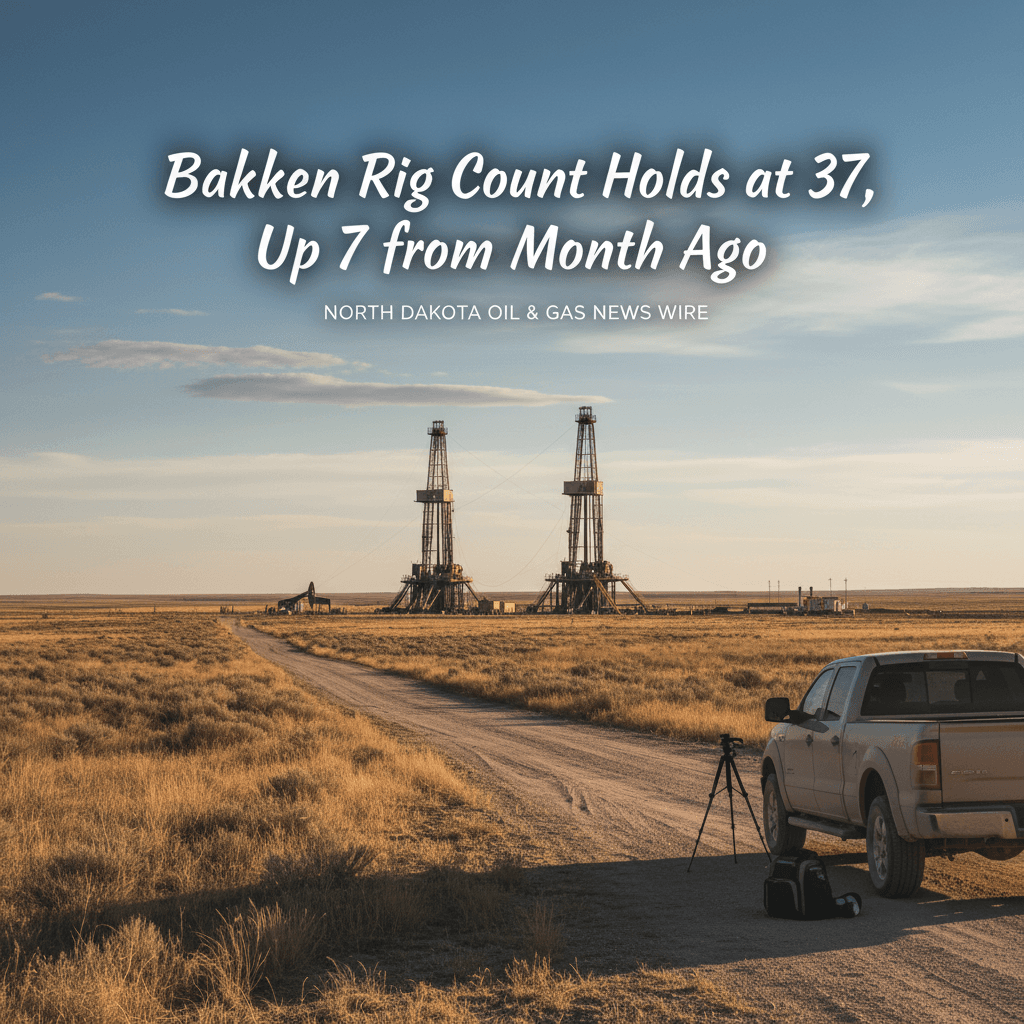
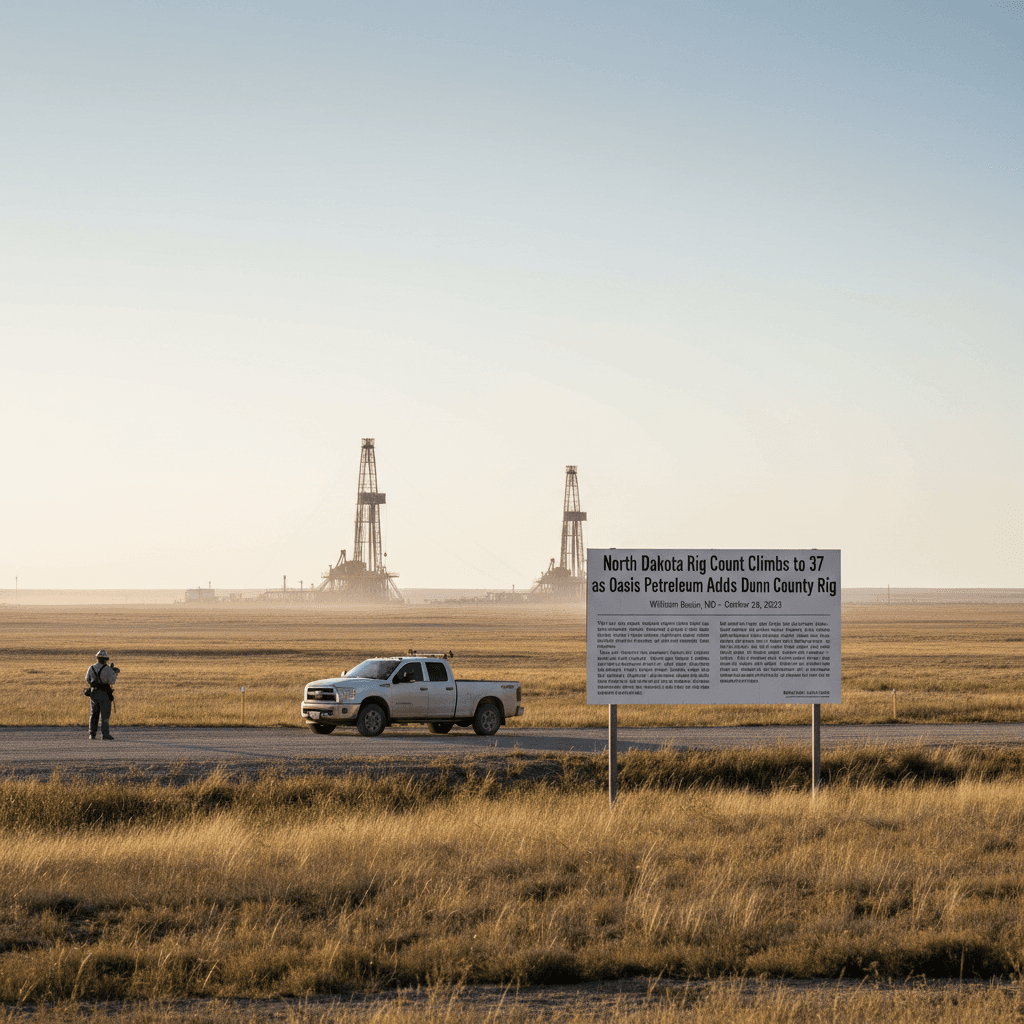
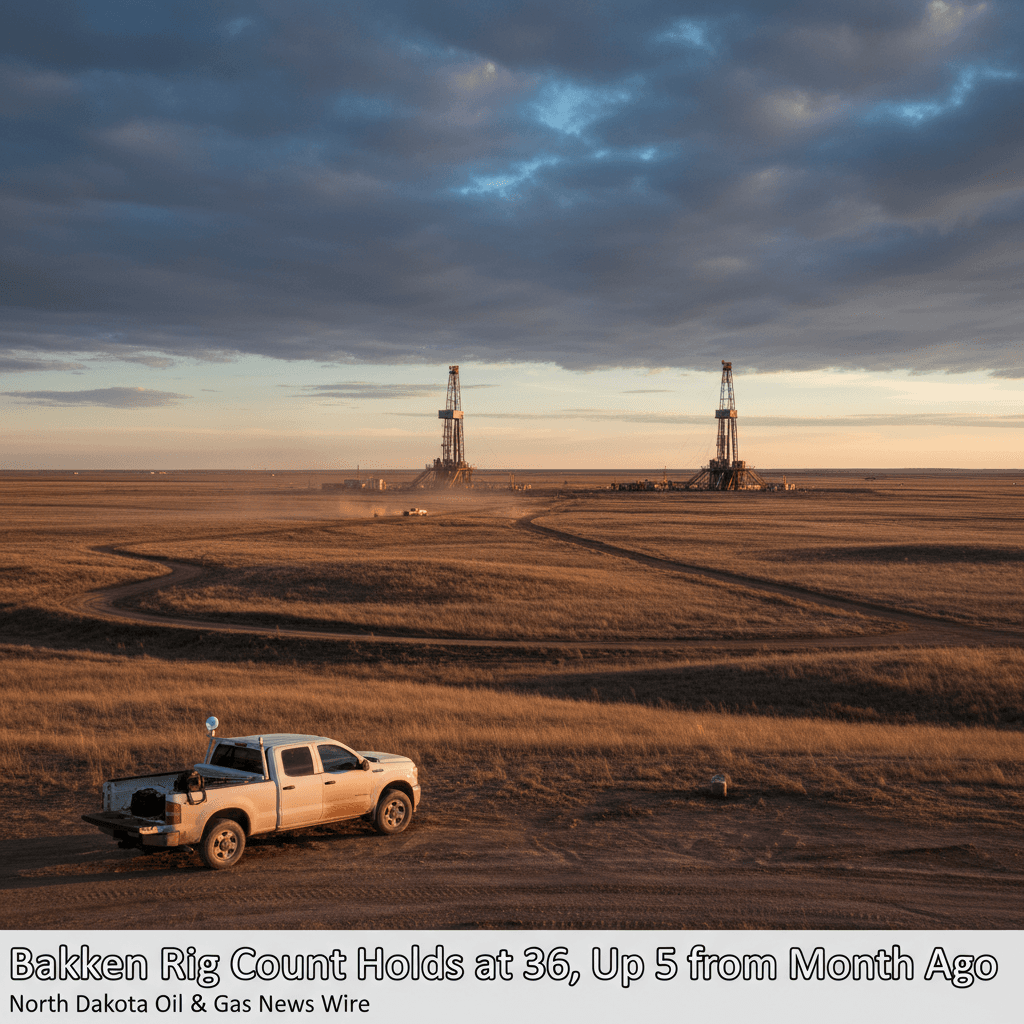
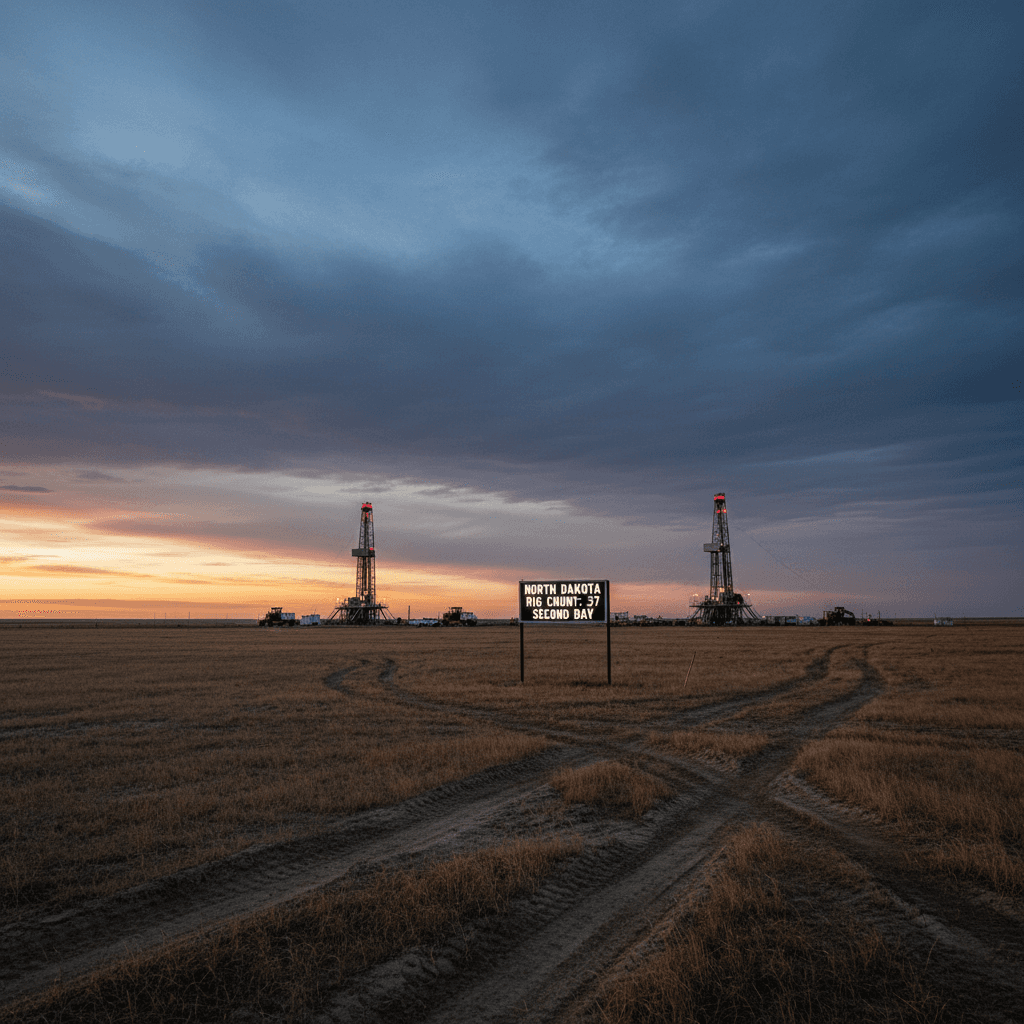
The number of active drilling rigs in North Dakota held steady at 37 on Saturday, October 24, 2026, according to live data from Bakken Wire. The count showed no change from the previous day, with no new rigs added, none removed, and none relocated.
The current level represents a consistent uptick in drilling activity over recent weeks. One week ago, on October 17, the state's rig count stood at 36. The current count of 37 rigs also marks a significant increase from one month prior; on September 24, there were only 30 active rigs operating across North Dakota, meaning activity has risen by seven rigs over that four-week period.
The stability at the 37-rig level suggests operators are maintaining their current drilling programs amidst prevailing commodity prices and operational conditions. The Bakken formation remains North Dakota's primary oil-producing region, and rig activity is a leading indicator of future production. A higher rig count typically points to increased drilling and completion activity in the months ahead, which can support oil output and associated gas production.
The seven-rig gain over the past month signals renewed confidence or strategic deployment by exploration and production companies working in the Williston Basin. This level of activity, if sustained, can contribute to stabilizing or growing the state's overall hydrocarbon production. For service companies and local economies in the oil patch, steady rig activity supports employment and supply chain demand.
Market analysts often watch rig count trends alongside well productivity and crude oil prices to gauge the health of the Bakken play. The current count, while subject to weekly fluctuations, reflects a period of measured growth compared to the lower activity seen in late September. Operators continue to focus on core, high-return acreage within the basin, deploying rigs to drill the multi-well pads that define modern Bakken development.
Further movements in the rig count will be closely monitored for signs of whether this plateau is a pause or a precursor to further changes in operational tempo.
Source
Bakken Wire Live Rig Data