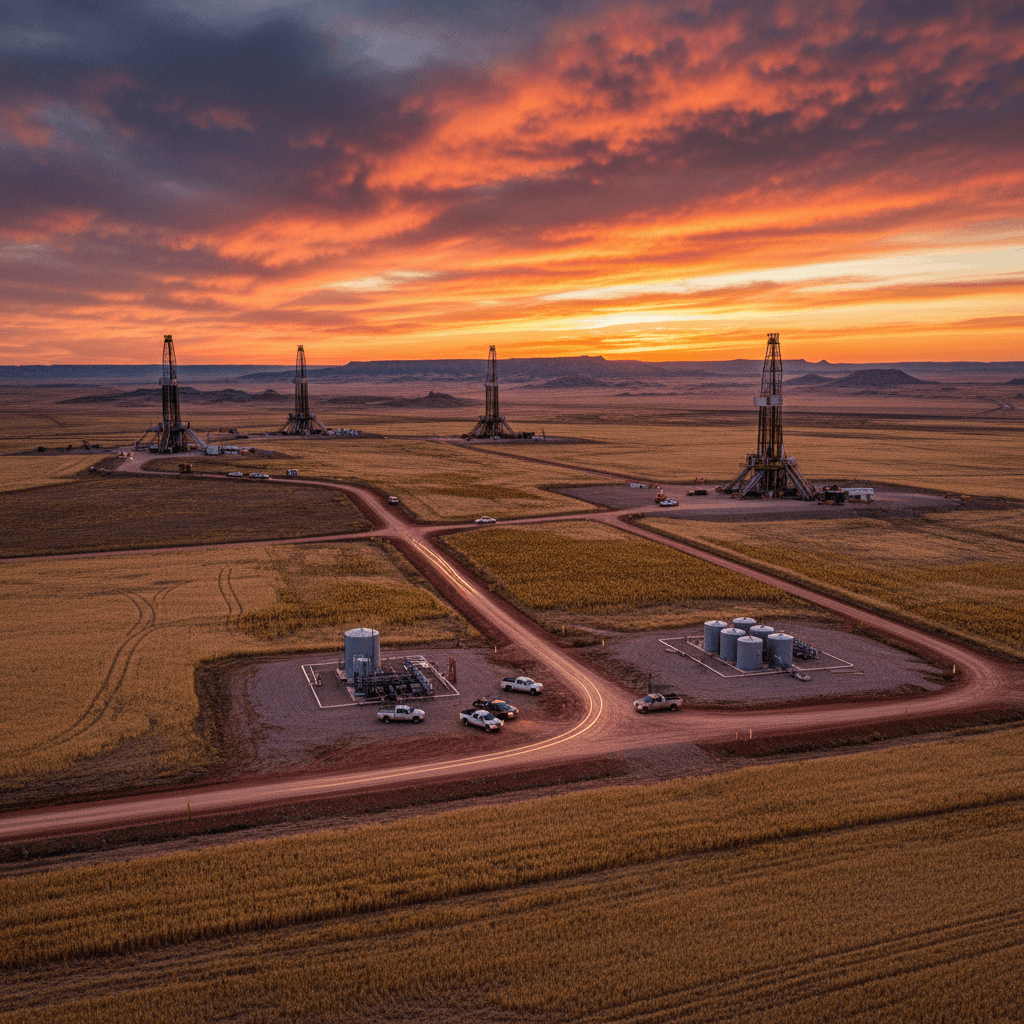
North Dakota Rig Count Rises to 22, Led by Hess Addition
The state's active drilling rigs increased by one net unit on Tuesday, continuing a volatile trend over the past three weeks.
North Dakota's active drilling rig count climbed to 22 on Tuesday, April 21, 2026, according to live rig data from Bakken Wire. The count represents a net gain of one rig from the previous day.
The sole new rig reported was operated by Hess Bakken Investments II, LLC. The company spudded the Noble 4 rig at a location in McKenzie County (Section 11, Township 152N, Range 95W). No rigs were removed from service or moved locations on Tuesday.
The latest increase continues a recent pattern of fluctuation in the Williston Basin's drilling activity. One week ago, on April 14, the state's rig count stood at 20 active units, meaning the fleet has grown by two rigs over the past seven days. However, the current level of 22 rigs remains one unit below the count of 23 active rigs recorded just 20 days ago on April 1.
The rig count is a closely watched leading indicator for future oil production in the Bakken formation, North Dakota's primary oil-producing region. The current activity, while showing modest week-over-week growth, remains at a historically subdued level compared to previous boom cycles, reflecting ongoing capital discipline among operators and sensitivity to commodity price movements.
The addition by Hess, a major Bakken operator, indicates continued targeted development in the core of the play. McKenzie County consistently hosts the majority of the state's drilling activity due to its high-density, prolific geology.
The volatile movement in the rig count over a three-week period—from 23 down to 20 and back up to 22—highlights the finely balanced decisions operators are making in response to shifting economic conditions. While the day's activity showed a net addition, the broader trend suggests a market seeking equilibrium.
Global energy market disruptions, such as the ongoing suspension of Qatari LNG exports following Iranian strikes, can indirectly influence drilling economics by altering global commodity price complexes and trade flows. According to a report from OilPrice.com published Tuesday, the loss of LNG from Qatar has triggered a severe power crisis in Pakistan, forcing factories to shut down and leading to widespread blackouts as the country scrambles for alternative, expensive fuel supplies. Such supply shocks underscore the interconnected nature of global energy markets, though their direct near-term impact on Bakken drilling budgets is typically filtered through the price of West Texas Intermediate crude oil.
Source
Bakken Wire live rig data, OilPrice.com