WTI Crude--
Brent Crude--
Natural Gas--
ND Rig Count--
WTI Crude--
Brent Crude--
Natural Gas--
ND Rig Count--
Norwegian Labor Dispute, Global M&A Activity Highlight Midday Energy News - Bakken Wire
Pipeline & Infrastructure

Norwegian Labor Dispute, Global M&A Activity Highlight Midday Energy News

Well service workers seek assurances as DNO pursues Genel and Al Mazrui backs Petrofac in a busy day for industry developments.

Bakken Wire Staff·🔆Midday Wire·

A Norwegian labor dispute involving well service employees remains a point of uncertainty for the oilfield services sector, according to a report from Rigzone. Despite a pause in hostilities after striking workers and their employers agreed to settle through an independent tribunal, employees have raised concerns about the potential impact on their payrolls and benefits. The outcome of this dispute could have indirect implications for international service costs and labor stability, factors watched by operators globally, including those in the Bakken.

In corporate activity, Norwegian oil and gas company DNO plans to continue pursuing an acquisition offer for Britain's Genel Energy despite an initial rejection, Rigzone reported. DNO revealed it had made a proposal that was turned down but stated it remains willing to negotiate with Genel's board. Such consolidation moves among international explorers can influence global investment patterns and partner strategies.

Separately, an investment firm linked to the United Arab Emirates has invested in the energy services company Petrofac. Al Mazrui's investment, as reported by Rigzone, strengthens Petrofac's long-term ownership structure and reflects confidence in its business strategy and growth prospects. A stable and well-capitalized global service sector is critical for major producing regions like the Bakken, which rely on these firms for engineering, construction, and maintenance projects.

For Bakken operators and royalty owners, these international developments underscore the interconnected nature of the global oil and gas industry. Labor stability in key service regions, consolidation among international players, and financial backing for major contractors all contribute to the broader market environment that influences service availability and costs in North Dakota's premier oil field.

Source

Rigzone (Norwegian Union Wants Assurances as Independent Decision Awaited; Al Mazrui Invests in Petrofac; DNO Plans to Pursue Genel Offer despite Rejection)
labormergers and acquisitionsinvestmentoilfield servicesinternational

Share this article

Related Articles

Standing Rock Pipeline Protests Mark 10-Year Anniversary, Recalling 2016 Flashpoint - Bakken Wire
Pipeline & Infrastructure

Standing Rock Pipeline Protests Mark 10-Year Anniversary, Recalling 2016 Flashpoint

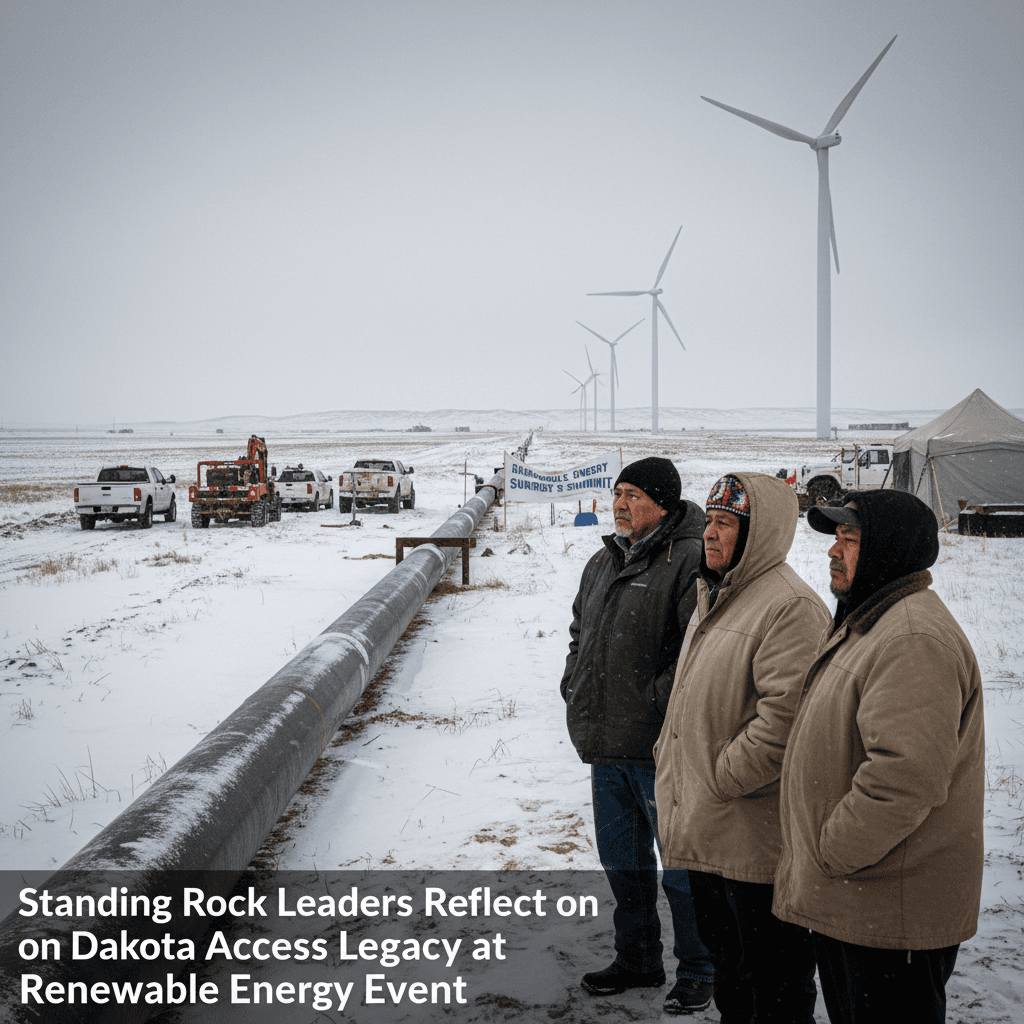
The protests over the Dakota Access Pipeline (DAPL) reached a critical flashpoint in early September 2016, an event marking its 10-year anniversary this week, according to a report from the North Dakota Monitor. The $3.7 billion crude oil pipeline project ignited a months-long conflict after the U.S. Army Corps of Engineers approved its route half a mile outside the Standing Rock Sioux Reservation. The decision framed a national debate pitting American energy infrastructure against tribal sovereignty and environmental concerns. While developers and state officials argued modern steel pipelines were safer for fossil-fuel transit than railroads or trucks, the Standing Rock Sioux Tribe and a growing movement of allies contended the project threatened water sources, sacred sites, and the environment. What began as a smaller protest swelled into a major encampment south of Bismarck, drawing thousands of Indigenous people and activists from around the world. High-profile supporters, including actors Shailene Woodley...

🔆Midday Wire·Sep 6
Pipeline & Infrastructure

Decade Since DAPL Protests Began, Standing Rock Flashpoint Remembered

This week marks ten years since protests over the Dakota Access Pipeline (DAPL) intensified into a major conflict at the Standing Rock Sioux Reservation in North Dakota. According to a report from the Williston Herald, the world's attention turned to the state in early September 2016 after the U.S. Army Corps of Engineers approved plans for the $3.7 billion crude oil pipeline half a mile outside the reservation. The decision sparked a months-long standoff that pitted American energy development against tribal sovereignty. A grassroots movement of Indigenous protesters and allies from around the world argued the project threatened water supplies, sacred tribal sites, and the environment. Developers and state officials, meanwhile, maintained that modern steel pipelines offered safer fossil-fuel transit than railroads or trucks. Thousands of people, including Native Americans and climate activists, flocked to the plains south of Bismarck. Their numbers grew to the point of threatening to overwhelm...

☀️Morning Wire·Sep 6
Pipeline & Infrastructure

Standing Rock Pipeline Protests Reached Critical Flashpoint 10 Years Ago

The protest movement against the Dakota Access Pipeline (DAPL) reached a major flashpoint in early September 2016, drawing thousands to the Standing Rock Sioux Reservation and igniting a national debate over energy and tribal rights. According to a report from the North Dakota Monitor via Bing News, the conflict intensified after the U.S. Army Corps of Engineers approved plans for the $3.7 billion crude oil pipeline to run half a mile outside the reservation. The project created a stark confrontation between American energy infrastructure and tribal sovereignty. Pipeline developers and state officials argued that modern steel pipelines offered safer fossil-fuel transit than railroads or trucks. Meanwhile, the Standing Rock Sioux Tribe, led by then-Chairman Dave Archambault II, and allies contended the pipeline threatened water sources, sacred sites, and the environment. What began as a smaller protest swelled into a major encampment on the plains south of Bismarck. Thousands of Indigenous...

🌅Afternoon Wire·Sep 5