Oil Falls on Iran Talk Hopes; White House Extends Jones Act Waiver
Global tensions ease slightly, offering potential relief for Bakken crude prices, while domestic shipping rules are relaxed through August to aid logistics.
Oil prices fell Friday on renewed, though fragile, hopes for US-Iran peace talks, according to Rigzone. West Texas Intermediate futures dropped 1.5% to settle above $94 a barrel after the White House said it was sending envoys to Pakistan with the intention of talking with Iranian officials. Despite the weekly decline, WTI remains up 13% for the week, its biggest jump since the war in the Middle East began in late February.
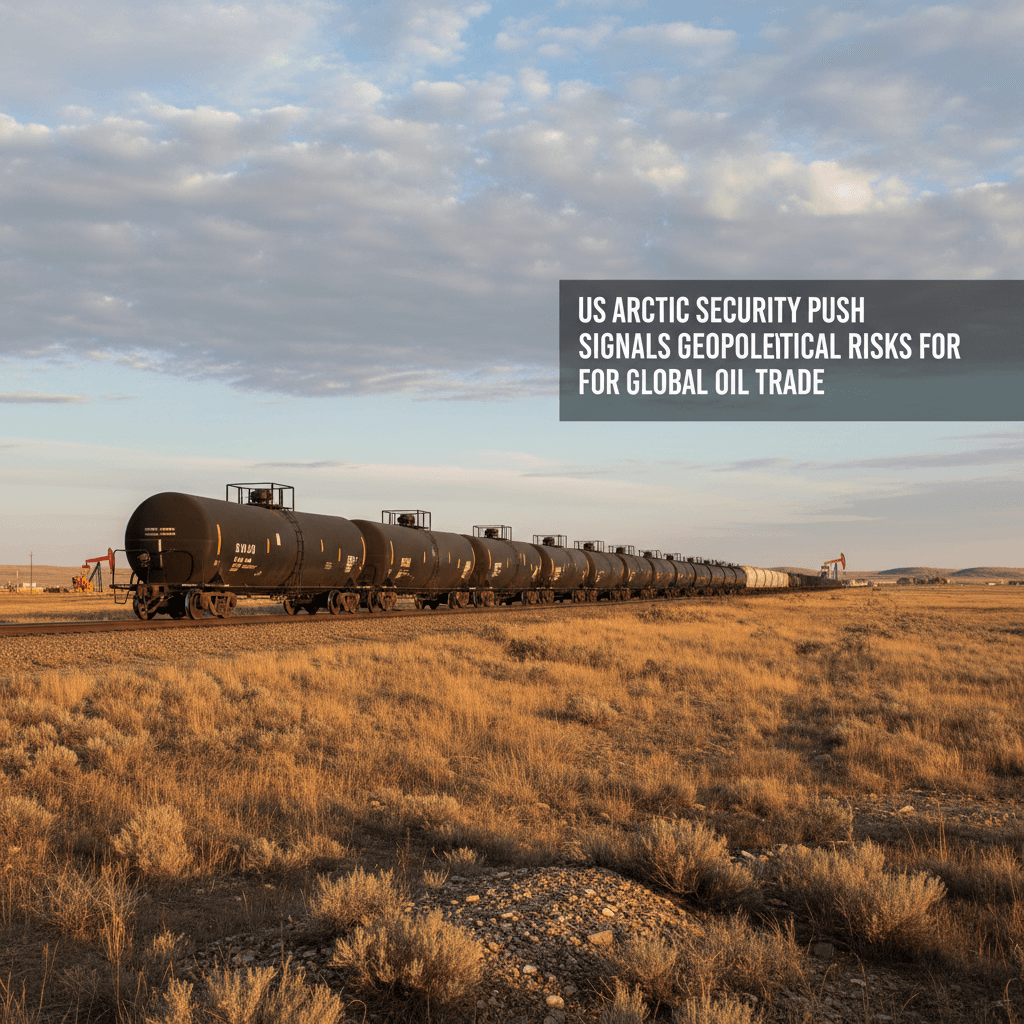
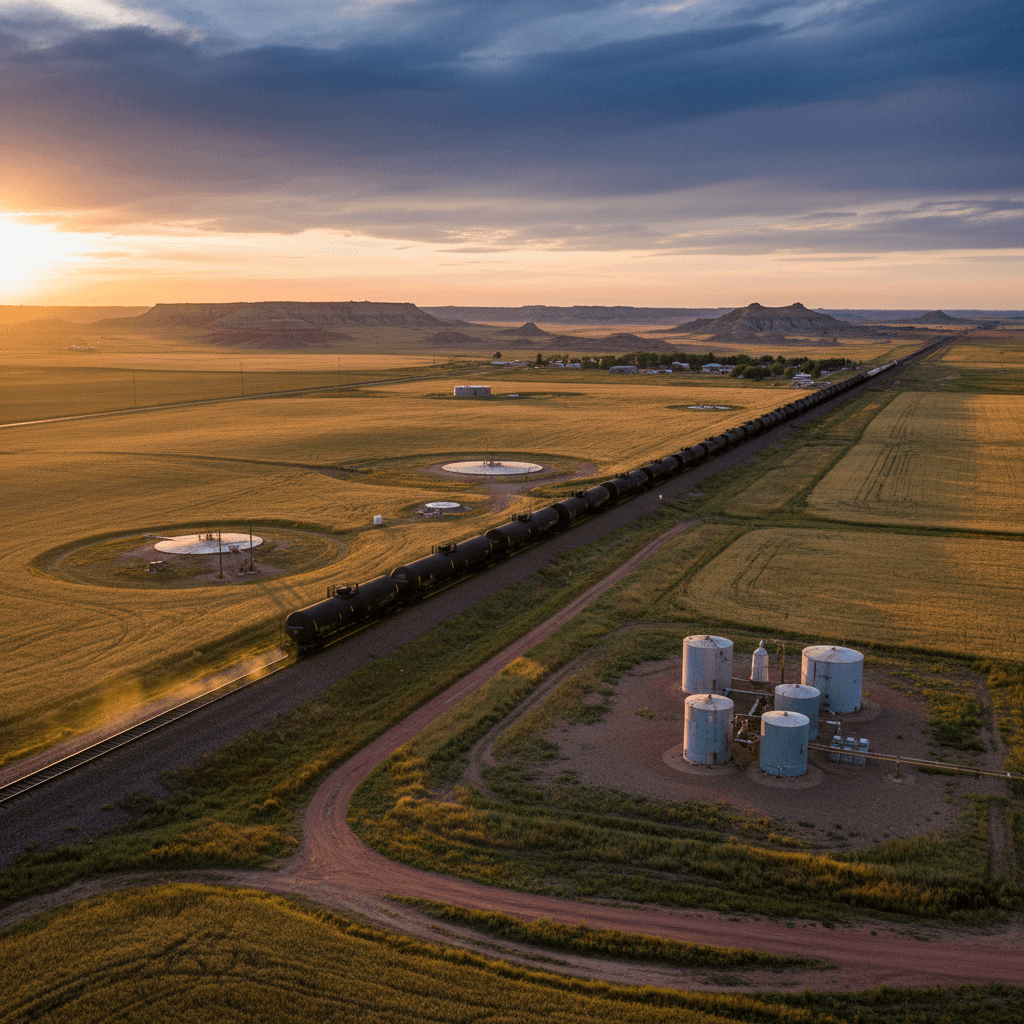
The potential for talks offers a glimmer of stability for Bakken producers, as the conflict has kept the vital Strait of Hormuz largely shut. Iran has been the only major oil exporter out of the Persian Gulf since the war started, after Tehran effectively closed the strait to other traffic. Goldman Sachs Group Inc. analysts said in an April 23 note that crude oil production in the Persian Gulf will take "a few months" to mostly restore, assuming a full reopening, with output curtailed by about 14.5 million barrels a day in April.
Simultaneously, the Trump administration has extended a key domestic shipping waiver to August, Rigzone reported. The 90-day extension of the Jones Act waiver enables foreign-flagged vessels to move commodities—including crude oil, refined products, and natural gas liquids—between U.S. ports through mid-August. The White House said the extension "provides both certainty and stability" and will help ensure vital energy products are maintained, a move that can aid Bakken crude logistics to coastal refineries.
Despite diplomatic signals, the U.S. naval blockade on Iranian shipping continues. Satellite imagery from Monday showed Iran continuing to load oil onto supertankers at Kharg Island, with 13 ships, mostly VLCCs, anchored nearby. The U.S. Navy has intercepted tankers and forced them to turn back, with a build-up of vessels seen off the Iranian port of Chabahar. Analysts note Iran could maintain production at about 3.5 million barrels a day for another two months using storage, even if exports are halted.
Market analysts suggest the situation is transitioning. "Recent developments suggest that traders are getting increasingly comfortable with the idea that the kinetic phase of the US-Iran conflict is ending, or has already ended, and that an economic war is becoming entrenched," said Thierry Wizman of Macquarie Group. The extended Jones Act waiver is one of several administration steps to blunt elevated fuel prices and address supply concerns stemming from the war.
Source
Rigzone (Iran Keeps Loading Oil Onto Tankers Even as USA Blocks Route, published April 24, 2026; Oil Falls on Renewed Iran Talk Hopes, published April 24, 2026; White House Extends Shipping Waiver to August, published April 24, 2026)