Oil Falls to $94 as Iran Talks Hinted; US Extends Shipping Waiver
Global tensions ease slightly but Hormuz remains shut, as White House action aids domestic logistics for Bakken operators.
Oil prices fell Friday on renewed, though fragile, hopes for US-Iran peace talks, according to Rigzone. West Texas Intermediate futures dropped 1.5% to settle above $94 a barrel. The decline came after the White House said it was sending envoys to Pakistan with the intention of talking with Iranian officials, though Tehran sounded pessimistic about the prospects.
Despite the daily drop, WTI futures are still up 13% for the week, Rigzone reported, highlighting market volatility as the Strait of Hormuz remains largely shut. The strait has been effectively closed by Iran to all other maritime traffic since the war began in late February, making Iran the only major oil exporter from the Persian Gulf.
The US naval blockade of Iranian shipping, a key sticking point, continues. Satellite imagery from Monday shows Iran continues to load millions of barrels onto supertankers at Kharg Island, with 13 ships anchored nearby, according to Rigzone. The US Navy has intercepted tankers and forced them to turn back, with a build-up of vessels seen off the port of Chabahar. Analysts note Iran could maintain its current production of about 3.5 million barrels a day for roughly two months using storage and filled tankers, even if exports are fully halted.
In a move directly impacting US domestic logistics, the Trump administration has extended a key shipping waiver by 90 days to mid-August. The waiver temporarily suspends Jones Act restrictions, making it easier to move oil, fuel, and fertilizer between US ports using foreign-flagged vessels, Rigzone reported. The White House stated the extension "provides both certainty and stability" and will help ensure vital energy products are maintained.
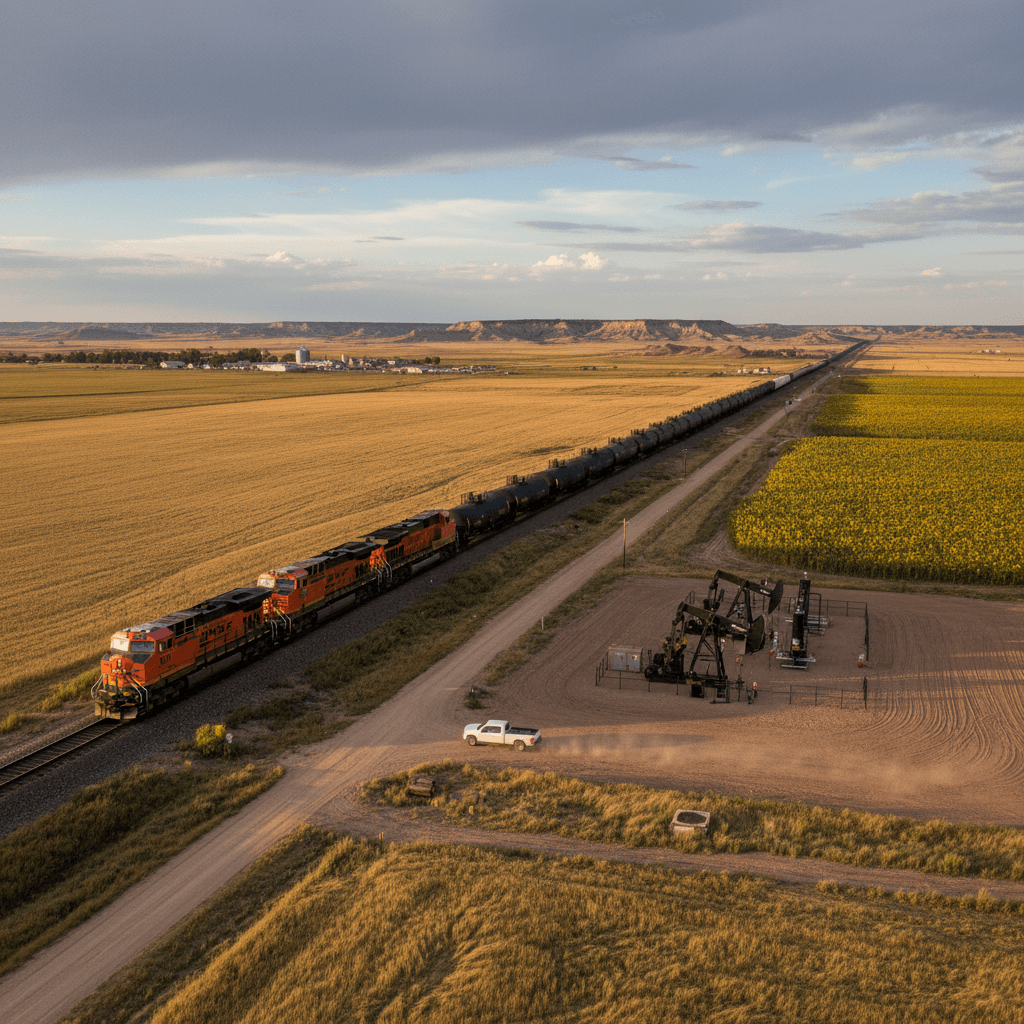
For Bakken operators, this regulatory relief aids in managing crude transportation and securing refined products amid global disruption. The waiver has already been used to ship crude oil, renewable diesel, and other commodities to states including California, Florida, and Pennsylvania.
The global supply picture remains severely constrained. Goldman Sachs analysts estimate Persian Gulf crude oil production is curtailed by about 14.5 million barrels a day in April, and a full reopening of Hormuz would still take "a few months" for flows to mostly restore, according to Rigzone.
Source
According to Rigzone reports published April 24, 2026.