Oil Prices Dip Below $100 as Demand Outlook Weakens, Hormuz Disruption Continues
IEA demand cut and stalled US-Iran talks pressure benchmarks, while global supply shifts could influence Bakken crude pricing and competition.
Oil prices have dipped below $100 per barrel as weaker demand forecasts and a pause in U.S.-Iran tensions shift market focus, according to OilPrice.com. The International Energy Agency (IEA) drastically slashed its 2026 global demand growth outlook, contributing to the price pullback.
The geopolitical standoff in the Middle East continues to disrupt flows through the critical Strait of Hormuz. Since the U.S. blockade on vessels calling at Iranian ports began, tanker traffic through the strait has plummeted to 8-10 transits per day in April, down from a pre-war average of 135 per day, OilPrice.com reported. This disruption has pushed freight rates higher, with Gulf-China VLCC charter rates rebounding above $80 per tonne.
A second round of U.S.-Iranian talks is expected this weekend in Islamabad after an initial round on April 11-12 yielded no results. The market direction for crude oil futures will likely be shaped by these negotiations and whether the naval blockade escalates, the source indicated.
The supply shock is forcing major Asian importers to seek alternatives. The Philippines, which sourced 98% of its oil from the Middle East before the conflict, has asked the United States to extend a waiver on purchases of Russian oil that expired on April 11. "We wanted to open the Russian window because we want more options. We need diversification," Philippines Energy Secretary Sharon Garin said Tuesday, according to OilPrice.com.
The country has imported its first cargo of Russia's ESPO crude in six years and is also looking to buy oil from South America, the United States, and Canada. This follows a pattern set by India, whose imports of Russian crude jumped 90% in March after the U.S. granted a similar waiver.
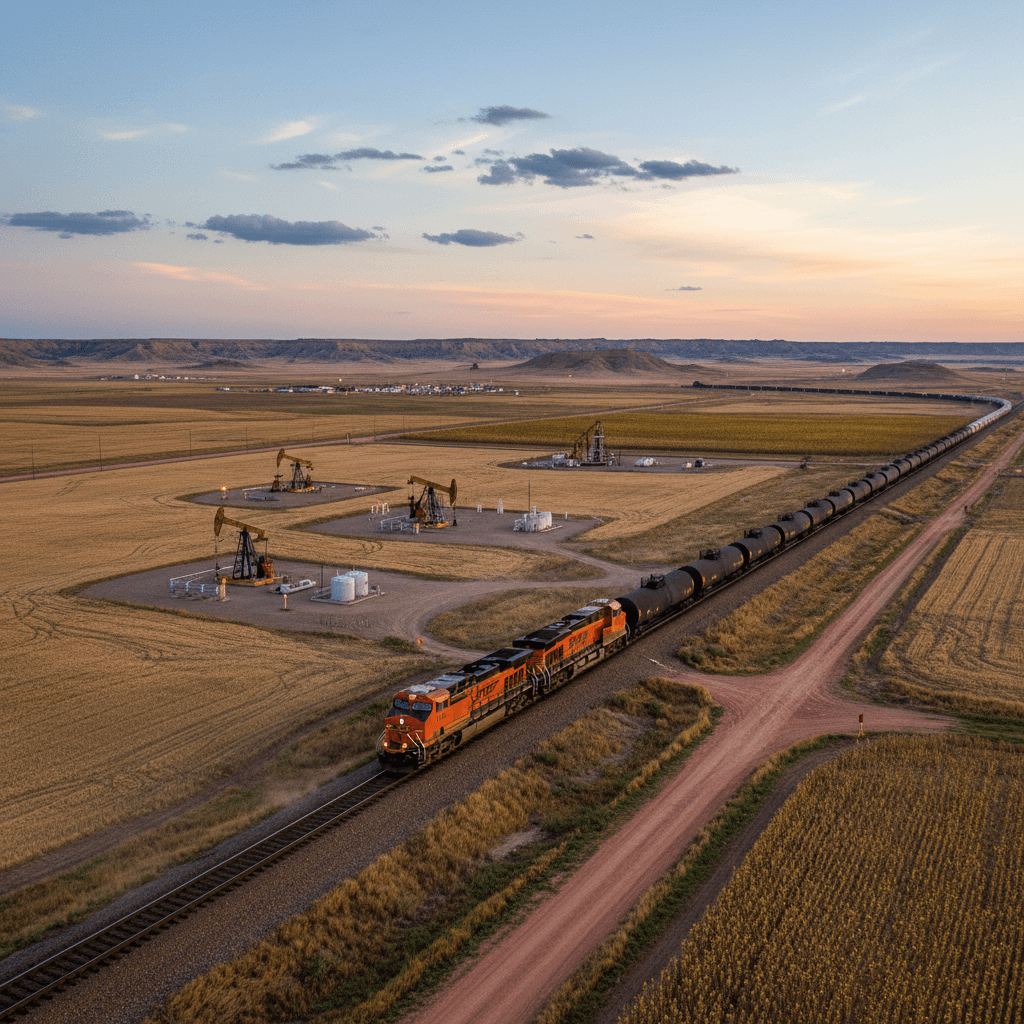
For Bakken operators and North Dakota royalty owners, these global dynamics present a mixed outlook. The dip in benchmark prices below $100, driven by demand concerns, could pressure the price received for Bakken crude at the wellhead. However, sustained disruption in the Strait of Hormuz and the search for non-Middle Eastern supply by nations like the Philippines could underpin global prices and enhance the competitiveness of U.S. exports, including those from the Williston Basin.
The ongoing high freight rates for tankers leaving the Persian Gulf may also affect the global cost structure for moving crude, influencing the relative attractiveness of different supply sources. The market remains in a holding pattern, awaiting the outcome of the upcoming diplomatic talks which will determine the next major price move.
Source
OilPrice.com reports from April 14, 2026.

