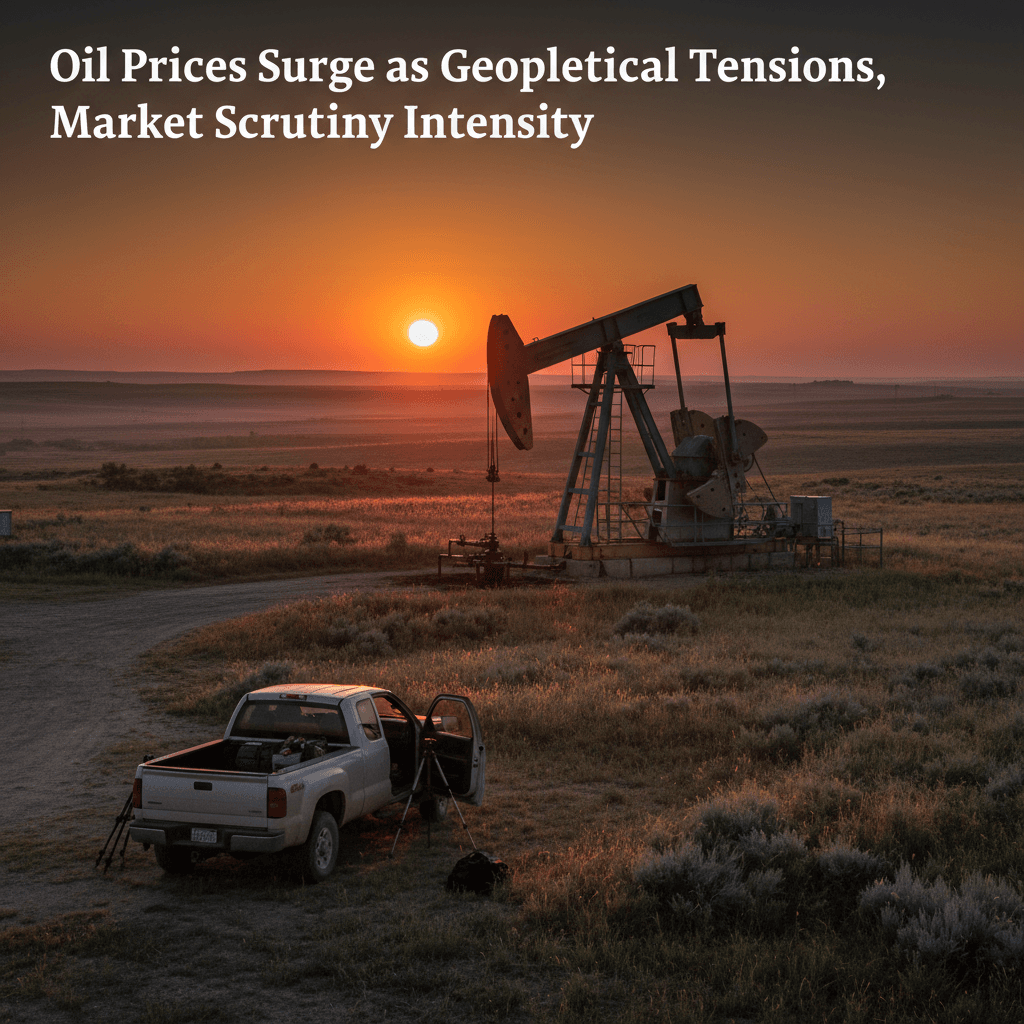
Oil Prices Drop Sharply Despite Global Supply Disruptions
WTI falls below $90 as diplomatic hopes and rising U.S. stocks counter fears from Strait of Hormuz and Black Sea conflicts.
Crude oil prices fell sharply on Friday, with West Texas Intermediate closing at $89.31 per barrel, a drop of $2.88 (-3.12%), according to live price data. Brent crude fell $3.91 to settle at $96.78. The pullback occurred despite significant ongoing global supply threats that continue to pressure agricultural and fertilizer markets.
The decline followed reports of potential diplomatic progress between the U.S. and Iran, which reduced immediate fears of a protracted supply disruption from the Middle East, according to Rigzone. Additionally, the U.S. Energy Information Administration reported a weekly build in commercial crude inventories to 411.7 million barrels, easing some tight supply concerns.
However, the underlying geopolitical risks remain severe. According to OilPrice.com, the closure of the Strait of Hormuz earlier this year has effectively blockaded about 3.9 million tonnes of urea exports, constituting roughly 30% of the region's annual fertilizer exports. This "input crisis" is contributing to higher crop prices and threatens a broader global food crisis, with a new U.N. report warning it could push an additional 9 to 18 million people into hunger.
Further supply chain pressure comes from renewed conflict affecting Ukrainian ports in the Black Sea, disrupting staple grain exports that are already far below 2020 levels, OilPrice.com reported. These combined energy and agricultural shocks have increased the global average cost of a healthy diet by nearly 25% since 2021.
For Bakken operators, the price drop translates to a direct hit to revenue. With the Bakken crude differential at $-3.42 versus WTI, the effective local price is approximately $85.89 per barrel. While still at a historically robust level, the sudden retreat from recent highs introduces volatility and may influence near-term drilling and completion budgets. The price decline, driven by shifting geopolitical sentiment and inventory data, highlights the fragile balance between physical supply disruptions and financial market perceptions.
The market remains sensitive to any news regarding the Strait of Hormuz, a critical chokepoint for global oil flows. While prices pulled back on July 24, prolonged closure of the strait and continued conflict in the Black Sea region are persistent upside risks that could quickly reverse price trends, underscoring the unstable environment for North Dakota producers.
Source
Live Price Data, OilPrice.com, Rigzone