Oil Prices Fall on Trump Peace Signal; ND Gets $27.8M Protest Settlement
Federal payment to North Dakota finalized as global oil markets react to geopolitical developments and tech power demand raises cost concerns.
Oil prices fell sharply on Thursday after former President Donald Trump signaled progress toward a potential peace deal with Iran, according to Rigzone. The drop pushed crude to its lowest levels since April.
In North Dakota, a financial matter from the last decade was closed. The federal government has reached a final settlement to pay the state more than $27.8 million for law enforcement and other costs incurred during the 2016-17 protests, Bing News reported. The state had sought reimbursement for years.
Globally, a surge in energy demand from Big Tech is drawing scrutiny for its potential impact on energy bills, including natural gas prices. As urged by President Donald Trump, tech companies are building private power plants for new data center campuses, OilPrice.com reported. Experts warn this trend may increase costs for other energy consumers.
The artificial intelligence boom is driving a massive expansion in data centers. A June report cited by OilPrice.com found that if all data centers permitted through 2025 come online, they could use as much electricity annually as the entire country of Mexico. Until now, this demand has strained local grids, causing energy prices for neighboring consumers to "skyrocket," according to Maryland People's Counsel David Lapp.
In response, lawmakers and connection delays are pushing tech "hyperscalers" to develop their own power sources, OilPrice.com reported. While some use renewables, most new data center campuses are gas-powered. Because natural gas is a market-traded commodity, data centers that consume large volumes will compete with other customers, potentially driving up prices.
"Natural gas is a market-traded commodity, meaning data centers that gobble up lots of natural gas will naturally compete with other gas customers, increasing prices," a recent UtilityDive report explained, according to OilPrice.com. This could lead to higher heating and electricity bills for ratepayers.
The shift also risks creating a "shadow grid" of decentralized power plants not subject to traditional utility regulations, the report noted.
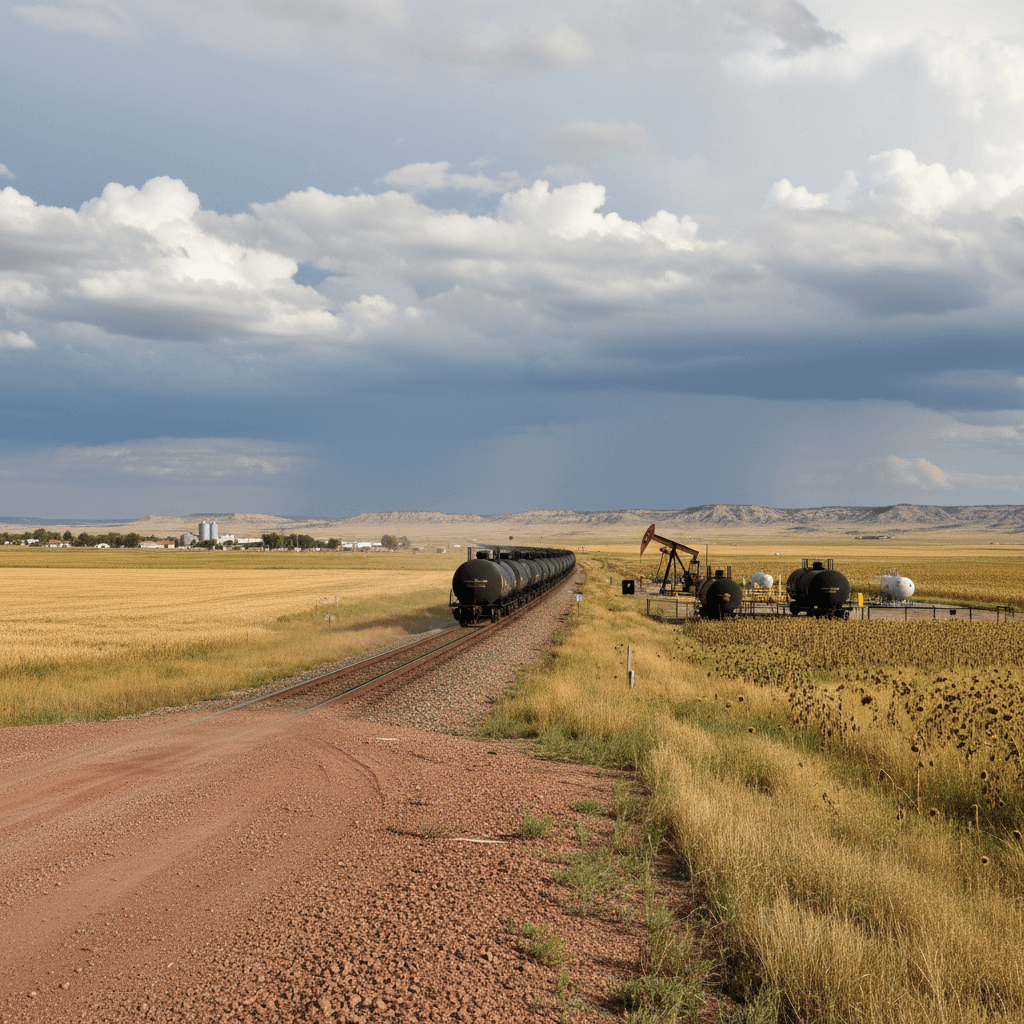
For Bakken operators and royalty owners, these developments present a mixed picture. Lower crude prices directly impact wellhead economics and state tax revenues. However, increased competition for natural gas from data center power plants could provide a firmer price floor for associated gas produced from North Dakota's oil wells, a perennial challenge in the region.
The $27.8 million settlement provides the state with recovered funds, though it relates to costs incurred nearly a decade ago during a period of intense pipeline protest activity.
Source
OilPrice.com, Bing News, Rigzone

