Oil Prices Fall Sharply as Geopolitical Premium Eases
Brent crude retreats from $100 threshold after diplomatic reports, while broader supply risks from Hormuz closure pressure fertilizer and food markets.
Front-month crude oil futures fell sharply in Friday trading, with both major benchmarks shedding over three percent. West Texas Intermediate (WTI) settled at $89.31 per barrel, down $2.88, while Brent crude closed at $96.78, a drop of $3.91, according to live price data.
The decline pulled Brent back from the psychologically significant $100-per-barrel threshold. Rigzone reported the pullback was driven by reduced immediate supply concerns following reports on U.S.-Iran diplomacy and confirmation that oil flows through the Red Sea have continued.
Adding downward pressure on prices was a reported build in U.S. commercial crude inventories. The U.S. Energy Information Administration's weekly report showed stocks, excluding the Strategic Petroleum Reserve, stood at 411.7 million barrels as of July 17, according to Rigzone.
Despite the day's drop, broader market volatility remains elevated due to prolonged supply chain disruptions stemming from the closure of the Strait of Hormuz earlier this year. According to a report from OilPrice.com, the closure has blockaded an estimated 3.9 million tonnes of urea exports from the Middle East, representing about 30 percent of the region's annual fertilizer exports. Synthetic fertilizer is a petroleum product, and the "input crisis" is contributing to a potential global food crisis, with the average cost of a healthy diet rising nearly 25 percent globally since 2021.
The situation is compounded by renewed conflict affecting Ukrainian grain exports from the Black Sea. OilPrice.com notes that a new United Nations report warns rising energy and fertilizer prices, driven by global conflicts, could result in an additional 9 to 18 million people facing hunger.
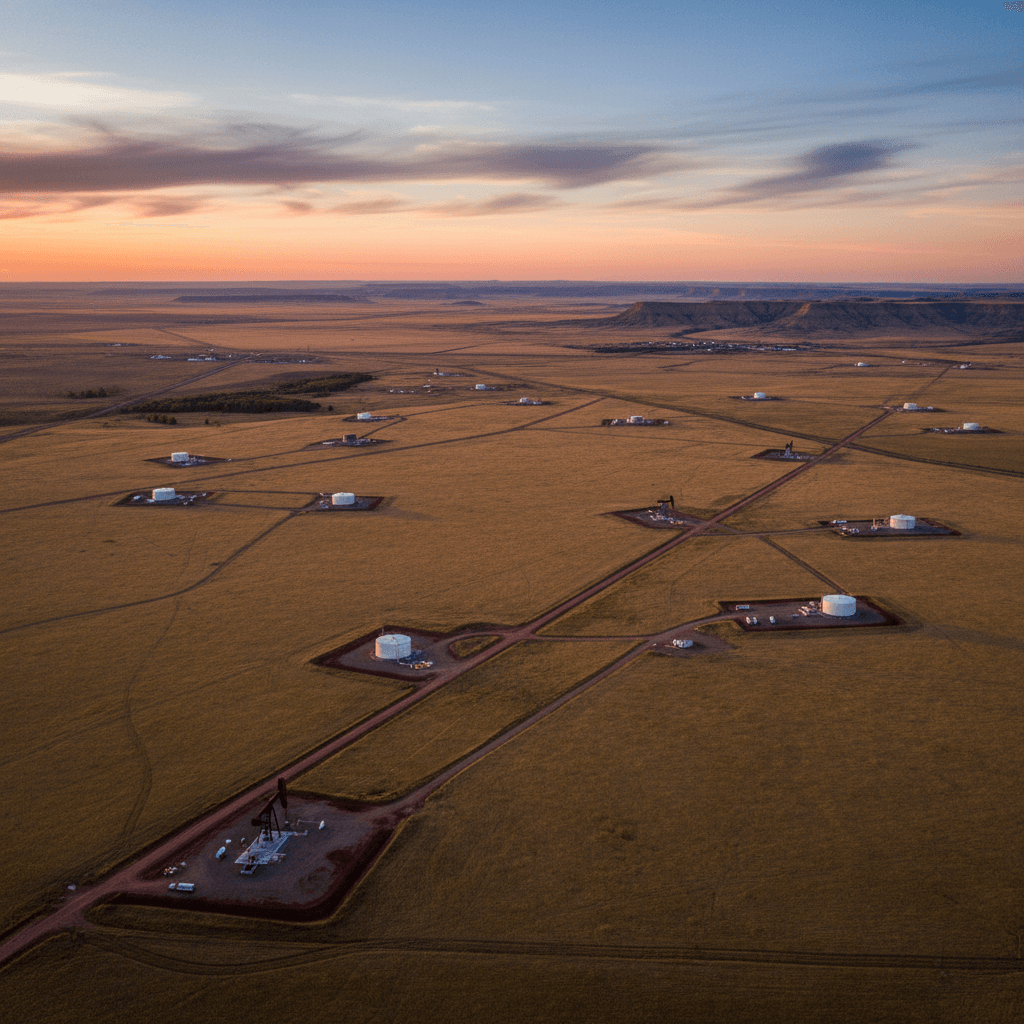
For Bakken operators, the price drop translates directly to lower wellhead revenues. The Bakken crude differential was quoted at $-3.42 per barrel versus WTI, meaning Bakken crude would price at approximately $85.89 based on the day's WTI settlement. The high global price environment, even with the recent dip, continues to support drilling economics in the play, but sustained volatility introduces budgeting and hedging challenges.
The interconnected crisis highlighted by the OilPrice.com report—where geopolitical conflict disrupts energy flows, which in turn disrupts fertilizer production and global food supply—underscores the fragile state of global commodity markets. While diplomatic headlines can cause swift price corrections, the underlying physical supply constraints, particularly for critical petroleum-derived products like fertilizer, present a longer-term risk factor for energy-led inflation.
Source
Live Price Data, OilPrice.com (2026-07-24), Rigzone (2026-07-24)