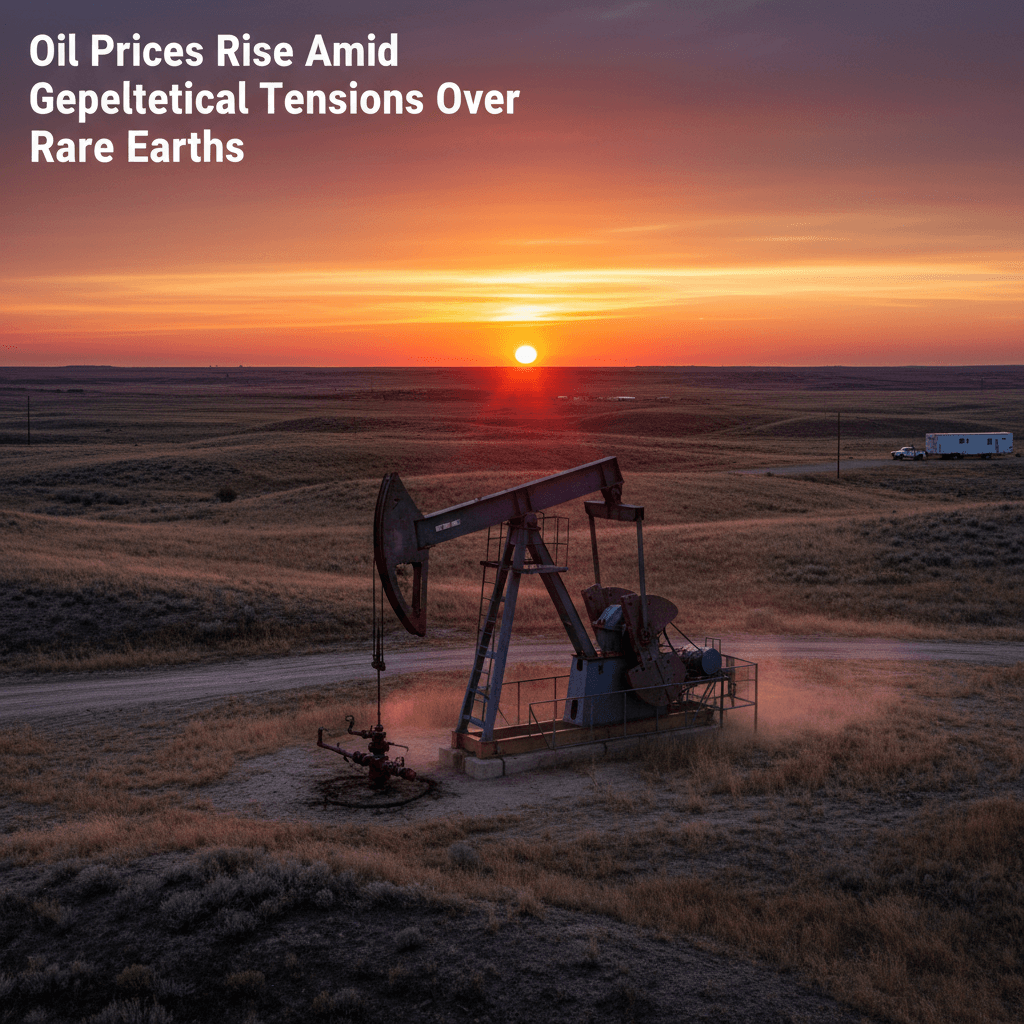
Oil Prices Rise Amid Geopolitical Tensions Over Rare Earths
WTI gains 0.5% as Trump-Xi talks loom, with supply concerns fueled by a critical yttrium shortage impacting global energy sectors.
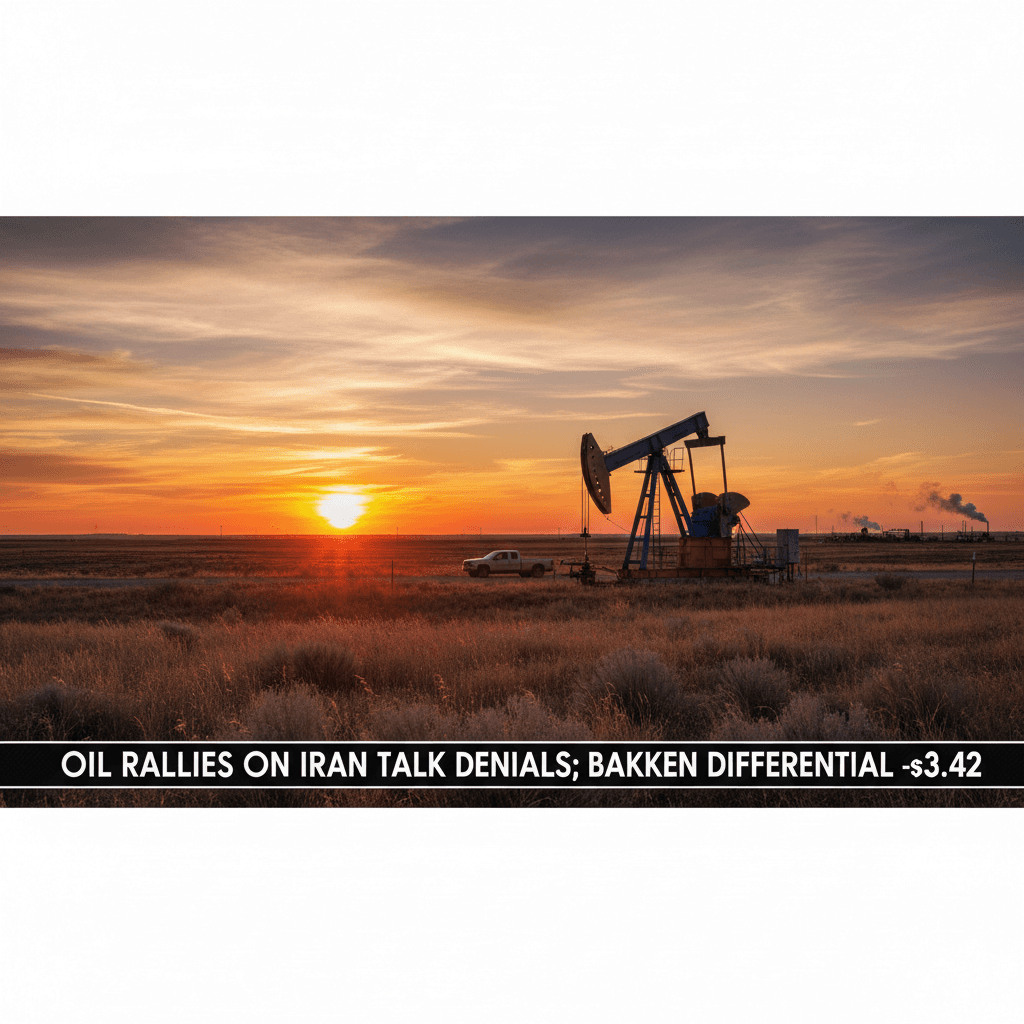
Oil prices posted moderate gains Wednesday, with geopolitical tensions over critical mineral supplies providing underlying support. West Texas Intermediate (WTI) crude settled at $86.47 per barrel, up 43 cents or 0.5%. The international benchmark Brent crude rose more sharply, adding $1.15 to reach $92.64, a 1.26% gain. North Dakota Bakken crude traded at a discount of $3.42 per barrel below WTI. Natural gas prices edged lower, down 5 cents to $3.25.
The price movement comes ahead of a high-stakes meeting between former U.S. President Donald Trump and China's Xi Jinping on the sidelines of the APEC summit in Shenzhen, scheduled for November 18-19. According to a report from OilPrice.com, a key topic will be China's restrictive policies on rare earth elements, which are creating severe supply chain disruptions with implications for the energy sector.
A critical shortage of the metal yttrium is emblematic of the tensions. Yttrium is used to protect turbine blades in gas-fired power plants and jet engines. Data cited by OilPrice.com shows a massive price dislocation, with yttrium oxide priced at about $1.15 million a ton in Europe compared to just $9,144 in China—a 125-fold gap. China's exports of the material are running at about two-fifths of their 2023-2024 average due to licensing rules imposed in April 2025.
Japan has been hit particularly hard, receiving only 4,000 kilograms of yttrium oxide from China in September compared to 51,000 kilograms a year earlier, raising concerns about months of remaining supply. The International Energy Agency warned in July that full implementation of China's expanded controls could put about $6.5 trillion a year of downstream production outside China at risk.
For Bakken operators, the sustained geopolitical friction supports a floor under oil prices, which remain above $86 WTI. However, the rare earths crisis highlights broader supply chain vulnerabilities that could increase costs for advanced equipment and complicate long-term energy infrastructure planning. The widening Brent-WTI spread also reflects global supply concerns that outpace those in the U.S. domestic market.
Relief from non-Chinese sources is slow to materialize. Lynas Rare Earths is not due to begin yttrium output at its Malaysian plant until 2028, and USA Rare Earth only recently delivered its first yttrium oxide samples from a Colorado demonstration plant for customer testing. The opaque nature of global stockpiles adds to market uncertainty, with one analyst noting the thin market can lead to extreme price volatility.
Source
Live price data; OilPrice.com report "Yttrium's 125-Fold Price Gap Looms Over Trump-Xi Talks in Shenzhen" published November 11, 2026.