Oil Prices Rise Amid Middle East Tensions; Trump Admin Withdraws Grid Plans
Geopolitical risk supports crude as domestic energy infrastructure planning sees a shift.
Oil prices advanced Monday as persistent geopolitical tensions in the Middle East elevated market risk, according to Rigzone. The move higher comes as prospects for regional peace suffered a fresh setback, the news service separately reported.
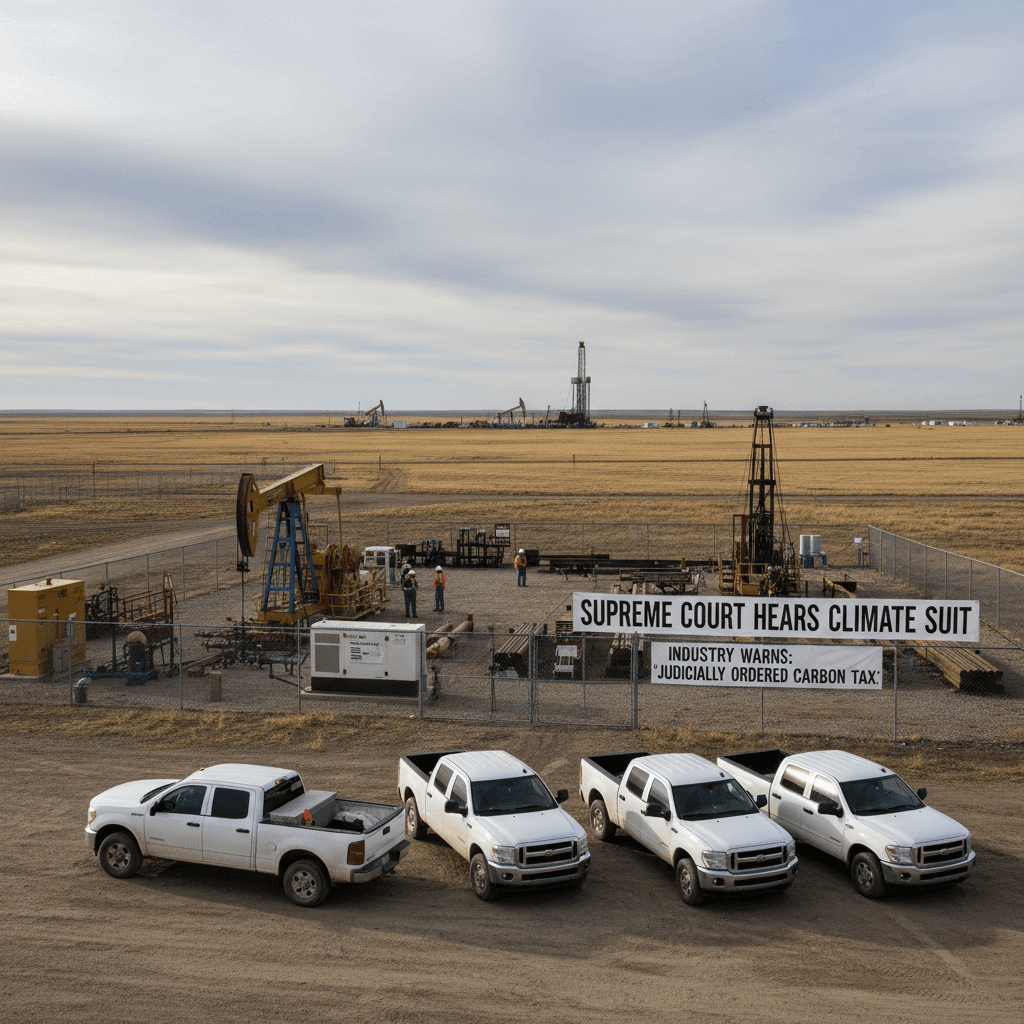
For Bakken operators, any sustained increase in global crude benchmarks can improve the economics of drilling in North Dakota's premier shale play. While Bakken crude typically trades at a discount to West Texas Intermediate, broader price strength provides a more favorable revenue environment for producers and royalty owners.
In domestic policy news, the Trump administration has withdrawn three proposed major electricity transmission corridor projects, Rigzone reported. The canceled corridors are the Lake Erie-Canada Corridor, the Southwestern Grid Connector Corridor, and the Tribal Energy Access Corridor.
The withdrawal of these grid planning efforts could have long-term implications for energy infrastructure development, including projects that might support oil field operations or future energy integration. The specific impact on the Williston Basin is not detailed in the announcement, but such corridors often play a role in regional energy reliability and the movement of power for industrial use.
The dual developments highlight the Bakken's connection to global commodity prices and federal energy policy. Market gains driven by overseas instability can provide immediate, albeit volatile, price support for local production. Meanwhile, shifts in federal infrastructure planning can alter the landscape for long-term investments and operational costs in the region.
Source
According to Rigzone reports published August 17, 2026.