Oil Prices Rise Amid US-Iran Tensions, Impacting Bakken Economics
Geopolitical uncertainty and regulatory developments create a mixed outlook for North Dakota producers.
Oil prices rose last week as the United States threatened new economic pressure on Iran, according to a report from Rigzone. The uncertainty surrounding the Strait of Hormuz, a critical global oil transit chokepoint, contributed to the price movement.
For Bakken Shale operators, higher crude prices directly improve cash flow and the economic viability of drilling new wells. Price increases can accelerate plans to bring drilled but uncompleted wells (DUCs) online and support sustained production levels in the Williston Basin. However, price volatility driven by geopolitical events remains a persistent challenge for budgeting and long-term planning.
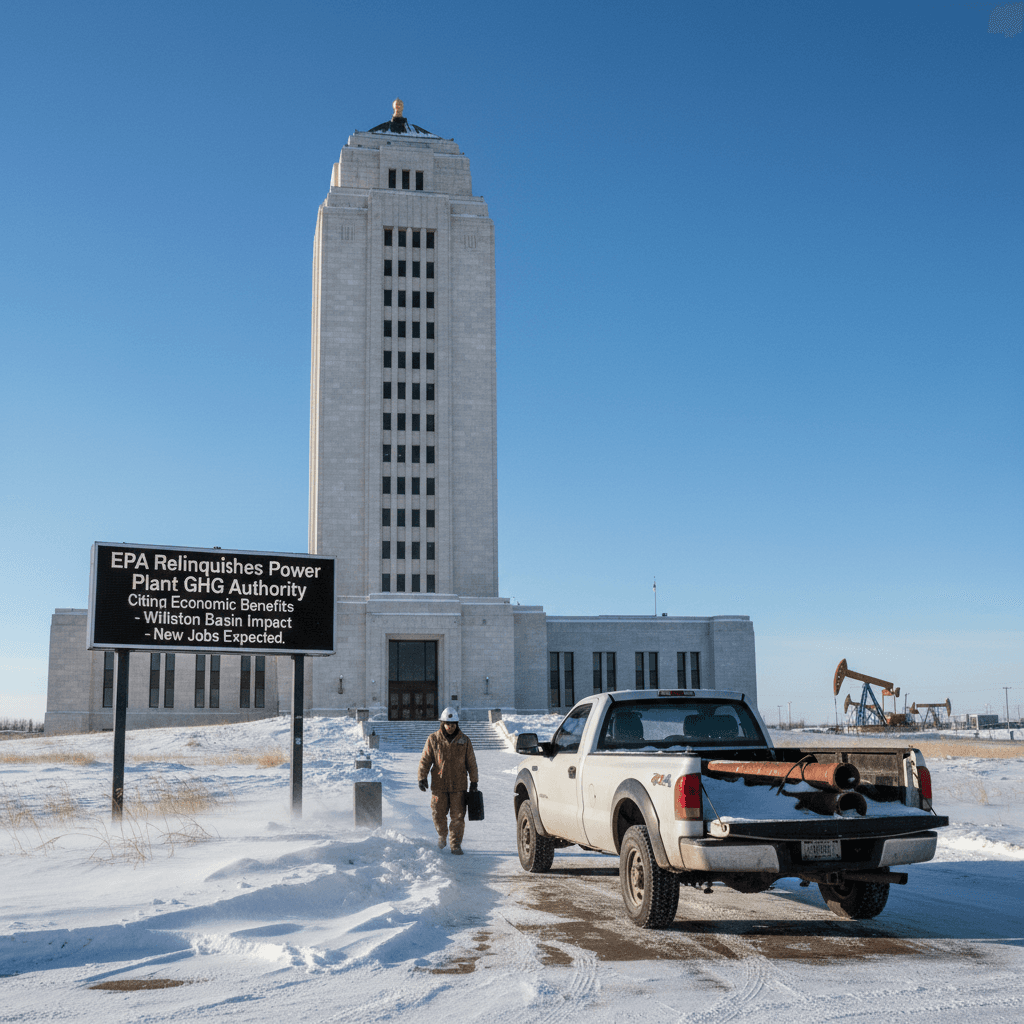
The broader regulatory environment continues to evolve, with implications for the industry's operational framework. While the specific source did not detail domestic regulatory changes, such developments typically influence permitting timelines, environmental compliance costs, and leasing opportunities on federal and state lands within North Dakota.
Market reactions to international events like US-Iran tensions underscore the Bakken's connection to global oil dynamics. Despite being an inland play, North Dakota's production is priced against international benchmarks, making local operators susceptible to supply disruptions halfway across the world. Stability in the Persian Gulf region is a key factor for maintaining favorable price conditions for Bakken crude.
Operators and royalty owners will be monitoring both the geopolitical landscape and any forthcoming regulatory guidance. The combined effect of these factors will influence drilling programs and investment decisions in the state's primary oil-producing region for the remainder of the year.
Source
Rigzone