Oil Prices Rise on Geopolitical Tensions, Egypt Eyes LNG Savings
Global supply concerns boost markets as Bakken operators watch for impacts on local crude pricing and long-term gas demand.
Oil prices climbed this week as delayed diplomatic talks and regional tensions renewed concerns over global supply security, according to market reports. Negotiations between the U.S. and Iran over a permanent peace deal were delayed after fighting intensified in southern Lebanon, Rigzone reported. The subsequent delay in U.S.-Iran talks contributed to a rise in crude prices.
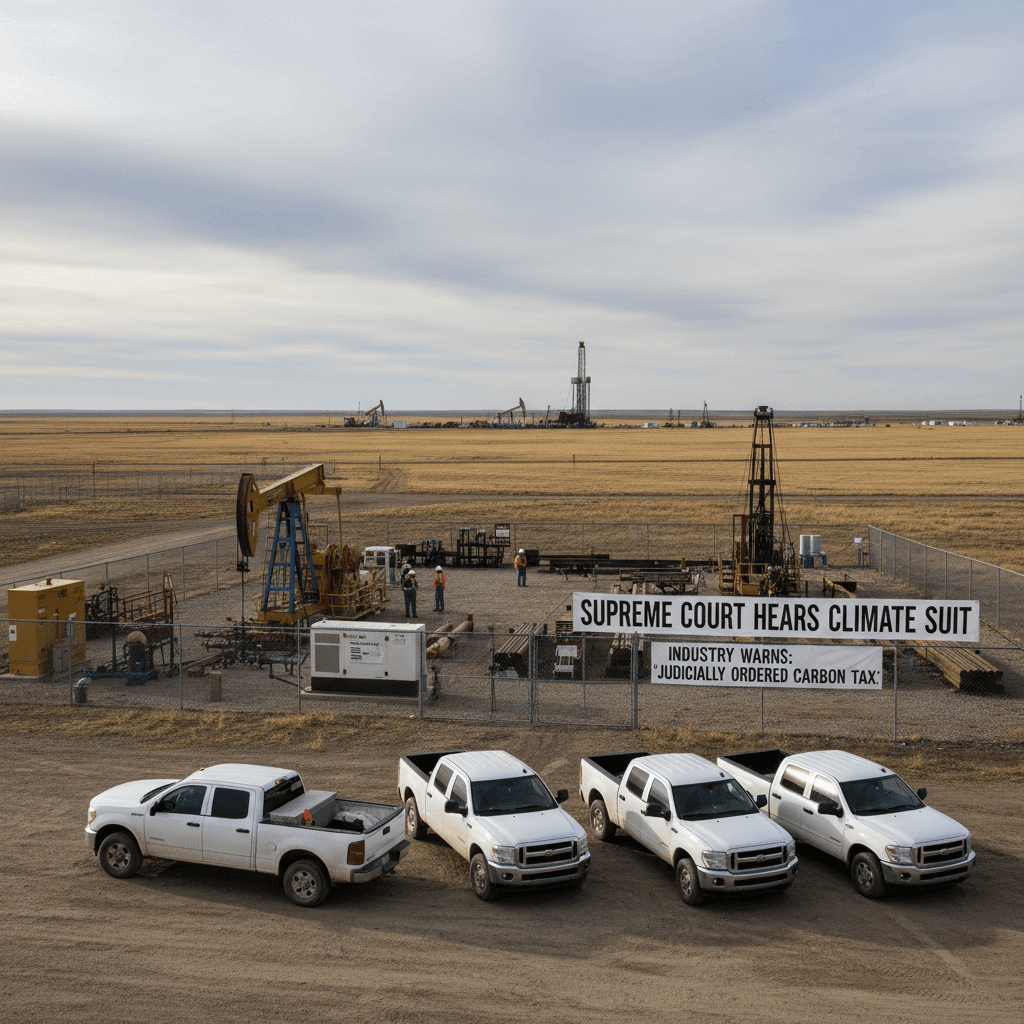
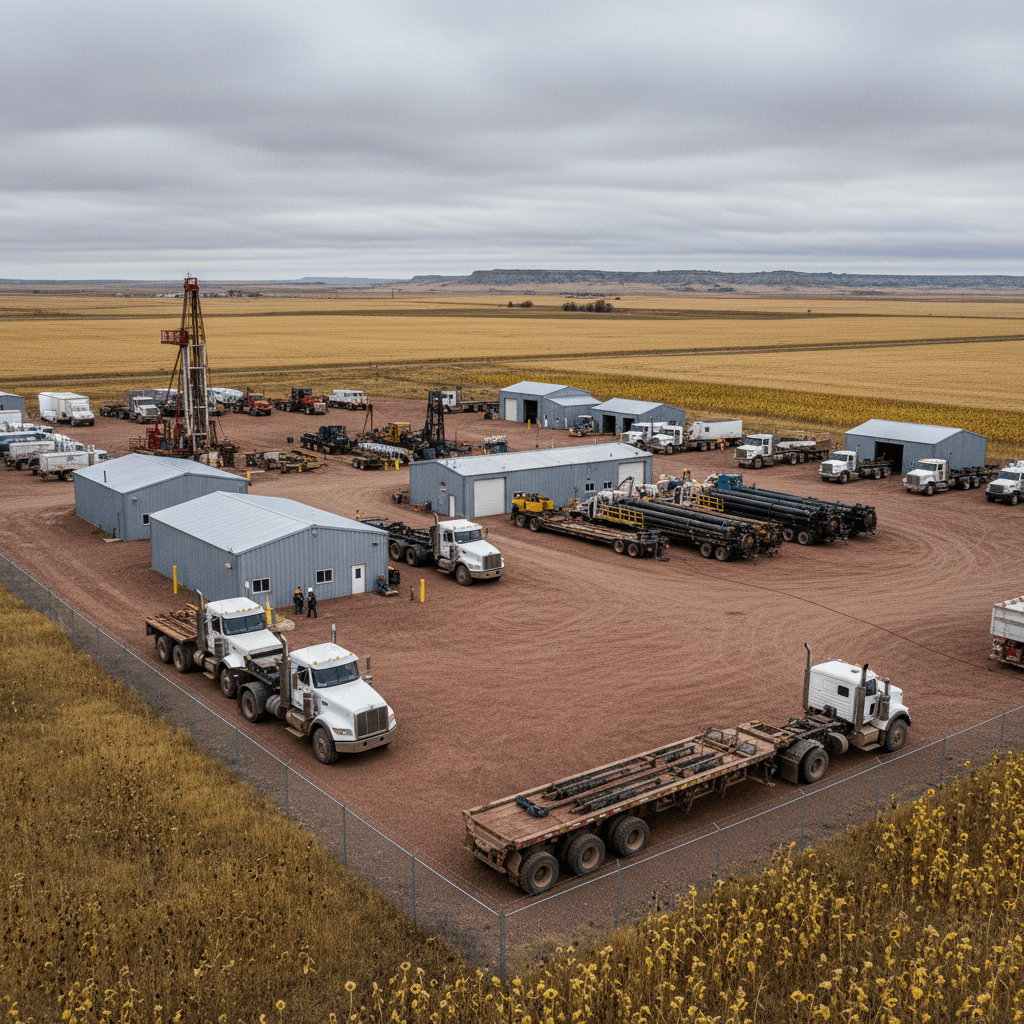
For Bakken operators, higher global benchmark prices can strengthen the economics for drilling in the play, improving the netback for crude shipped to coastal refineries. However, the region's light sweet crude often trades at a differential to benchmarks like Brent and WTI, meaning local pricing depends on pipeline and rail logistics to access these stronger markets.
In a separate development highlighting the global energy transition, Norwegian company Scatec stated its Obelisk solar and battery storage project in Egypt could save the country up to $400 million annually in liquefied natural gas imports, according to Rigzone. While focused on Egypt, such projects underscore a long-term trend of large-scale renewable energy competing with gas-fired power generation.
This has indirect implications for the Bakken, a major gas-producing region alongside its oil output. Long-term global demand growth for LNG, a key outlet for natural gas, could face pressure from alternative energy sources, potentially affecting the value of associated gas produced from North Dakota's oil wells. For now, Bakken gas primarily serves the domestic market via pipelines like the Northern Border.
The immediate price support from geopolitical events may benefit oil-directed drilling, while the long-term energy mix evolution remains a factor for integrated operators and midstream companies in the Williston Basin.
Source
According to reports from Rigzone on June 19 and 20, 2026.